Blog & News

Blog & News

Insights That Drive Industrial Excellence

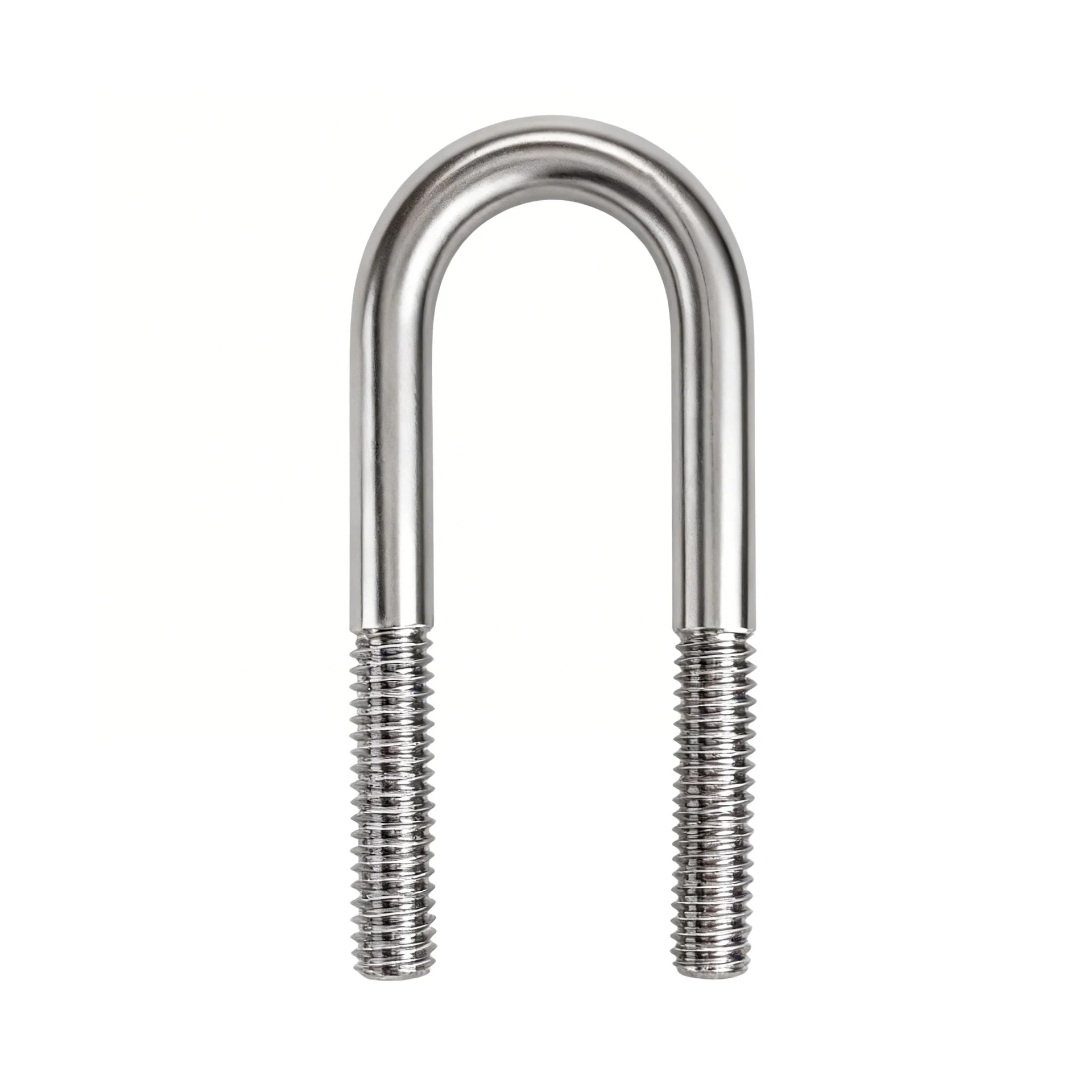
Which U-Bolt Measurements Must Buyers Provide Before a Quote?

For an M10–M24 U-bolt RFQ, buyers should send a dimensioned drawing that defines thread diameter, inside width, leg or overall length, bend geometry, thread length, application diameter, material or grade requirement, surface finish, matching nuts/washers, quantity, and packing needs. Nominal thread size alone is not enough because different measurement datums can produce U-bolts that look […]
Read More »

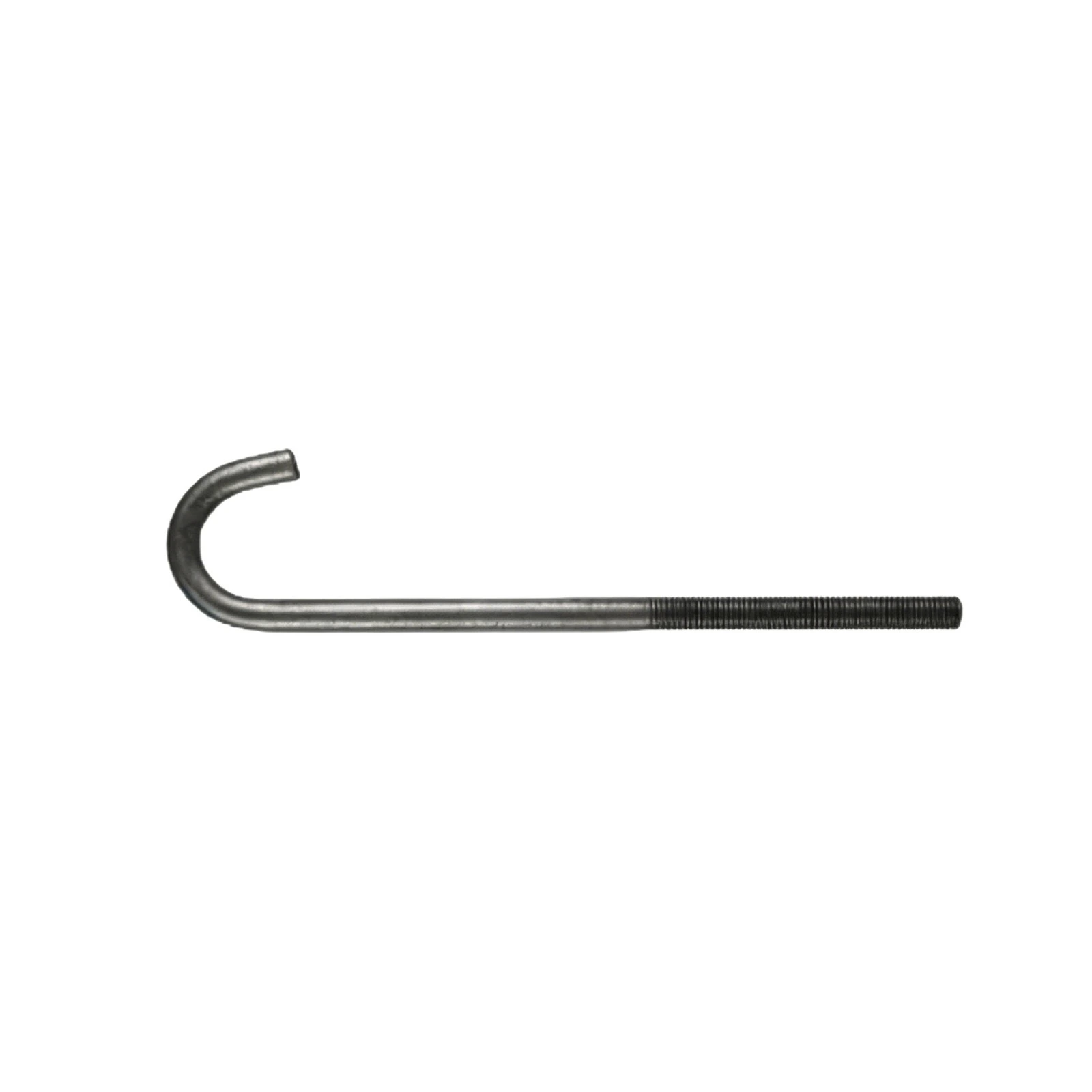
What Must Buyers Verify Before Ordering L-Shaped Anchor Bolts to an Older Standard?

When ordering L-shaped anchor bolts against an older standard, buyers should verify the standard’s current status, confirm the specification approved for the project, and reconcile the drawing, dimensions, material and foundation interface before releasing the purchase order. A legacy standard number on a product page or old drawing is not, by itself, sufficient evidence that […]

Read More »

Hex Head Self-Drilling Screws with Cup Washers: Choosing Drill Point and Length

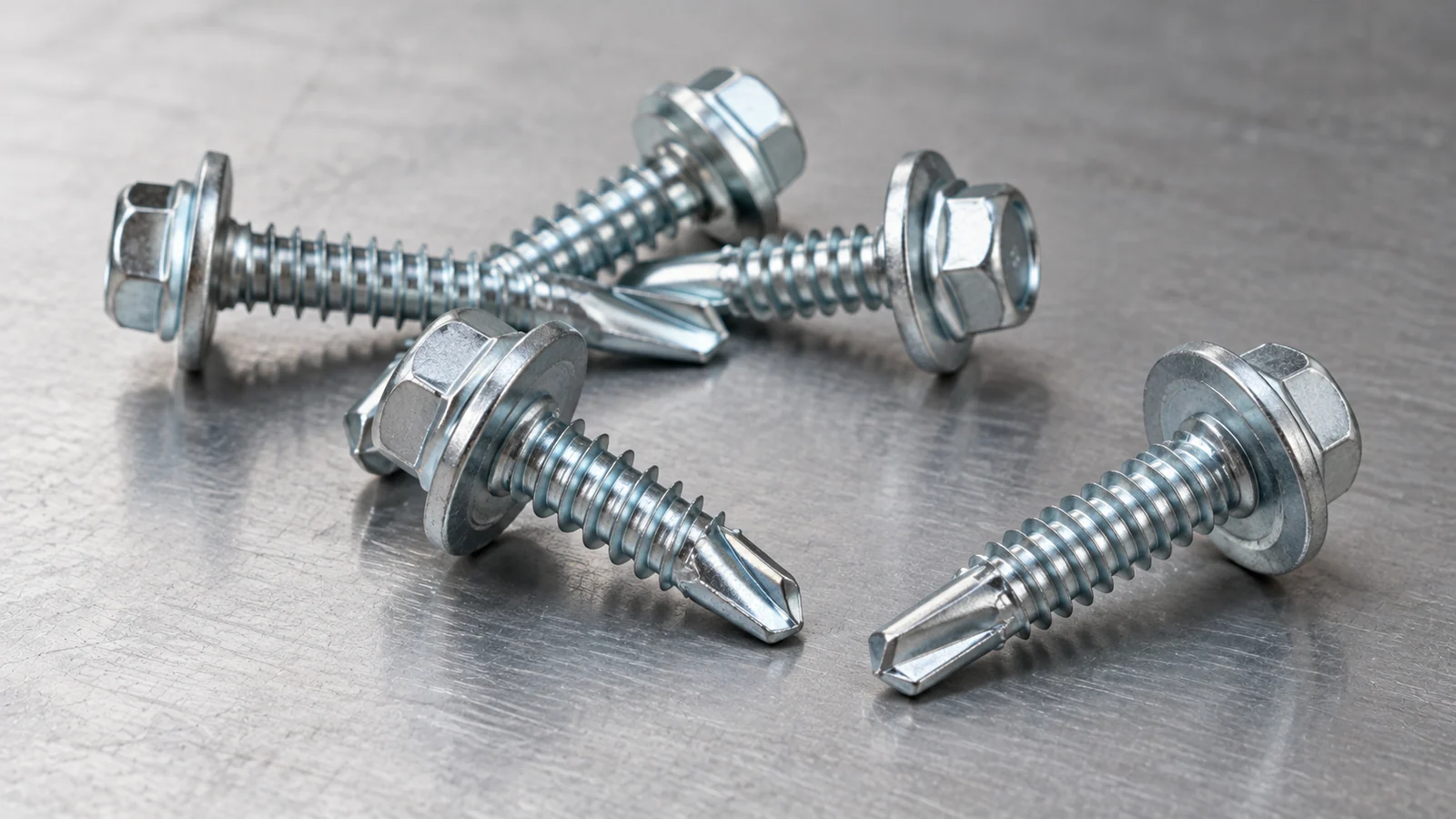
Choosing a hex head self-drilling screw with a cup washer requires more than selecting ST5.5 or ST6.3 and a nominal length. The drilling point must suit the steel it penetrates; the threaded section must engage the intended supporting material; and the head-and-washer assembly must seat correctly on the outer panel. A screw’s drilling capacity is […]

Read More »

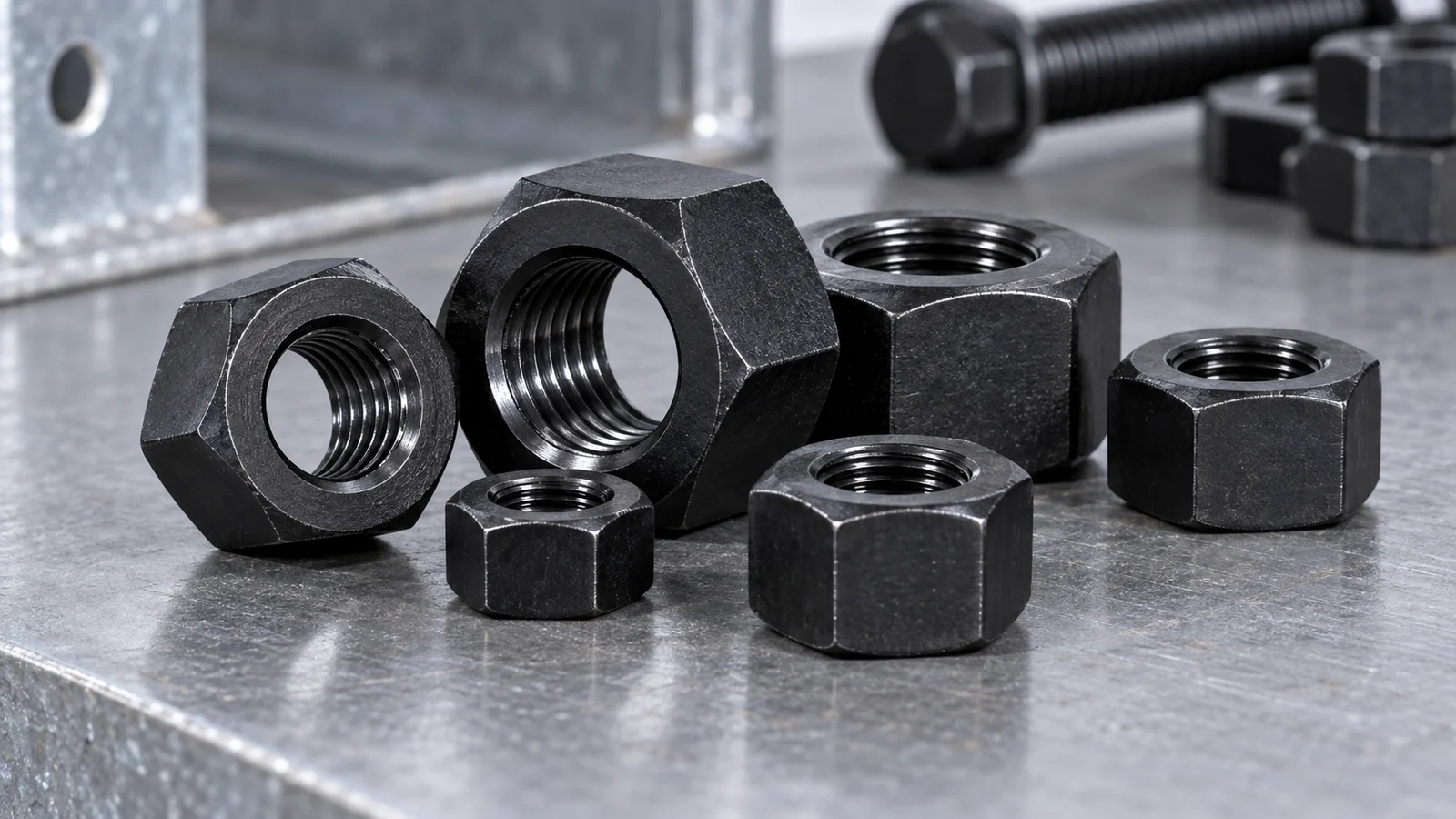
Grade 8 vs Grade 10 Hex Nuts: Strength Class and Bolt Compatibility

Class 8 and class 10 metric hex nuts are not interchangeable labels for bolt strength. They identify different nut property classes, while the suitability of either nut depends on the mating bolt, thread dimensions, nut style and the relevant specification. A black oxide finish adds another purchasing variable: it describes a surface treatment, not a […]

Read More »

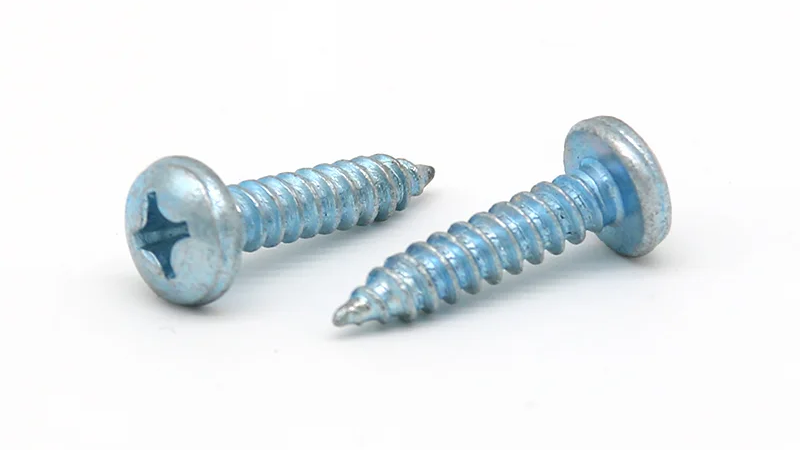
How to Choose Self-Tapping Screws for Plastic Parts

Choose self-tapping screws for plastic by matching the thread design to the resin, pilot hole and surrounding plastic, then checking head seating, thread engagement and tightening conditions on actual parts. Screw diameter alone cannot establish a suitable hole size or installation torque. This guide concerns metal screws fastening into plastic components. These screws create their […]

Read More »

What Is a Fastener? Types, Functions and Industrial Uses

A fastener is a hardware component that mechanically joins or secures parts. Common examples include screws, bolts, nuts and rivets; washers are supporting components used in many fastening assemblies. Some connections can be dismantled by removing threaded fasteners, while others, such as riveted joints, normally require the fastener to be destroyed during removal. In industrial […]

Read More »