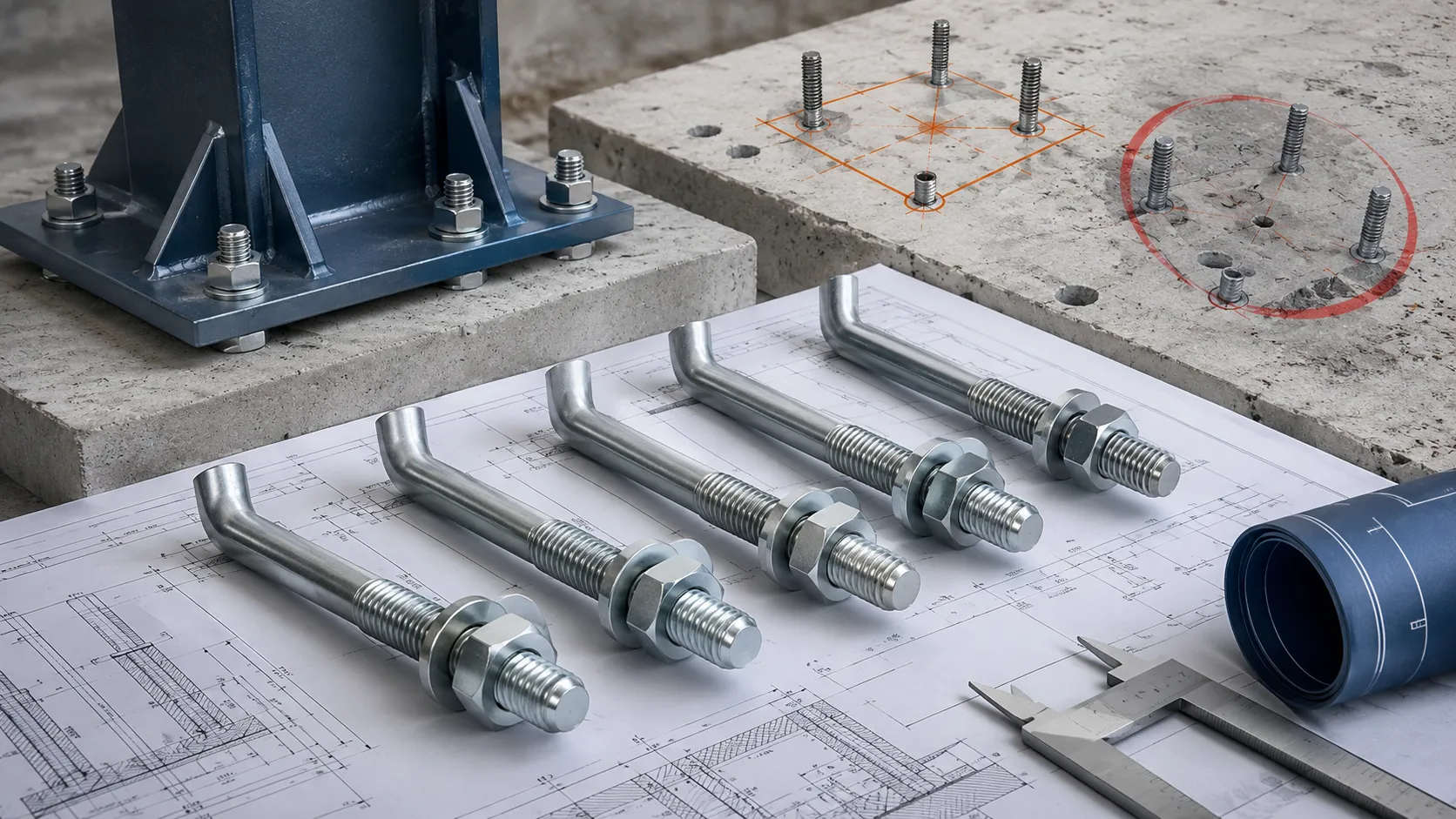
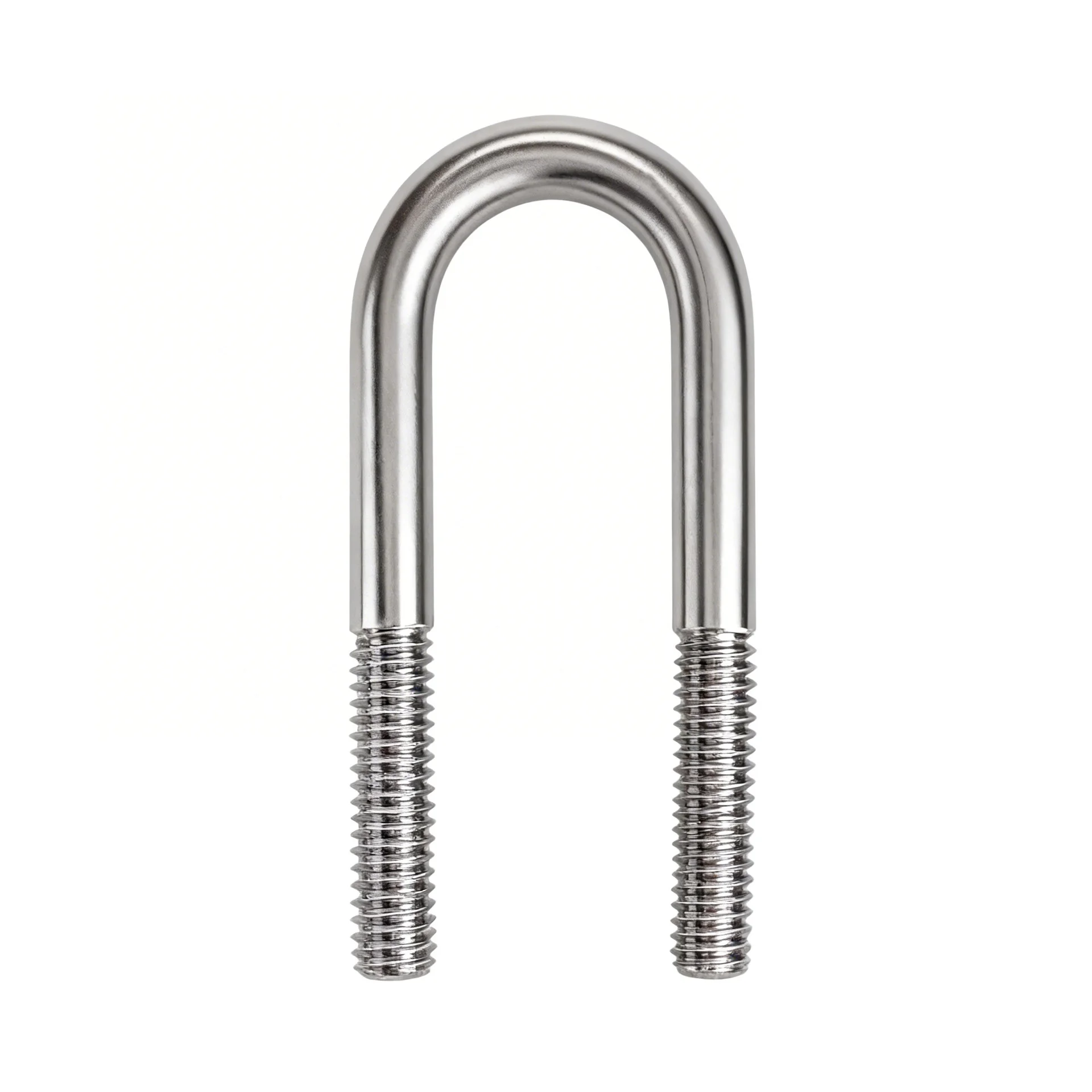
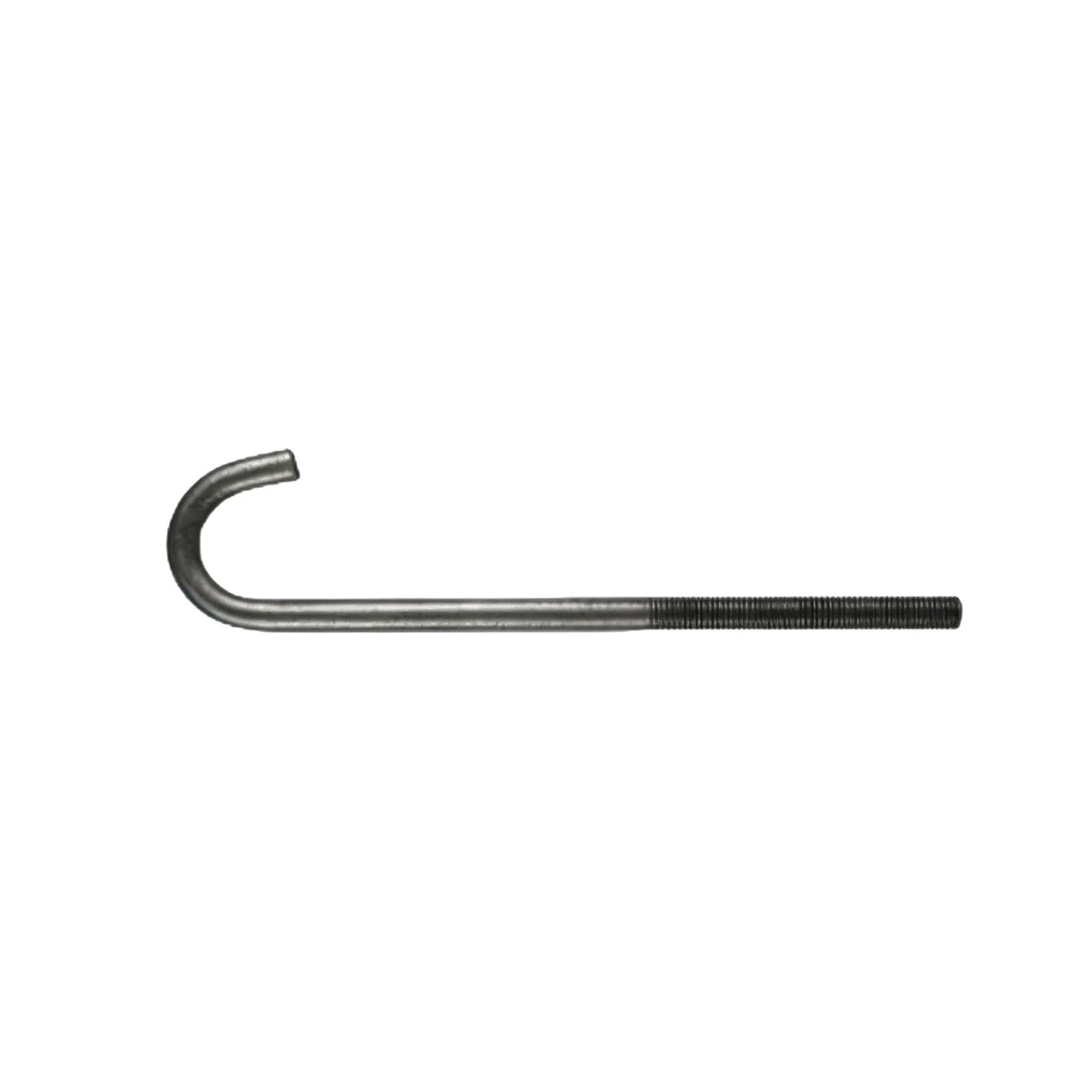
ost anchor bolt ordering errors come from incomplete drawings, unclear dimensions, unsuitable material or coating choices, undefined tolerances, and mismatched nuts or washers. These mistakes affect steel fabricators, EPC contractors, equipment installers, importers, and distributors because anchor bolts are usually embedded before the connected structure arrives on site. Once concrete has cured, even a small error in bolt spacing, projection, thread length, or hook geometry can delay erection and create expensive rework. The most important step is to approve one complete production drawing that identifies the bolt type, diameter, total length, embedment, exposed length, thread specification, material, surface treatment, tolerances, accessories, inspection documents, and packaging. This guide explains seven common purchasing errors, how each one causes site problems, what information a reliable supplier should verify, and what buyers should include in an anchor bolt RFQ before production begins.
What Information Must Buyers Confirm Before Ordering Anchor Bolts?
Before requesting a quotation, buyers should confirm more than the nominal bolt diameter and total length.
A complete anchor bolt specification should normally include:
| Specification | Information to provide |
| Bolt type | L-shaped, J-shaped, straight, headed, plate anchor or project-specific design |
| Diameter | Nominal metric or imperial thread diameter |
| Total length | Overall end-to-end bolt length |
| Embedment length | Length designed to remain inside the concrete |
| Projection | Required exposed length above the finished concrete or grout level |
| Thread length | Usable threaded section required for the base plate, washers and nuts |
| Hook dimensions | Hook length, bend angle and bend radius for L- or J-shaped bolts |
| Thread details | Metric or imperial system, pitch, thread class and thread direction |
| Material | Steel grade required by the engineering drawing or project specification |
| Surface treatment | Plain, black oxide, zinc plated, hot-dip galvanized or another specified coating |
| Accessories | Number and type of nuts, flat washers, spring washers or anchor plates |
| Tolerances | Permitted variation for length, thread, bend and bolt-group dimensions |
| Inspection | Material certificates, dimensional reports, coating tests or third-party inspection |
| Identification | Item number, drawing number, batch number and package marking |
| Packaging | Bundles, cartons, pallets, crates or project-sequenced packages |
Wotu’s Anchor Bolts product category includes L-shaped embedded anchor bolts and supports customized dimensions for industrial and infrastructure projects. The listed product range includes M12–M48 diameters and overall lengths from approximately 120 mm to 1,500 mm, subject to the selected design and final order confirmation.
The structural engineer or project drawing should determine the final dimensions, material and installation requirements. Buyers should not copy a dimension from another project simply because the column or equipment appears similar.
Error 1: Ordering Anchor Bolts by Diameter and Total Length Only
A purchase request such as “M24 × 800 mm anchor bolts” is usually incomplete.
It tells the supplier the nominal diameter and total length, but it does not confirm:
- Threaded length
- Exposed projection
- Embedment depth
- Hook length
- Bend radius
- Thread pitch
- Material grade
- Surface treatment
- Required nuts and washers
- Dimensional tolerance
Two anchor bolts with the same diameter and total length can have completely different installation results.
For example, one M24 × 800 mm bolt may have a long hook and short threaded section, while another may require a shorter hook and enough exposed thread for a thick base plate, leveling nuts, washers and grout clearance.
If the threaded section is too short, the installer may not be able to fit the required nut and washer arrangement. If it is unnecessarily long, the project pays for additional machining and may receive a bolt that does not match the approved detail.
How can buyers prevent this error?
Submit a dimensioned drawing that clearly identifies:
- Overall length
- Thread length
- Hook or bend dimensions
- Embedment
- Projection above concrete
- Reference level used for the projection dimension
Wotu’s L-shaped anchor bolt product is listed in M12–M48 specifications with customizable total length, bending length and threaded length. Matching nuts, flat washers and spring washers can also be supplied as a set.
For a custom order, the final approved drawing—not a short product description—should control production.
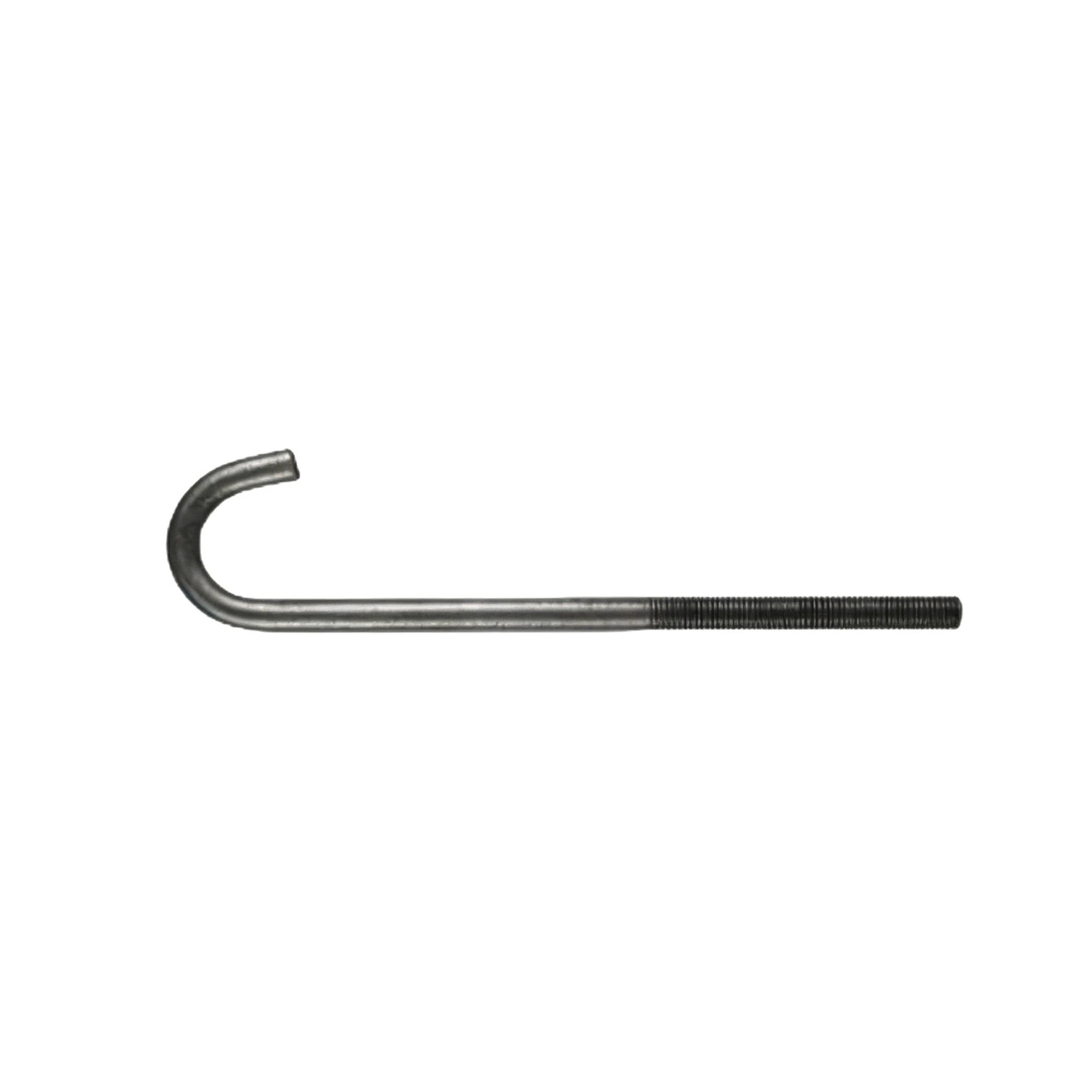
Error 2: Ignoring the Base Plate and Anchor Bolt Layout
Anchor bolts are part of a connection system. They must align with the steel column base plate, machinery base, pole flange or equipment frame installed above them.
A bolt can be manufactured to the correct individual dimensions and still cause site rework when the bolt-group layout is wrong.
Common layout errors include:
- Incorrect center-to-center spacing
- Wrong rectangular or circular bolt pattern
- Incorrect diagonal dimensions
- Bolt group rotated relative to the structure
- Base plate hole diameter not considered
- Missing orientation mark
- Projection measured from the wrong concrete level
- Anchor template not matching the final shop drawing
Anchor rod placement tolerances are treated as a specific construction and erection issue in the AISC Code of Standard Practice. This underlines why fabrication drawings, templates, concrete work and steel erection information need to be coordinated rather than handled as separate tasks.
What layout information should the drawing show?
The anchor bolt drawing should identify:
- Number of bolts in each group
- Center-to-center spacing in both directions
- Diagonal dimensions where useful
- Distance from the bolt group to grid lines
- Orientation relative to the building or equipment
- Base plate hole size
- Finished concrete or grout reference level
- Required projection
- Anchor template dimensions
- Permitted installation tolerance
A practical method is to issue one coordinated drawing showing the anchor bolt group and the matching base plate.
This allows the supplier, steel fabricator and site team to check the same information before production and concrete placement.
Error 3: Choosing the Material Grade Without Checking the Project Specification
Anchor bolt material should not be selected only by price or local availability.
The required material depends on factors such as:
- Structural design loads
- Tensile and yield strength requirements
- Ductility
- Weldability, where relevant
- Bolt diameter
- Bend geometry
- Operating temperature
- Corrosion environment
- Project standard
- Engineer approval
- Required material traceability
One of the most common purchasing mistakes is describing an anchor bolt only as “high strength.”
“High strength” is not a complete material specification. It does not tell the supplier which standard, grade, mechanical properties, chemical composition or test documents are required.
What should buyers write in the RFQ?
Instead of writing:
High-strength M30 anchor bolts
Write:
M30 L-shaped anchor bolts manufactured to the material grade and mechanical requirements shown on Drawing AB-106, including the required material certificate.
When a project requires an ASTM, EN, DIN, GB or another national or project-specific standard, state the exact designation and revision required by the contract.
Do not assume that a supplier’s standard stock material automatically complies with every international specification.
Wotu lists Q235, 35Cr, 45# and 40Cr among the material options used for its L-shaped anchor bolt production. The correct material for a particular project should still be confirmed against the engineering drawing and required documentation before production.
What documents may be required?
Depending on the project, buyers may request:
- Mill test certificate
- Chemical composition report
- Mechanical property report
- Heat or batch number
- Hardness test
- Tensile test
- Third-party inspection
- Certificate of conformity
The required document package should be included in the purchase order. Asking for additional testing after production may increase cost and delay shipment.
Error 4: Selecting a Coating Without Confirming Thread Compatibility
Surface treatment is not only a color or appearance decision.
The coating must match the installation environment, required service life, project specification and mating components.
Common options include:
- Plain or natural finish
- Black oxide or temporary rust protection
- Electro-zinc plating
- Hot-dip galvanizing
- Project-specific corrosion-protection systems
A frequent mistake is ordering galvanized anchor bolts while purchasing nuts and washers from a different supplier without confirming thread compatibility.
A protective coating adds material to the finished surface. Therefore, the anchor bolt threads, nuts and washers should be specified and checked as one compatible fastening set.
Questions buyers should ask
- Are the nuts suitable for the coated anchor bolt threads?
- Are bolts, nuts and washers supplied with the same surface treatment?
- Is the coating applied before or after thread production?
- Is coating thickness inspection required?
- Are damaged coating areas permitted to be repaired?
- Does the project specify a minimum coating thickness?
- Is salt-spray testing required?
- Is the coating appropriate for indoor, outdoor, coastal or chemical exposure?
Wotu offers natural black oxide, zinc-plated and customized hot-dip galvanized finishes for its L-shaped anchor bolts. Its product page also states that corresponding nuts and washers can be supplied together, which can simplify compatibility and package control.
Which coating should buyers choose?
The answer depends on the service environment.
Plain or black-finished anchor bolts may be appropriate for embedded sections or controlled indoor applications when permitted by the design.
Hot-dip galvanized anchor bolts may be considered for outdoor or corrosive environments, but the exact coating system must be approved by the project engineer and coordinated with the required nuts and washers.
Do not select a coating based only on the lowest quotation.
Error 5: Leaving Dimensional Tolerances Undefined
A drawing may show every nominal dimension and still be incomplete when it does not state acceptable tolerances.
Manufactured steel components cannot be produced to an unlimited degree of precision. The supplier therefore needs to know how much variation the project permits.
Relevant tolerances may include:
- Overall bolt length
- Threaded length
- Hook length
- Bend angle
- Bend radius
- Straightness
- Thread fit
- Bolt-group spacing
- Projection
- Anchor plate position
- Coating thickness
The correct tolerances depend on the project standard, base plate design, erection method and installation conditions. They should be defined by the responsible engineer or agreed during drawing approval.
Why do undefined tolerances cause disputes?
Without an agreed tolerance, the buyer may inspect the product using one expectation while the supplier manufactures it using another.
For example:
- The supplier may treat an overall-length variation as acceptable.
- The buyer may reject the same variation because it affects the required projection.
- The drawing may not state whether the total length is measured before or after bending.
- The hook may meet its nominal dimensions but not fit the site template.
A complete drawing should identify:
- Nominal dimension
- Permitted variation
- Measurement method
- Inspection tool
- Sampling level
- Acceptance responsibility
Do not solve an undefined-tolerance problem by writing “all dimensions must be exact.” That statement is not measurable and does not create a workable inspection standard.
Error 6: Starting Production Before the Final Drawing Is Approved
Verbal instructions, chat screenshots, marked-up photographs and preliminary drawings are useful during quotation, but they should not be treated as the final production authority.
Changes frequently occur during a project:
- Base plate thickness changes
- Grout thickness changes
- Column size changes
- Thread length is revised
- Bolt spacing is adjusted
- Material grade is upgraded
- Surface treatment changes
- Accessories are added
- Package sequencing is revised
If the buyer approves production before these details are frozen, the completed anchor bolts may match an obsolete document.
What should the final approval process include?
A practical approval process is:
- Buyer submits the latest engineering drawing.
- Supplier reviews dimensions, materials, coating and accessories.
- Supplier prepares a production drawing or specification sheet.
- Buyer checks the drawing against the structural and base plate details.
- Both parties record the final revision number.
- Buyer provides written approval.
- Supplier releases material and begins production.
- Any later change is managed through a documented revision.
Each production document should show:
- Project name
- Buyer item number
- Supplier item number
- Drawing number
- Drawing revision
- Quantity
- Material
- Surface treatment
- Dimensions
- Tolerances
- Accessories
- Inspection requirements
- Approval date
Wotu states that it supports customized non-standard fasteners based on drawings, samples and application requirements. For custom anchor bolts, buyers should make the approved drawing part of the purchase contract.
Error 7: Ignoring Inspection, Identification and Export Packaging
An anchor bolt order is not complete when manufacturing ends.
The supplier must also verify the products, separate different specifications, protect the threads and prepare the shipment so the site team can identify each item.
What should be inspected?
A suitable quality-control plan may include:
Raw material inspection
- Material grade
- Diameter
- Surface condition
- Mill certificate
- Heat or batch identification
Dimensional inspection
- Overall length
- Thread length
- Hook dimensions
- Bend angle
- Bend radius
- Straightness
- Plate dimensions where applicable
Thread inspection
- Thread diameter
- Pitch
- Usable thread length
- Nut fit
- Thread damage
- Thread gauge inspection where specified
Surface inspection
- Coating type
- Coating coverage
- Visible defects
- Coating thickness where required
- Protection of threaded sections
Assembly inspection
- Correct nut quantity
- Correct washer quantity
- Compatibility of mating threads
- Complete set count
Final shipment inspection
- Quantity
- Marking
- Bundle identification
- Packing list
- Package strength
- Thread-end protection
- Pallet or crate condition
Why does package identification matter?
Large construction projects may order several anchor bolt sizes for different foundations.
If M24, M30 and M36 bolts arrive in unmarked or mixed bundles, the site team must measure and sort them manually. This increases handling time and creates a risk of placing the wrong bolt group in the wrong foundation.
Each package should clearly show:
- Project name
- Foundation or grid reference
- Drawing number
- Item number
- Bolt size
- Quantity
- Material
- Surface treatment
- Package number
- Gross and net weight
Wotu lists bundling, wooden pallets and film-wrapped export packaging for bulk L-shaped anchor bolt orders. Buyers should confirm whether additional crates, thread protectors, waterproof wrapping or project-sequenced packaging are required before quotation.
What Should an Anchor Bolt RFQ Include?
A clear RFQ helps the supplier issue a more accurate quotation and reduces repeated emails.
Use the following checklist.
| RFQ item | Details to provide |
| Project | Project name, country and application |
| Anchor type | L, J, straight, headed, plate anchor or custom |
| Standard | Applicable product, material and project standard |
| Diameter | Metric or imperial nominal diameter |
| Quantity | Quantity per size and total quantity |
| Total length | Overall end-to-end length |
| Thread length | Required usable thread |
| Thread specification | Pitch, class and thread system |
| Embedment | Required embedded length |
| Projection | Required exposed length and reference level |
| Bend geometry | Hook length, angle and radius |
| Bolt-group layout | Center spacing, pattern and orientation |
| Material | Grade and required mechanical properties |
| Coating | Type, thickness and testing requirements |
| Accessories | Nuts, flat washers, spring washers or plates |
| Tolerance | Manufacturing and installation tolerances |
| Documents | Material certificate, inspection report and conformity documents |
| Packaging | Bundle, pallet, crate, labels and thread protection |
| Delivery | Required completion date and delivery destination |
| Trade terms | EXW, FOB, CIF or another agreed Incoterm |
| Drawing | Latest drawing number and revision |
The buyer should attach the base plate or equipment-foundation drawing whenever possible.
What Factors Affect the Price of Custom Anchor Bolts?
Anchor bolt pricing is influenced by more than weight.
The main cost factors include:
- Steel grade
- Bolt diameter
- Overall length
- Threaded length
- Hook or plate design
- Manufacturing difficulty
- Order quantity
- Standard or non-standard dimensions
- Thread type and pitch
- Surface treatment
- Coating thickness
- Number of nuts and washers
- Testing requirements
- Material certification
- Third-party inspection
- Customized labels
- Thread protection
- Pallet or crate requirements
- Production urgency
- International freight
Large-diameter bolts, long threaded sections, special materials, heavy coatings and small customized batches generally require more material, processing and setup time.
Instead of asking only for a unit price, buyers should request a quotation that identifies:
- Unit price
- Included accessories
- Tooling or setup cost
- Testing cost
- Packaging cost
- Estimated gross weight
- Lead time
- Trade term
- Quotation validity
This makes quotations from different anchor bolt suppliers easier to compare.
What Is the Typical Production Process for L-Shaped Anchor Bolts?
A typical production sequence may include:
- Raw material verification
- Round bar cutting
- Heating or controlled bending
- Hook forming
- Thread rolling or thread production
- Deburring
- Surface treatment
- Dimensional inspection
- Nut-fit inspection
- Marking
- Bundling and export packaging
Wotu describes its process for L-shaped embedded anchor bolts as round-steel cutting, high-temperature hook bending, thread production and surface treatment. The company also states that it supports non-standard production based on project drawings.
The exact process may vary according to the material, dimensions, standard and coating requirements.
How Should Buyers Evaluate an Anchor Bolt Supplier?
Before placing an order, buyers should confirm whether the supplier can manage both manufacturing and project documentation.
Ask the following questions:
- Can you manufacture according to our final drawing?
- Which diameter and length ranges can you produce?
- Which materials are regularly available?
- Can you provide matching nuts and washers?
- Which surface treatments are available?
- How do you inspect thread dimensions?
- How do you inspect the hook and bend geometry?
- Can you provide material certificates?
- Can you provide a dimensional inspection report?
- Can you arrange third-party inspection?
- How are different sizes identified?
- How are threaded ends protected?
- What is the MOQ for custom production?
- What is the production lead time?
- Can packages be separated by foundation or drawing number?
- What information must be approved before production?
- How are drawing revisions controlled?
- What happens if an inspected dimension is outside tolerance?
A reliable anchor bolt manufacturer should identify missing information before production rather than manufacturing immediately from an incomplete RFQ.
Frequently Asked Questions About Ordering Anchor Bolts
What dimensions are required for custom anchor bolts?
At minimum, buyers should provide the diameter, total length, thread length, embedment, exposed projection and hook or plate dimensions. The drawing should also identify material, surface treatment, tolerances and accessories.
Is “M24 × 800 mm” enough for an anchor bolt quotation?
It may be enough for a preliminary price estimate, but it is not normally enough for final production. The supplier still needs the thread length, hook dimensions, material, coating, quantity, tolerances and accessory requirements.
How much thread length should an anchor bolt have?
There is no universal thread length for every project. It depends on the base plate thickness, grout level, leveling arrangement, number of nuts and washers, required projection and installation tolerance.
The responsible engineer or approved project drawing should determine the final thread length.
Should anchor bolts, nuts and washers be ordered together?
Ordering them as a matched set can reduce the risk of incompatible threads, coatings or quantities. Buyers should still specify the grade, surface treatment and required number of each accessory.
Can hot-dip galvanized anchor bolts use standard nuts?
The bolt and nut threads must be compatible after coating. Buyers should confirm that the supplier is providing a suitable matched set rather than purchasing components separately without checking fit.
What documents should an anchor bolt supplier provide?
Depending on the contract, documents may include material certificates, dimensional inspection reports, coating reports, packing lists, certificates of conformity and third-party inspection records.
What causes anchor bolts to be rejected on site?
Typical causes include incorrect spacing, insufficient projection, short threads, wrong material, damaged threads, incorrect hook geometry, coating problems, missing accessories and unclear package identification.
What is the difference between anchor bolt manufacturing tolerance and installation tolerance?
Manufacturing tolerance controls the dimensions of the individual bolt or fabricated anchor assembly.
Installation tolerance controls where the bolt or bolt group is positioned in the concrete foundation. Both must be coordinated with the base plate and project requirements.
For a general overview of common applications, see Applications of Anchor Bolts.
Prevent Site Rework Before Anchor Bolt Production Begins
Most anchor bolt problems can be prevented before steel is cut.
Buyers should submit one coordinated and approved drawing covering:
- Anchor bolt geometry
- Base plate layout
- Material grade
- Surface treatment
- Thread requirements
- Manufacturing tolerances
- Matching nuts and washers
- Inspection documents
- Package identification
- Delivery sequence
When requesting a quotation, send Wotu:
- Project application and destination
- Required standard
- Anchor bolt drawing
- Diameter and quantity
- Material grade
- Surface treatment
- Required nuts and washers
- Inspection requirements
- Packaging requirements
- Required delivery date
Contact Wotu Fastener to submit your drawing and receive a custom anchor bolt specification review, production recommendation and quotation.