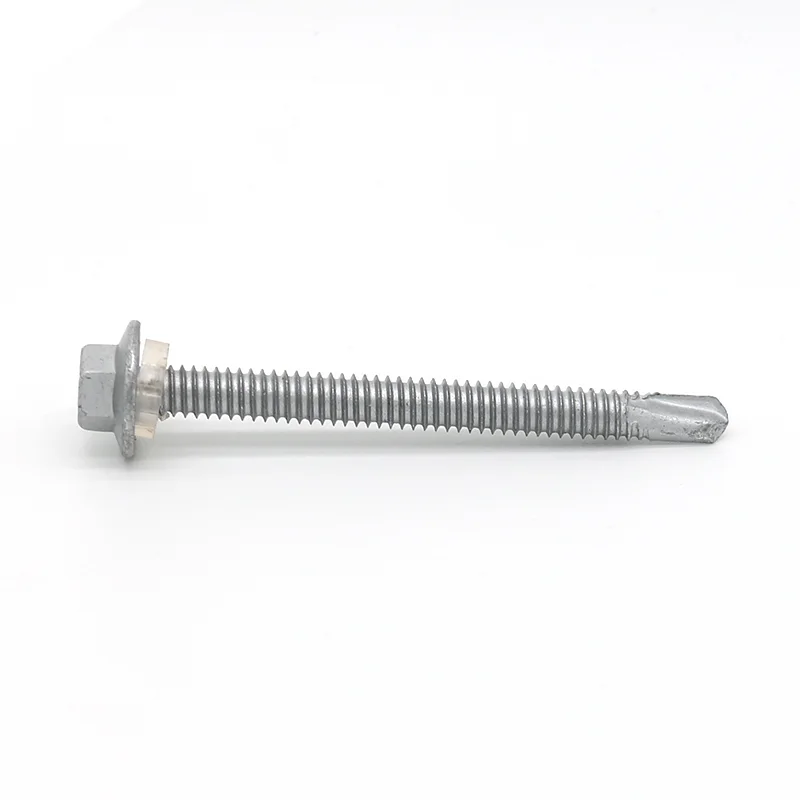
Self-drilling screws are fundamental mechanical components with high demand. They are typically used in bolts, screws, rivets, etc., for safety or in harsh environments or other hazardous conditions where temperature effects are not a concern.
Common materials for self-drilling screws include carbon steel, low-alloy steel, and non-ferrous metals. However, in specific applications, fastener materials need to withstand severe corrosion or high strength, leading to the development of various stainless steels and ultra-high-strength stainless steels.
The following six points should be noted when using and maintaining self-drilling screws:
1. The rinsing process for self-drilling screws is crucial and requires careful attention, as residues may remain on the surface. Rinsing should be performed after cleaning with a silicate cleaning agent.
2. Self-drilling screws must be stacked properly during tempering; otherwise, slight oxidation may occur in the quenching oil. 3. The presence of white phosphide residue on the surface of high-strength screws indicates insufficient attention to detail during inspection (point 1).
4. Blackening of parts indicates a chemical reaction, suggesting incomplete heat treatment and incomplete removal of alkaline residues.
5. Rusting may occur on standard parts during rinsing; the rinsing water should be changed frequently.
6. Excessive rusting indicates that the quenching oil has been used for too long and needs to be replaced with new oil.