
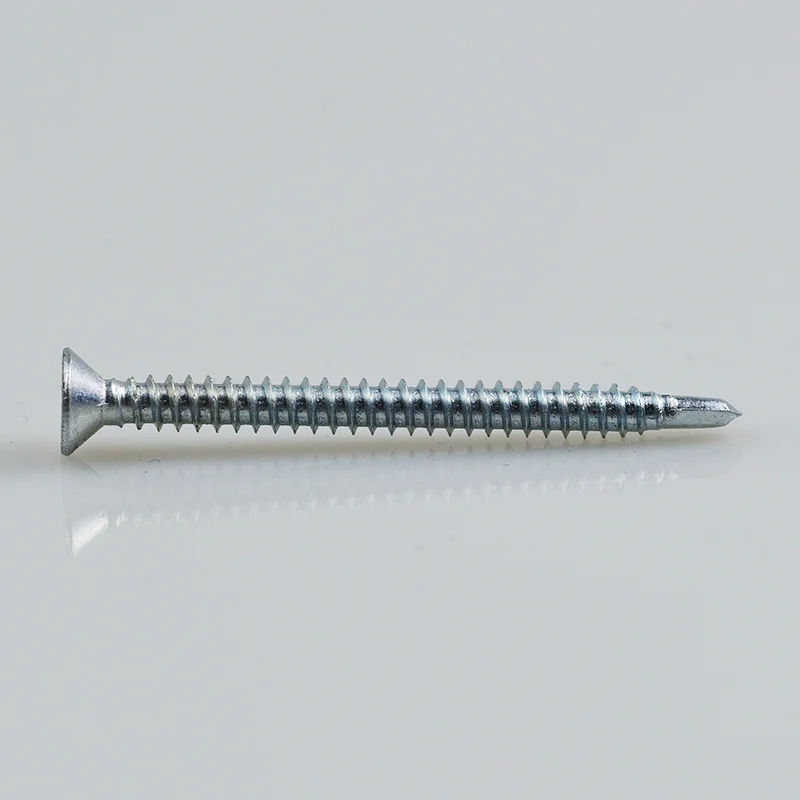
Six key points to note when using and maintaining self-drilling screws

Six key points to note when using and maintaining self-drilling screws

2026-05-20 15:34:34

1. Rinsing the self-drilling screw is crucial and requires meticulous attention, as residue may remain on its surface. This rinsing step should be performed after cleaning with a silicate cleaning agent.

2. Proper stacking is essential during tempering of the self-drilling screw; otherwise, slight oxidation may occur in the quenching oil.

3. The appearance of white phosphide residue on the surface of high-strength screws indicates insufficient attention to detail during inspection (point 1).

4. Blackening of the component surface due to chemical reaction indicates incomplete heat treatment and incomplete removal of alkaline residues. 5. Standard parts may rust during rinsing, and the water used for rinsing should be changed frequently.

6. Excessive rust indicates that the quenching oil has been used for too long and needs to be replaced with new oil.

Recent Posts

DIN 931 vs DIN 933 Hex Bolts: What Should Buyers Confirm Before Bulk Ordering?

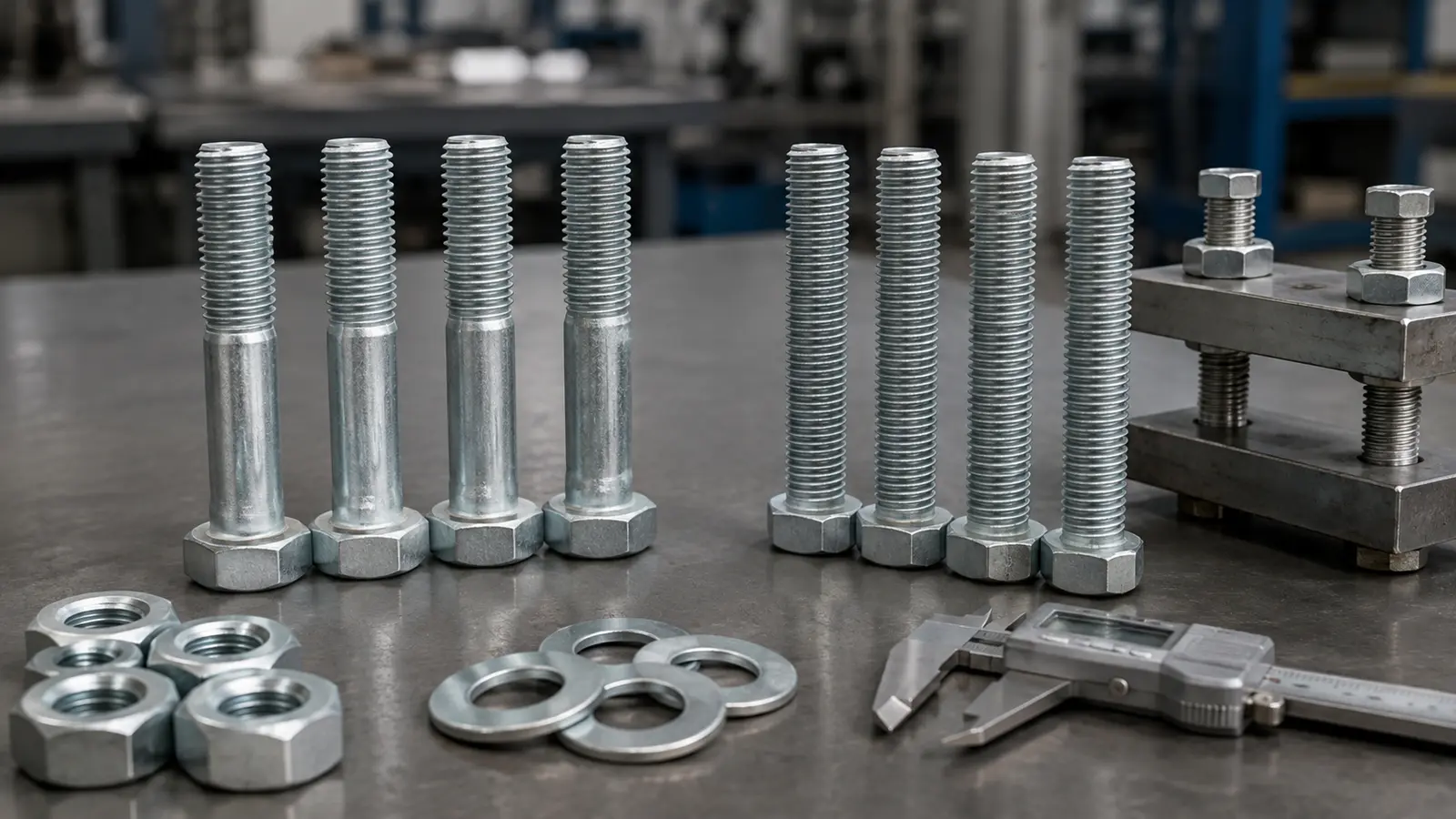
DIN 931-style half-thread and DIN 933-style full-thread hex bolts should not be selected from diameter and overall length alone. The practical choice depends on the joint stack, required grip, location of the thread transition, available nut engagement, mating hardware, material or property requirement, coating system and governing product specification. A half-thread bolt is not automatically […]
Read More »

What Should Buyers Verify When Comparing Bolt Manufacturers?

A bolt manufacturer should be evaluated against a defined joint, drawing and acceptance plan—not a product list or unit price alone. Buyers need to verify whether the supplier can manufacture the required geometry, control material and heat-treatment requirements where applicable, manage threads and coatings as one dimensional system, inspect critical characteristics, preserve batch traceability and […]

Read More »

Contact Us