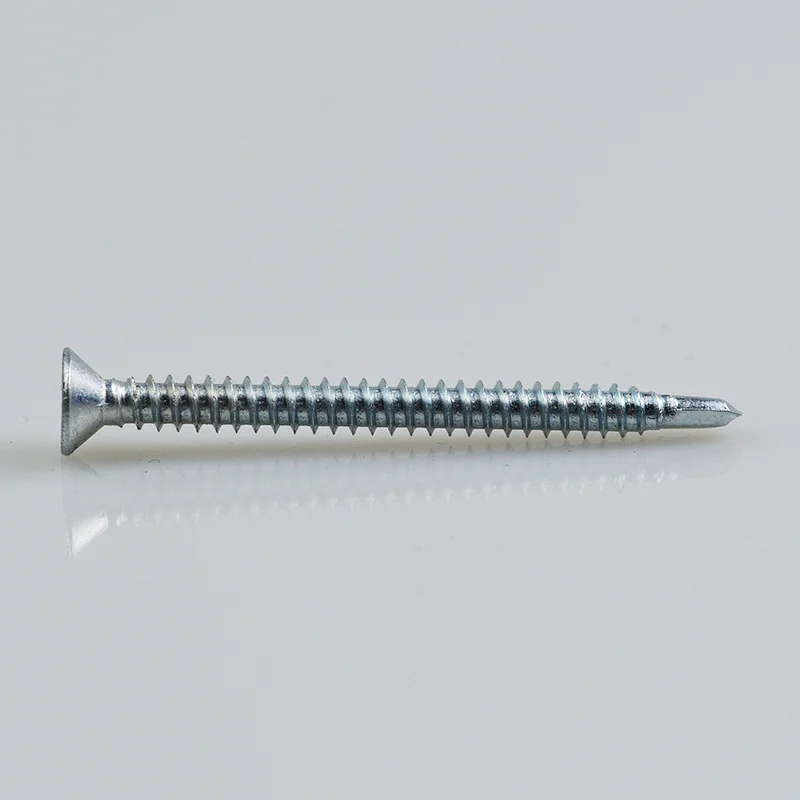
2-1/2 Self-Tapping Screws are typically evaluated by drive type, head style, thread form, material, finish, point style, packaging method, and order quantity. These details help determine whether a product option fits the intended assembly or resale requirement.
For a useful quotation, provide the required size, material preference, finish, quantity range, destination, packaging needs, and any drawings or samples. This helps the supplier respond with more relevant specifications instead of a general product list.
Start with a specification checklist. Confirm the required length, diameter, head type, drive type, thread style, point style, material, and surface finish. If you are comparing related products, note where substitutions may be acceptable and where the design must remain fixed.
For bulk purchasing, packaging requirements should be discussed early. Share whether you need bulk cartons, small boxes, labeled packaging, pallet details, or export packing information. Clear packaging instructions help prevent delays during quotation review and order preparation.
Before requesting pricing, prepare the quantity range, target delivery schedule, destination port or address, and any inspection or documentation needs. If approval is required before a larger order, ask about sample confirmation and what technical details can be checked from the sample.
When comparing supplier responses, look beyond unit price. Review whether each quotation matches the requested material, size, configuration, finish, and packaging. A supplier that asks precise follow-up questions can be easier to evaluate during RFQ and quality review.