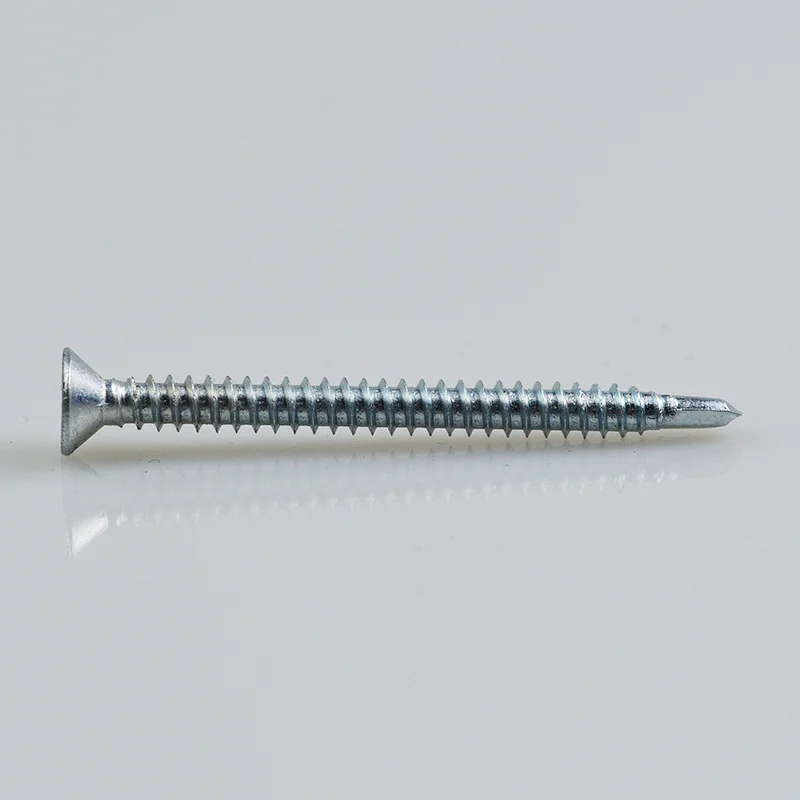
#6 Self-Tapping Screws are selected by confirming the application material, head style, drive type, thread form, surface finish, and packaging needs. For OEM use, drawings, samples, or reference photos help the supplier identify a closer match.
A practical inquiry should include quantity range, destination, required finish, sample approval steps, and any labeling or carton requirements. This helps reduce back-and-forth before quotation and production planning.
Begin with the application. Tell the supplier whether the screws will be used with metal, plastic, wood, or another assembly material, and note any space, appearance, or installation constraints. This makes it easier to confirm whether the #6 Self-Tapping Screws on your shortlist fit the project.
Next, define the customization scope. Procurement teams should clarify dimensions, head and drive style, material, coating, color, corrosion expectations, packaging format, and whether customer drawings or existing samples must be followed.
For sample approval, ask what information is needed to prepare a sample, how differences from your reference will be confirmed, and what inspection points should be checked before bulk order approval. If the project has several versions, separate each specification clearly.
When preparing an RFQ, include estimated order quantity, delivery destination, preferred incoterm if applicable, expected timeline, and carton or label requirements. Clear sourcing notes help the supplier respond with a more relevant quotation and lead-time discussion.