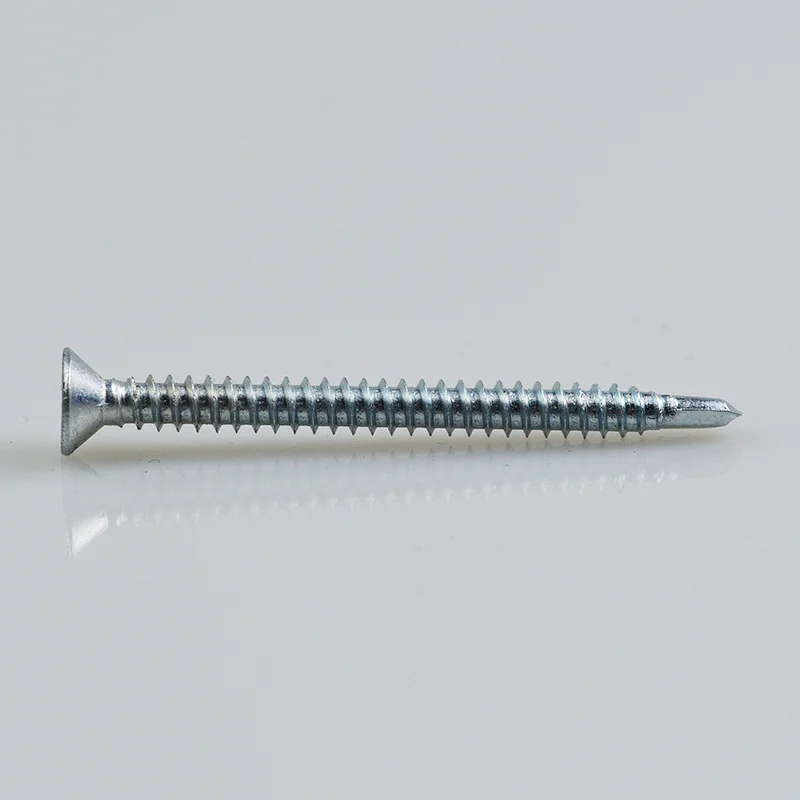
Self-drilling screws and self-tapping screws are selected based on how the fastener enters the material. Self-drilling screws include a drill point for creating a hole during installation, while self-tapping screws form or cut threads in a prepared or suitable hole.
For RFQ preparation, the best comparison is not only the name of the screw. Share the base material, thickness, head type, drive type, finish, quantity, packaging request, and destination so the supplier can check application fit and order requirements.
Start with the installation environment. Tell the supplier whether the screws will be used with metal, wood, plastic, composite panels, or another substrate, and confirm whether a pre-drilled hole is expected. This helps separate self-drilling needs from self-tapping needs before pricing begins.
Prepare a specification list for the RFQ. Include diameter, length, head style, drive type, point type, thread type, material, surface treatment, and any drawing or sample reference. If the order is for export, add packing method, carton marks, pallet needs, and destination port or country.
Ask practical supplier questions early. Confirm available custom options, sample process, inspection points, lead-time discussion, and how after-sales questions are handled if installation feedback appears after delivery. These details are useful when your purchasing team is comparing more than one quotation.
When reviewing replies, look for application-based communication rather than only a unit price. A supplier should be able to discuss usage conditions, recommend related products when needed, and clarify what information is still missing before bulk order confirmation.