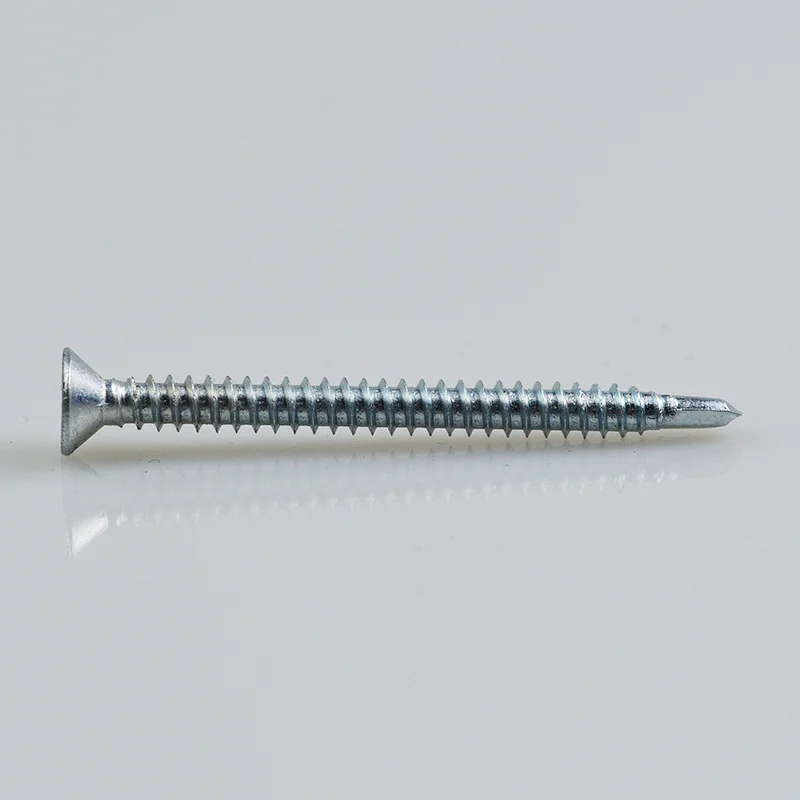
Self-Drilling And Tapping Sheet Metal Screws are selected when a project needs fasteners that can drill into sheet metal and form threads during installation. For sourcing, buyers should compare size, head type, point type, material, finish, and application conditions.
For a product development team, the best inquiry includes drawings or samples, target use, quantity range, packaging needs, inspection requirements, and delivery expectations. This gives the supplier enough detail to confirm feasibility and prepare a useful quotation.
Start the sourcing process by defining the application environment and the sheet metal thickness range. Confirm whether the screw will be used in assembly, enclosure production, equipment housing, roofing, brackets, or another product structure. These details help narrow the correct drilling point, thread design, head style, and surface treatment.
When preparing an RFQ, include dimensions, material preference, coating or plating requirements, drive type, head type, washer needs, estimated annual demand, order batch size, destination, and requested delivery schedule. If the project is still under development, provide drawings, photos, existing samples, or performance targets for review.
Quality review should cover thread condition, drill point shape, surface finish, dimensions, packaging condition, and any inspection documentation required by your internal approval process. For sample confirmation, ask how samples will be marked, packed, and matched to future production orders.
When comparing suppliers, look beyond the unit price. Evaluate how clearly each supplier answers technical questions, whether they can support related product comparison, and how they handle specification changes, after-sales communication, and documentation during repeated orders.