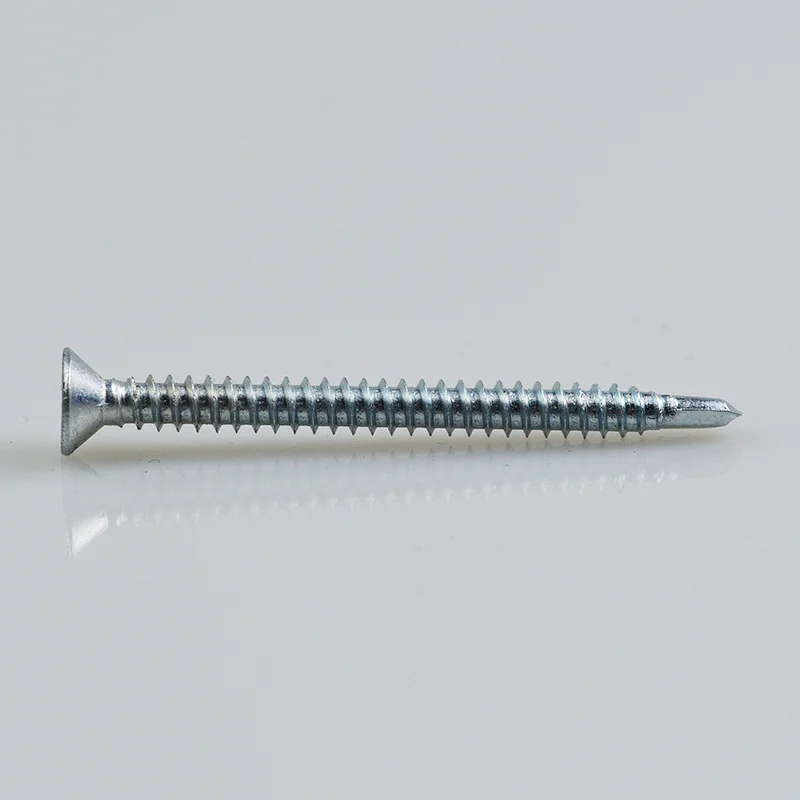
Self-Tapping Metal-to-Wood Screws are used when a fastening solution must connect metal components to wood substrates while supporting efficient installation. Buyers should confirm screw diameter, length, thread design, head configuration, drive type, coating, and material before placing bulk orders.
For sourcing, the best approach is to send a detailed RFQ with drawings, sample references, quantity range, packaging requirements, and destination information. This helps the supplier check product fit, quote accurately, and confirm whether standard or customized options are more suitable.
Start with the application checklist. Confirm the metal thickness, wood type, installation method, required holding strength, and whether the screw will be used indoors, outdoors, or in another specific environment. These details guide the choice of material, surface treatment, point style, and thread configuration.
Next, define the commercial and packaging requirements. For bulk purchasing, include order quantity, carton weight limits, inner box preferences, pallet needs, labeling requirements, and any export documentation expectations. Clear packaging instructions help avoid delays during inspection, warehousing, or distribution.
When preparing a quotation request, provide size, material grade, finish, head type, drive type, thread details, sample photos, drawings, or an existing screw reference if available. If you are comparing Self-Tapping Metal-to-Wood Screws with related fasteners, ask the supplier to explain the difference in structure and suitable use cases.
Before confirming an order, request sample confirmation and ask about routine quality checks such as dimensional inspection, finish review, thread consistency, and packaging verification. Supplier replies should be evaluated not only by price, but also by how clearly they address specification matching and order handling.