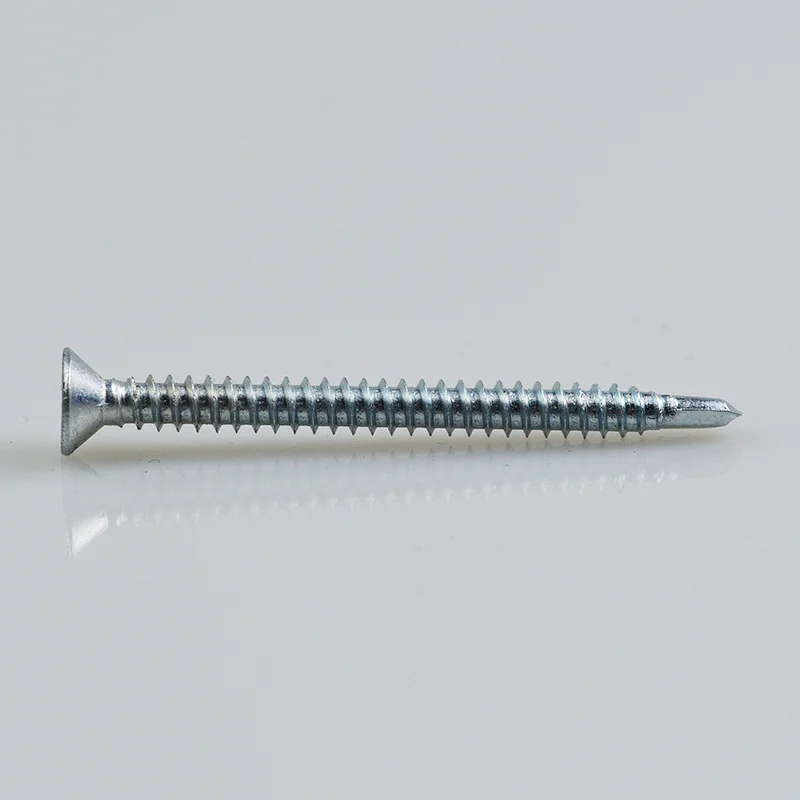
#5 Self-Tapping Screws are selected by matching the screw size, head style, drive type, material, finish, point style, and application surface to the project requirement. For custom work, the inquiry should also include drawings, samples, usage notes, and packaging expectations.
If you are sourcing for production or project use, focus on specification confirmation before price comparison. Clear details help reduce quotation gaps, sample revisions, and inconsistencies between trial orders and later batches.
Begin with the application. Confirm the base material, assembly method, load expectations, corrosion environment, visible appearance needs, and whether the screw will be used with plastic, sheet metal, wood, or another material. These details help narrow the suitable structure for #5 Self-Tapping Screws.
Prepare a specification checklist before requesting a quotation. Include diameter, length, head type, recess or drive, thread style, point type, material, surface treatment, color, tolerance needs, and any drawing or sample reference. If a current screw is being replaced, share photos and measured dimensions.
For custom specification confirmation, ask how samples, packaging, labeling, carton marks, and brand customization will be handled. Project engineers should also confirm whether the same specification can be repeated consistently across future orders.
When comparing supplier replies, look beyond the unit price. Review whether the response addresses technical details, lead-time questions, sample confirmation, packaging requirements, and related product options. A complete answer is easier to evaluate during project approval.