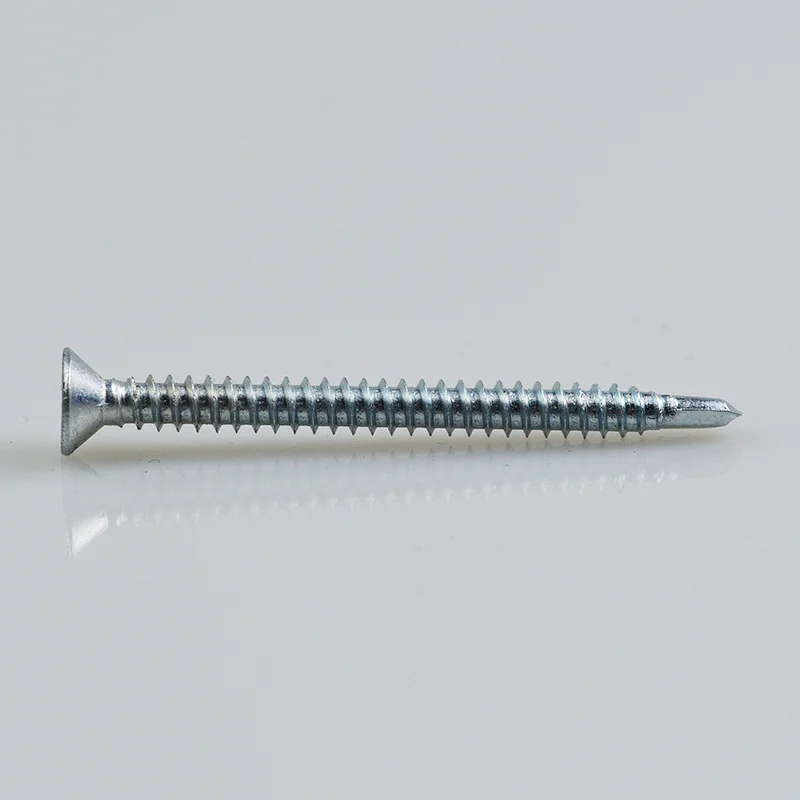
Self-tapping screws form threads in a prepared hole, while self-drilling screws include a drill point that can create the hole and thread in one operation. The better option depends on base material, thickness, installation equipment, and required fastening performance.
When comparing Self-Tapping Vs Self-Drilling Screws for procurement, match the screw configuration to the application first, then review material grade, surface finish, dimensions, sample quality, and supplier response. Clear technical requirements reduce quotation errors and help suppliers recommend suitable options.
Start with the application details. List the base material, material thickness, assembly environment, required holding performance, and whether a pilot hole is available. This helps determine whether self-tapping or self-drilling screws are more suitable for the project.
Define the specification checklist before requesting pricing. Include diameter, length, thread type, head style, drive type, point type, material, coating, washer needs, packaging format, carton weight limits, labeling, and any export documentation requirements.
For bulk orders, ask suppliers how they support sample approval, dimensional checks, coating consistency, and packing confirmation. If drawings or reference samples are available, share them early so the quotation is based on the same technical standard.
When comparing supplier replies, look for complete answers rather than only a low unit price. A practical supplier should clarify application fit, confirm available sizes, explain custom options, and communicate after-sales handling for quality questions or shipment issues.