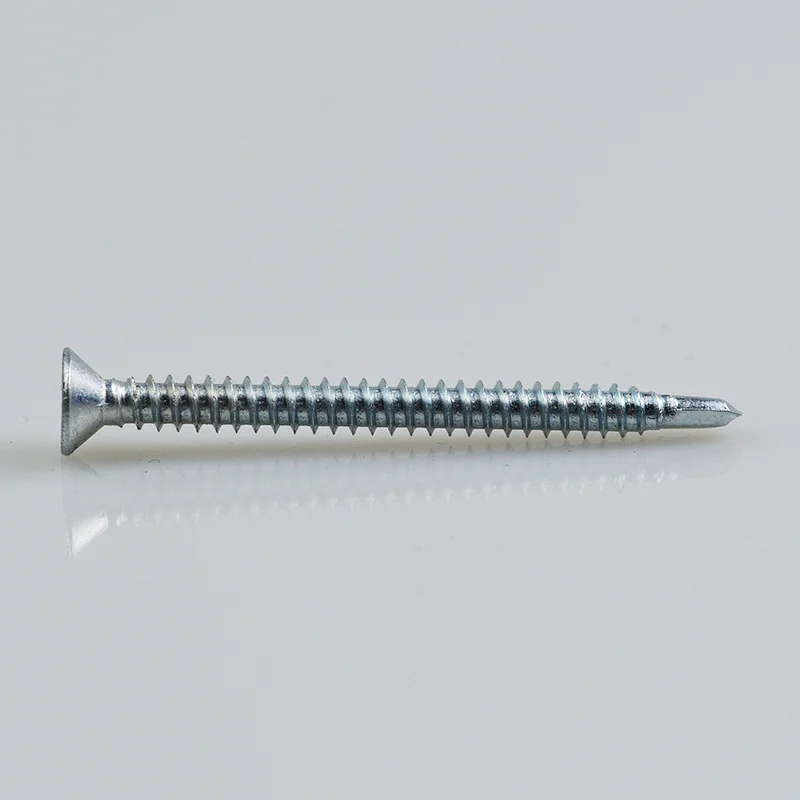
Self-Tapping Screws for Wood to Metal are used when a wood component must be fastened to a metal base or frame, and the screw specification needs to match the material thickness, fixing method, head style, finish, and installation environment.
For B2B sourcing, the best next step is to send the supplier a complete checklist: screw size, material, coating, head type, drive type, quantity range, packaging request, logo or brand requirements, and any sample or drawing references.
Begin by confirming the application conditions for Self-Tapping Screws for Wood to Metal. A project engineer should define the wood type, metal thickness, fastening direction, expected installation method, and whether the screw will be visible after assembly. These details help prevent mismatched recommendations.
Next, prepare a specification checklist before requesting a quote. Include diameter, length, head style, drive type, point type, material, surface finish, and any washer or accessory requirements. If the project has brand customization needs, provide artwork, packaging layout, labeling rules, or carton marking instructions early.
For custom projects, supplier communication is part of risk control. Share drawings, photos, samples, or target product references where possible, and ask which specifications can be adjusted. Also confirm how sample review, pre-production confirmation, and final packaging approval will be handled.
Before placing a bulk order, align on quantity, destination, inspection expectations, delivery schedule, and packaging requirements. If the item will be reordered, ask how the supplier records the approved specification so future batches remain consistent with the original project.