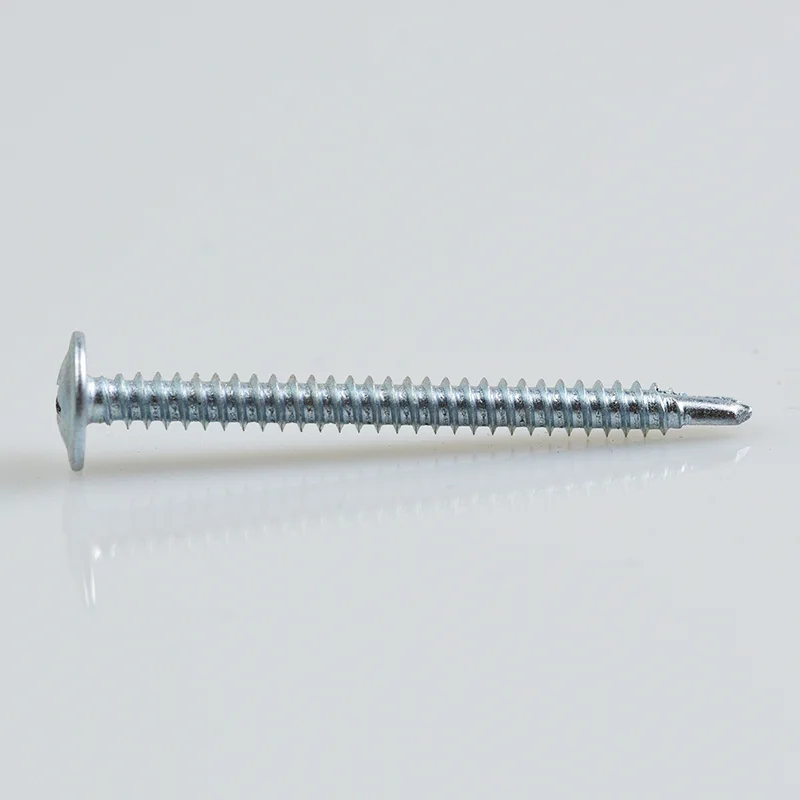
A Firewood Log Splitter Drill Bit is typically sourced by matching the bit material, diameter, thread design, shank configuration, and intended wood-splitting application. For B2B purchasing, the key is not only finding a product name, but confirming the exact specification range that fits your tools, market, and packaging plan.
Before requesting a quotation, prepare quantity, destination, preferred sizes, custom packaging needs, and any sample requirements. Clear supplier communication helps confirm whether standard models, customized options, or mixed-size bulk orders are suitable.
Start with the core specification list: material, hardness expectations, bit diameter, overall length, thread form, shank type, and compatible drill or power tool requirements. For an operations manager, these details are the fastest way to compare supplier options without relying only on product photos.
Next, define the order structure. Confirm whether you need one size, assorted sizes, branded packaging, neutral cartons, barcode labels, or export-ready packing. If the order supports retail distribution or regional resale, include packaging drawings, carton marking rules, and any market-specific presentation requirements in the RFQ.
For custom options, ask the supplier which elements can be adjusted, such as size range, surface treatment, packaging, logo placement, or set configuration. When preparing a bulk inquiry, share target quantity tiers, sample needs, inspection points, and expected delivery schedule so lead-time answers are easier to compare.
When reviewing replies, look for complete specification confirmation rather than a general price list. A practical supplier response should address material, size, configuration, MOQ, sample timing, packaging method, quotation validity, and shipping information.