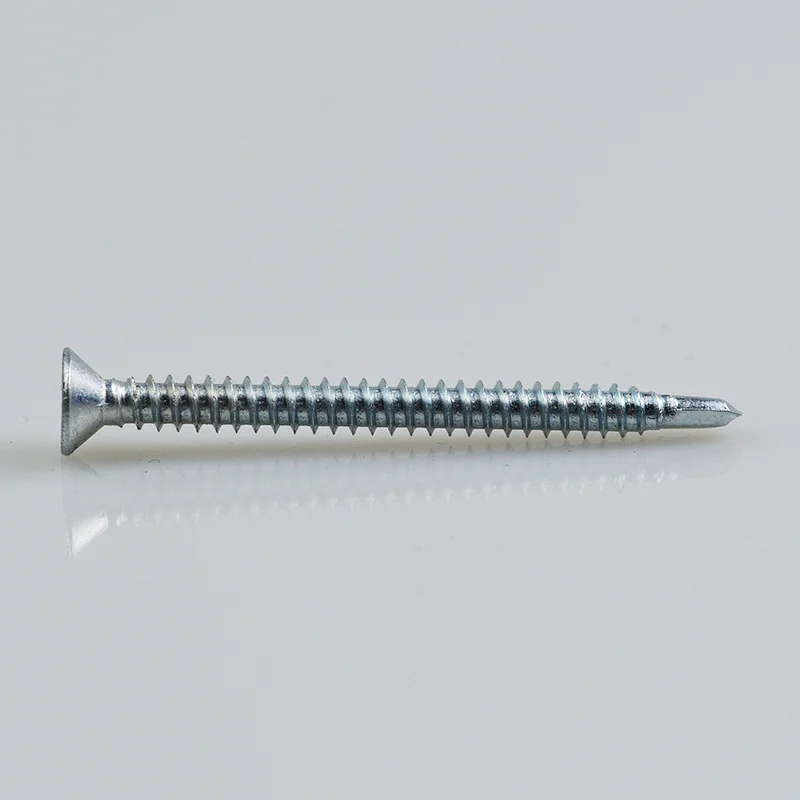
Wood To Metal Self-Tapping Screws are used when a screw must pass through wood and form or engage into metal without relying on a separate nut. Buyers should confirm the metal thickness, wood thickness, required holding strength, drive type, head style, coating, and installation method.
For bulk purchasing, the best next step is to send a structured inquiry with drawings, photos, sizes, quantity range, destination, packaging needs, and any sample requirements. Clear specifications help the supplier confirm application fit and respond with more useful options.
Start with the application stack-up: wood type, metal thickness, pilot hole condition, exposure environment, and assembly method. These details help narrow the choice of thread form, point configuration, screw length, head type, and surface treatment.
Next, build a specification checklist for the RFQ. Include material grade, diameter, length, head style, drive recess, finish, washer requirement, packaging format, carton labeling, pallet needs, and any drawing or standard that must be followed.
For quality review, ask how dimensions, thread consistency, surface finish, and packaging are checked before shipment. If your order is for export or repeat purchasing, clarify sample approval, inspection documents, batch traceability expectations, and communication steps for any nonconforming items.
When comparing suppliers, look beyond the unit price. A useful supplier response should confirm application fit, point out missing technical details, explain available custom options, and provide clear lead time, MOQ, payment, packing, and after-sales support information.