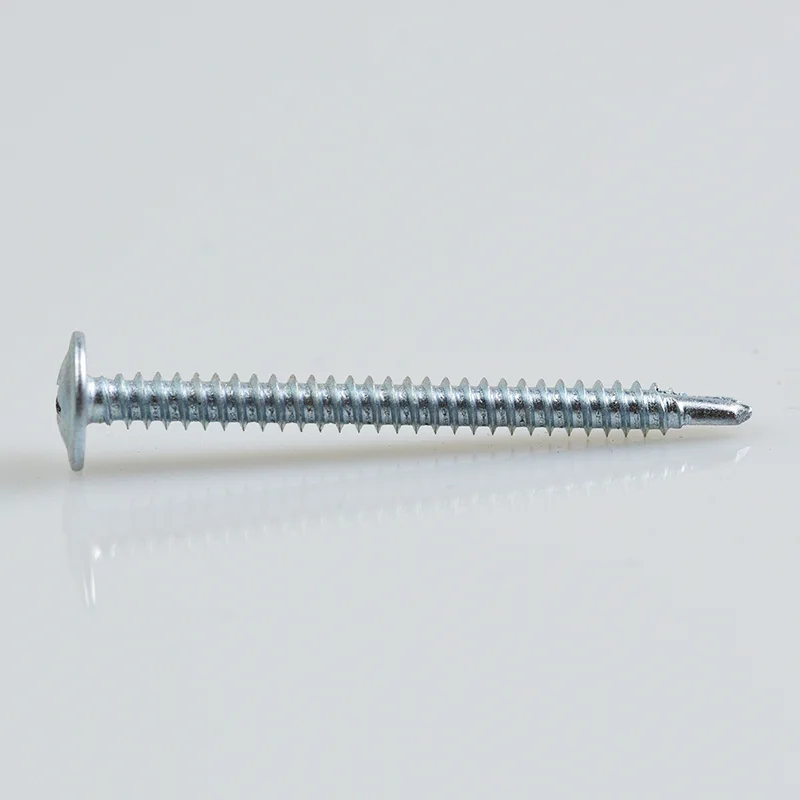
Countersink Wood Drill Bits are sourced by matching the bit design, size range, material, and finish to the wood application and required screw seating result. Buyers should also confirm packaging, labeling, and any custom options before requesting pricing.
For B2B evaluation, the strongest RFQ includes drawings or reference samples, expected order quantity, inspection requirements, delivery destination, and after-sales communication needs. This helps suppliers respond with practical, comparable information.
Begin with the intended use. A product development team should define the wood type, screw compatibility, countersink angle or profile expectations, and whether the bit will be sold individually, in sets, or as part of a tool kit.
Review quality inspection points before shortlisting suppliers. Useful checks may include dimensional consistency, surface condition, cutting edge finish, shank fit, coating appearance, packaging accuracy, and batch documentation. Ask which details can be confirmed through samples or pre-shipment inspection.
Prepare the RFQ with clear commercial and technical details. Include target quantity, sample needs, destination, packaging format, branding requirements, and the timeline for product launch. If custom options are needed, provide drawings, photos, or benchmark products.
When comparing supplier replies, look beyond unit price. Strong communication, clear specification confirmation, practical after-sales support, and willingness to discuss inspection records can make bulk order preparation more reliable.