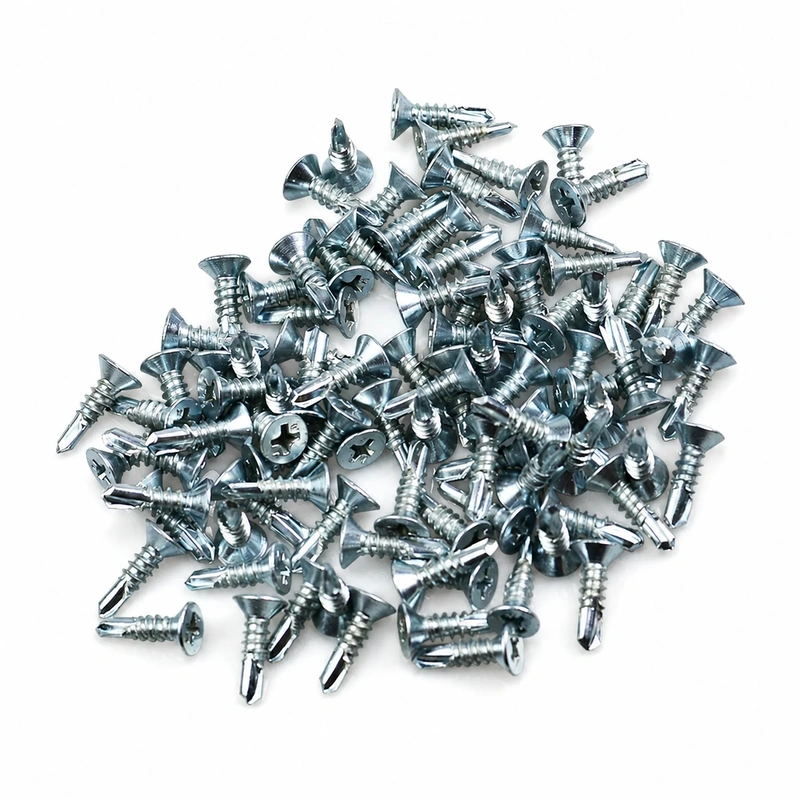
A Dacromet Hex Head Self-Drilling Screw is typically sourced by matching the screw size, drilling point, head style, coating requirement, and application environment with the project specification. For B2B sourcing, the key is to confirm both the product details and the inspection documents needed for internal approval.
Before requesting a quotation, prepare drawings or target dimensions, quantity range, packaging needs, destination, and sample expectations. This gives the supplier enough information to respond with relevant options instead of a general product list.
Start with the application. For a new product line, define where the screw will be used, what material it will fasten into, and whether the hex head, self-drilling point, and Dacromet finish are fixed requirements. If your team is comparing related products, note which details can be adjusted and which must remain unchanged.
Next, prepare the technical information for review. Useful RFQ details include diameter, length, thread type, drilling point style, coating requirement, head dimensions, washer needs, packing method, and estimated order quantity. Drawings, sample photos, or existing part references can reduce back-and-forth communication.
Build quality inspection points into the inquiry. Ask how dimensions, appearance, coating condition, thread quality, drilling point form, packaging, and labeling can be checked before shipment. If your approval process requires documentation, state this early so the supplier can confirm what can be provided.
When comparing supplier replies, look beyond unit price. Check whether the response addresses your specification, sample confirmation process, lead time, packaging consistency, after-sales communication, and support for future repeat orders. A clear reply is often easier for a product development team to evaluate.