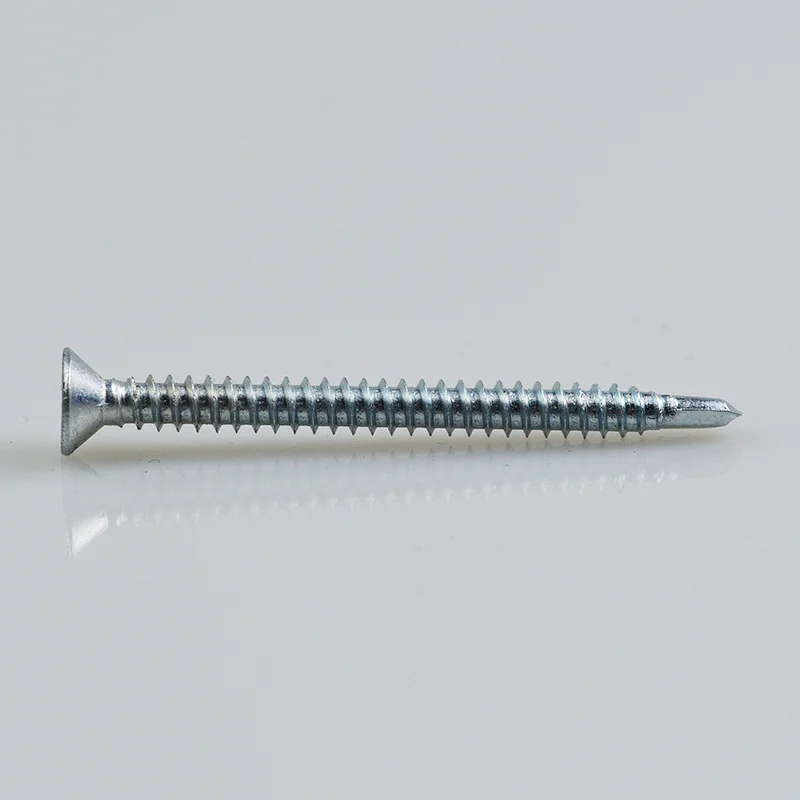
Self-Tapping Deck Screws are used when buyers need deck fastening products that can be specified by size, material, coating, drive type, head style, thread design, and packaging. For replacement sourcing, the first step is to confirm what must match the current product and what can be adjusted.
For a private-label brand owner, the best inquiry includes target specifications, quantity range, destination, packaging format, artwork or label needs, and timing expectations. Clear information helps the supplier respond with a more useful quotation and relevant follow-up questions.
Start by building a product shortlist around the details that affect your replacement item. For Self-Tapping Deck Screws, compare dimensions, head style, drive recess, thread pattern, point type, finish, material, and intended deck application. If you are replacing an existing SKU, share samples, photos, drawings, or packaging references.
Next, separate fixed requirements from flexible preferences. A private-label buyer may need the same retail pack count, carton mark, barcode position, or label layout, while other details may be open to supplier recommendation. This distinction makes communication faster and helps avoid quoting unsuitable products.
Before requesting pricing, prepare the estimated order quantity, shipment destination, required documents, preferred packing method, and target approval schedule. If custom packaging is required, mention whether artwork is ready or whether the supplier should quote based on a standard packing reference first.
When comparing suppliers, look beyond the unit price. Review how quickly each supplier understands the specification, asks practical questions, confirms customization limits, and explains lead-time factors. Fast, specific communication is useful when you are trying to replace a product without slowing down your sales plan.