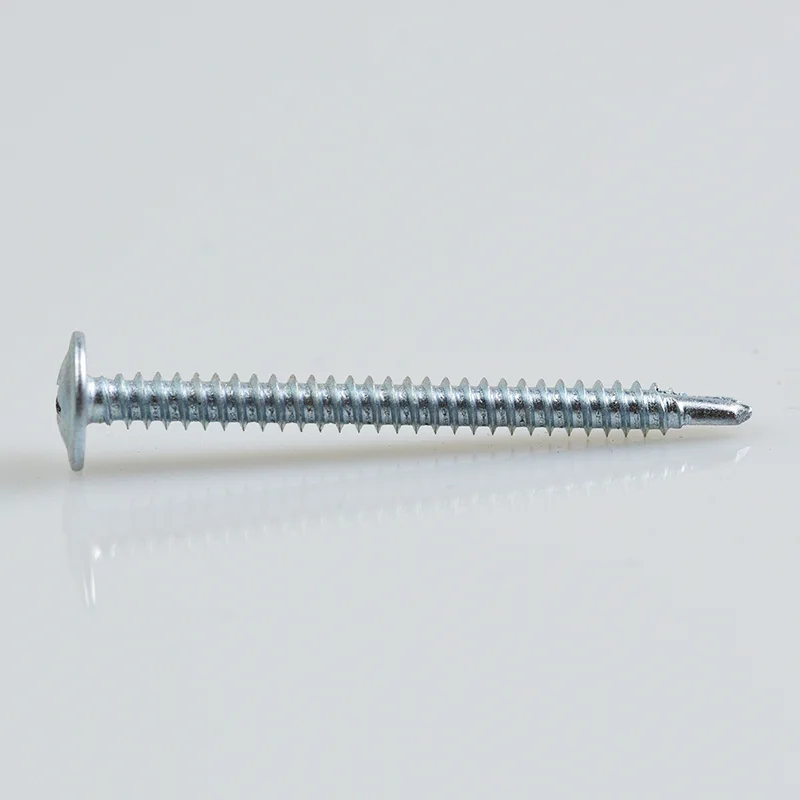
Wood Hole Drilling sourcing should begin with the application: wood type, hole size, installation method, matching fasteners, surface requirements, and expected assembly conditions. These details help a supplier judge whether standard items are suitable or whether customization is needed.
For OEM project planning, the practical answer is to request technical confirmation and samples before approving a bulk order. Share drawings, photos, quantity range, packaging needs, and destination details so the supplier can respond with a relevant product match.
For a procurement manager, the first step is to define where Wood Hole Drilling fits in the finished product or assembly. Clarify the wood material, drilling diameter, depth requirements, load expectations, and whether the related fastener must meet appearance, corrosion resistance, or installation efficiency needs.
Next, turn those requirements into a sourcing checklist. Compare available sizes, materials, coatings, head styles, thread forms, packaging options, labeling needs, and any OEM customization. If your project has drawings or sample references, include them early to reduce back-and-forth communication.
Before confirming a quotation, ask how samples will be prepared, checked, and approved. Useful questions include whether dimensions can be measured against drawings, whether finish and packaging can be reviewed, and what changes are possible before production starts.
When comparing suppliers, look beyond unit price. A suitable partner should understand the application, answer technical details clearly, support quality checks, and provide after-sales communication if order adjustments, documentation, or repeat shipment planning are required.