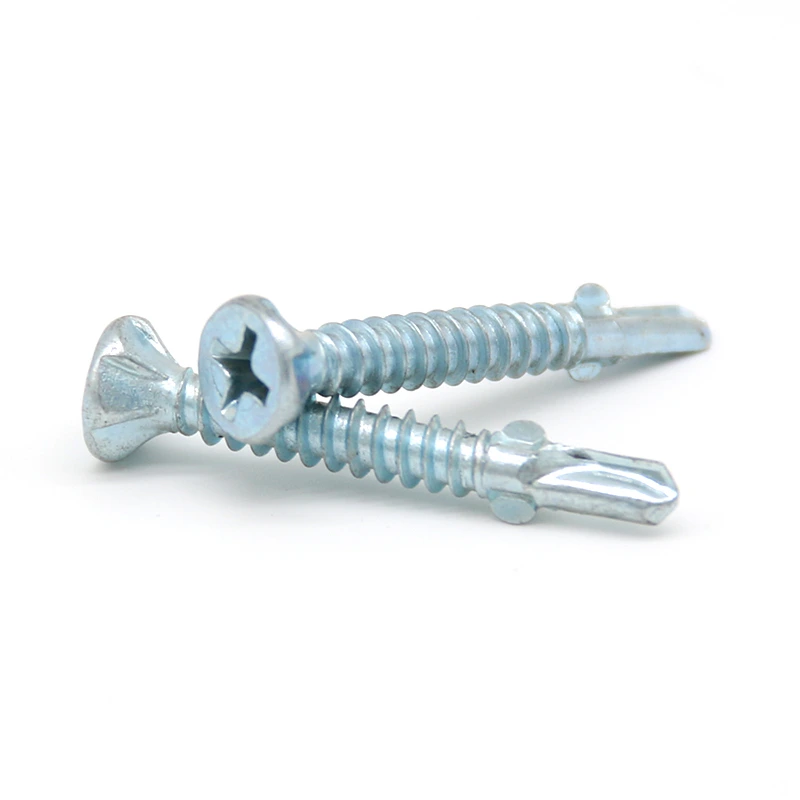
1 1 2 Drill Bit For Wood is typically evaluated by size accuracy, intended wood application, shank style, cutting design, packaging needs, and compatibility with the buyer’s target product range.
For B2B sourcing, the best next step is to share usage context, expected order volume, inspection requirements, and any custom options so the supplier can respond with relevant specifications and quotation details.
Begin by confirming how the drill bit will be used in the new product line. Your team should define the wood type, drilling depth, tool compatibility, finish expectations, and any size tolerance concerns that may affect customer use.
Prepare a clear RFQ with the required diameter, shank type, material preference, surface treatment, packaging format, labeling needs, and target quantity. If you are comparing several related items, include a specification table to reduce back-and-forth communication.
For quality review, ask what inspection points can be documented before shipment. Common discussion areas include dimensional checks, visual inspection, packaging confirmation, sample approval, and consistency between sample and bulk order.
When shortlisting suppliers, compare how clearly they answer technical questions, how they handle custom requests, and whether their after-sales communication process fits your internal approval workflow.