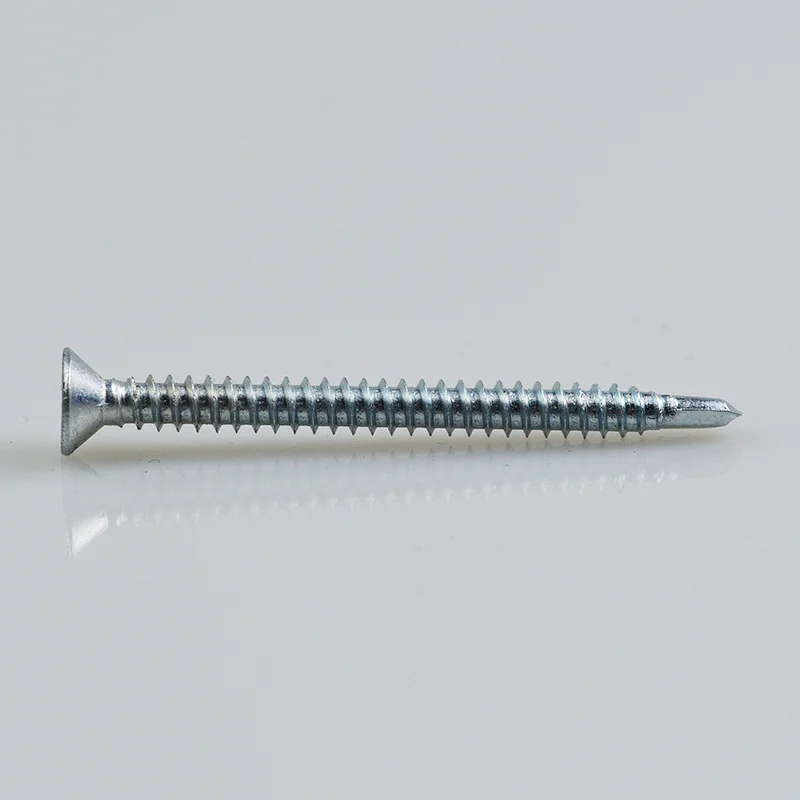
A 1 2 Inch Drill Bit For Wood should be sourced by checking the intended wood application, shank type, cutting style, material details, packaging format, and available customization options. For B2B purchasing, the best starting point is a clear RFQ that explains use case, quantity range, market destination, and packing expectations.
If you are building a supplier shortlist, compare how each supplier responds to specification questions, sample requests, carton or case requirements, and export handling details. A practical answer should help reduce ordering risk, not just provide a unit price.
Start with application fit. Confirm the type of wood, drilling depth, required hole quality, compatible tools, and any job-site or resale requirements. If the drill bit will be included in a kit, retail pack, or distributor range, share that context with the supplier from the first message.
Plan customization before asking for final pricing. Import distributors may need specific packing styles, barcode labels, carton marks, logo options, instruction sheets, or mixed-size assortments. Clear packing and labeling requirements help the supplier judge feasibility and prepare a more useful quotation.
For bulk order preparation, provide estimated order quantity, sample needs, destination port or country, inspection expectations, and target delivery window. Ask whether the supplier can support consistent packing across repeat orders and how they communicate changes in production or shipment preparation.
When comparing suppliers, do not rely only on the lowest quoted price. Review response speed, question quality, specification clarity, sample process, after-sales communication, and export document readiness. These factors can reduce risk when the order moves from shortlist review to purchase order.