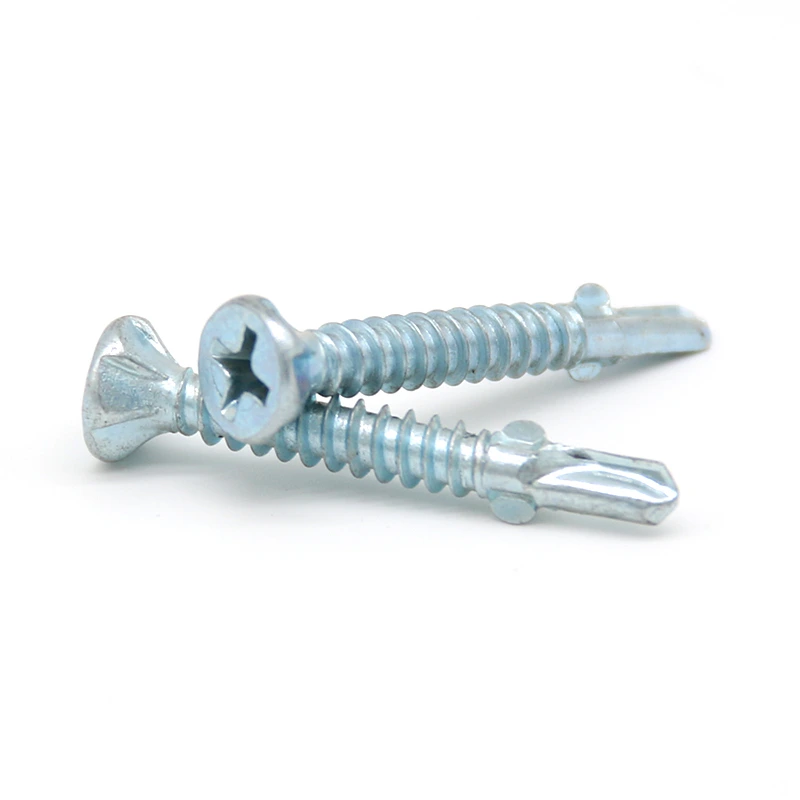
Drilling Holes Into Wood should be evaluated by the product’s intended use, size requirements, material, surface treatment, installation method, and whether samples can be checked before bulk ordering. For OEM projects, the best choice depends on both technical fit and how well the supplier can support customization.
Before sending an inquiry, prepare drawings, photos, target quantity, packaging requirements, destination, and any sample approval steps. This helps the supplier compare related options and provide a more useful quotation.
Start with the application. Explain whether the product will be used for furniture, timber assembly, fixtures, packaging, or another wood-related project. Include wood type, hole size expectations, fastening method, and whether the final appearance is important. These details help narrow the product range before pricing.
Then check the customization scope. Procurement managers should confirm available dimensions, materials, finishes, head types, drive types, packaging formats, labels, and carton requirements. If the project needs OEM branding or market-specific packaging, share those details early so they can be reviewed with the quotation.
Sample approval should be planned before bulk order confirmation. Ask what sample information is required, how samples will be marked, and whether the supplier can follow the same specification in mass production. If several related products are being compared, keep one comparison sheet for size, finish, packing, and expected lead time.
For quotation accuracy, provide order quantity, delivery destination, expected timeline, inspection needs, and any export document requirements. Clear RFQ information reduces back-and-forth communication and makes it easier to compare supplier responses on a practical basis.