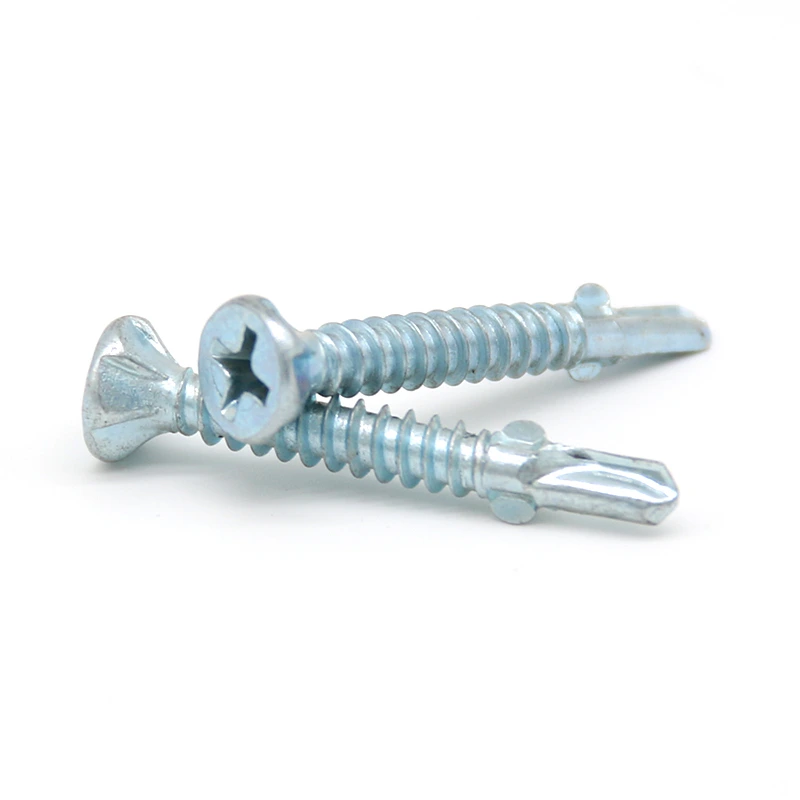
Drilling Holes Into Wood usually requires matching the hole purpose, material thickness, fastener type, finish requirements, and production method. For B2B sourcing, the best first step is to define the application clearly, then compare related hardware or fastening products by specification and quality control needs.
For an RFQ, include drawings or photos if available, target quantity, sample expectations, packaging needs, destination, and any inspection documents your team requires. This helps the supplier respond with practical options instead of a general product list.
Begin with the product development context. Clarify whether the wood component is for furniture, construction accessories, display fixtures, packaging support, or another assembly use. Note the wood type, board thickness, hole diameter, pilot hole requirements, and whether the drilled area will carry load, receive screws, or support visible hardware.
When shortlisting related products, compare dimensions, material grade, surface treatment, thread type, head style, installation method, and compatibility with drilled wood parts. If the project is still in the design stage, ask which specifications are standard and which require customization, tooling, or sample confirmation.
Quality review should be built into the RFQ. Request inspection points such as dimensional checks, surface review, thread consistency, coating appearance, packaging condition, and sample approval process. If documentation is important, state whether you need photos, inspection records, material references, or shipment-related documents.
For supplier comparison, look beyond unit price. Check how clearly each supplier answers technical questions, whether they can review drawings, how they handle sample feedback, and what after-sales support is available if specification or packaging issues appear after delivery.