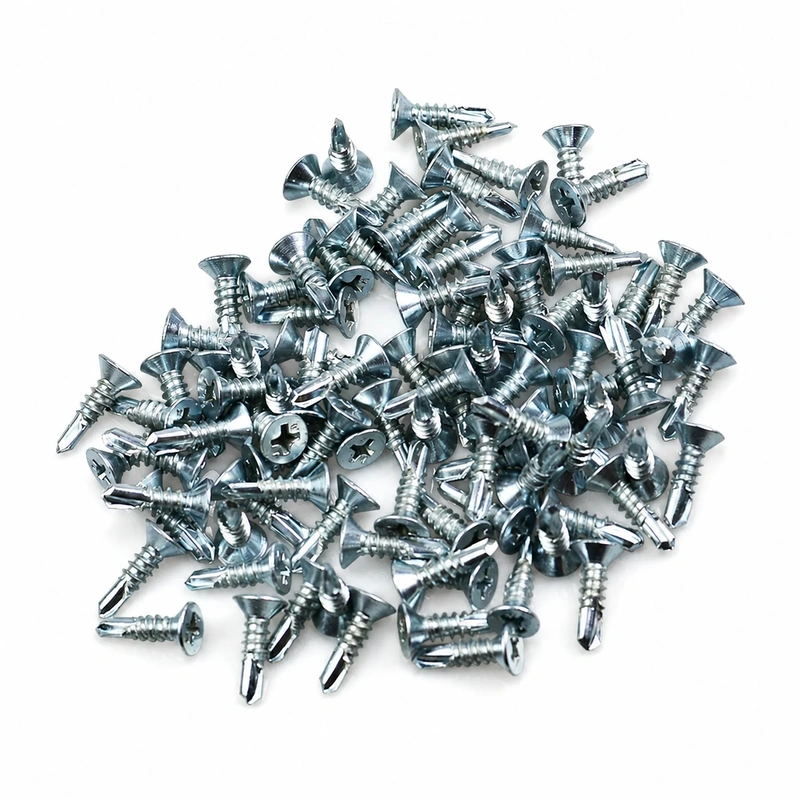
A Hex Wood Screw is typically selected for wood fastening applications where a hex head or hex drive configuration is preferred for installation access, torque control, or assembly workflow. For B2B purchasing, the key is to confirm the material, diameter, length, thread type, coating, head design, and packaging requirements before requesting pricing.
If you are comparing suppliers, do not rely only on a product name. Share drawings, samples, photos, target use, order volume, destination, and inspection expectations so the supplier can check whether the specification matches your application and export order needs.
Start with the application. Confirm whether the Hex Wood Screw will be used in furniture, timber structures, pallets, outdoor wood products, or another assembly. The use environment helps define the required material, surface treatment, thread form, and corrosion-resistance expectations.
Then prepare the specification list. Include diameter, length, head size, drive type, point style, thread coverage, finish, tolerance expectations, and any standard or drawing reference. For bulk purchasing evaluation, even small differences in configuration can affect installation efficiency and order consistency.
Ask the supplier how quality checks are handled before shipment. Useful questions include how dimensions are checked, how surface finish is reviewed, whether samples can be supplied, and how packaging is confirmed for export. Clear inspection communication reduces misunderstandings during repeat orders.
When comparing quotations, review more than unit price. Check lead time, MOQ, carton or bulk packing options, labeling needs, custom size availability, document support, and after-sales communication. A practical supplier response should help you confirm fit, not just send a general catalog.