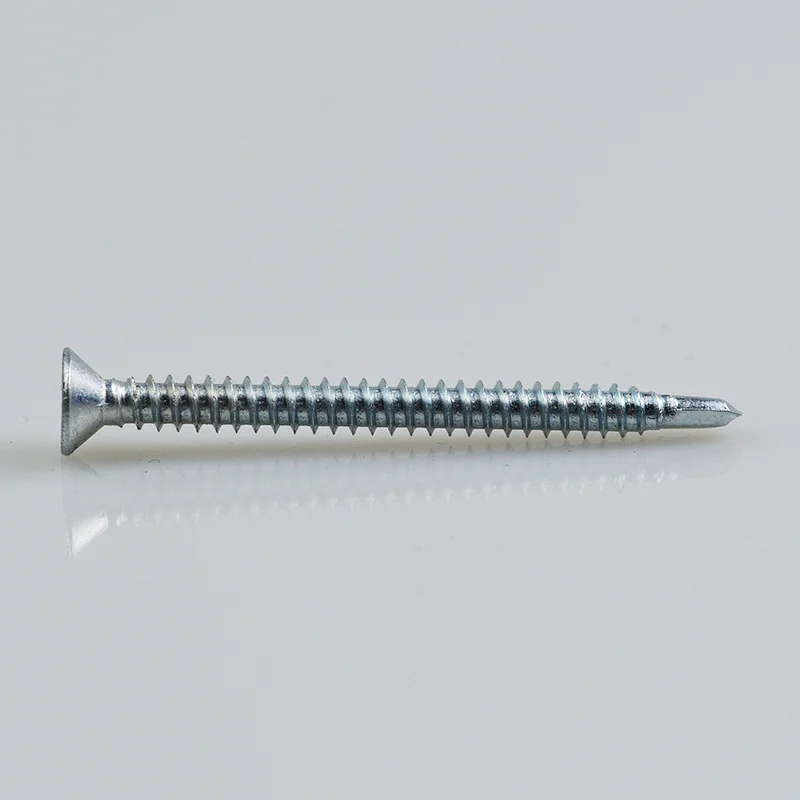
Metal Self-Tapping Screws are selected by matching the screw type, size, material, finish, and thread design to the metal application. For B2B sourcing, the best inquiry should include usage details, quantity range, drawings or samples, destination, and packaging needs.
If you are preparing an export order, ask the supplier to confirm application suitability, sample availability, inspection points, and how after-sales questions are handled. This makes the quotation process more accurate and easier to compare.
Start with the application. Tell the supplier what metal thickness, assembly method, installation tool, and working environment the screws will face. If you are comparing related products, explain whether the order needs drilling performance, fastening strength, surface appearance, corrosion consideration, or a specific head style.
Prepare technical details before requesting pricing. Useful RFQ information includes diameter, length, head type, drive type, thread form, material, surface finish, quantity range, packaging method, labeling needs, and destination port or country. Photos, drawings, or current sample references can help reduce back-and-forth communication.
For sample confirmation, ask whether the sample will match the quoted specification, finish, and packaging style. Clarify sample lead time, approval steps, and whether changes can be made after testing. Factory purchasing teams should also record installation feedback so the supplier can help check application fit.
When comparing supplier replies, look beyond the unit price. Review how clearly each supplier answers technical questions, quality check requests, packaging concerns, and after-sales support expectations. A practical response should help you understand what will be supplied and how order issues will be communicated.