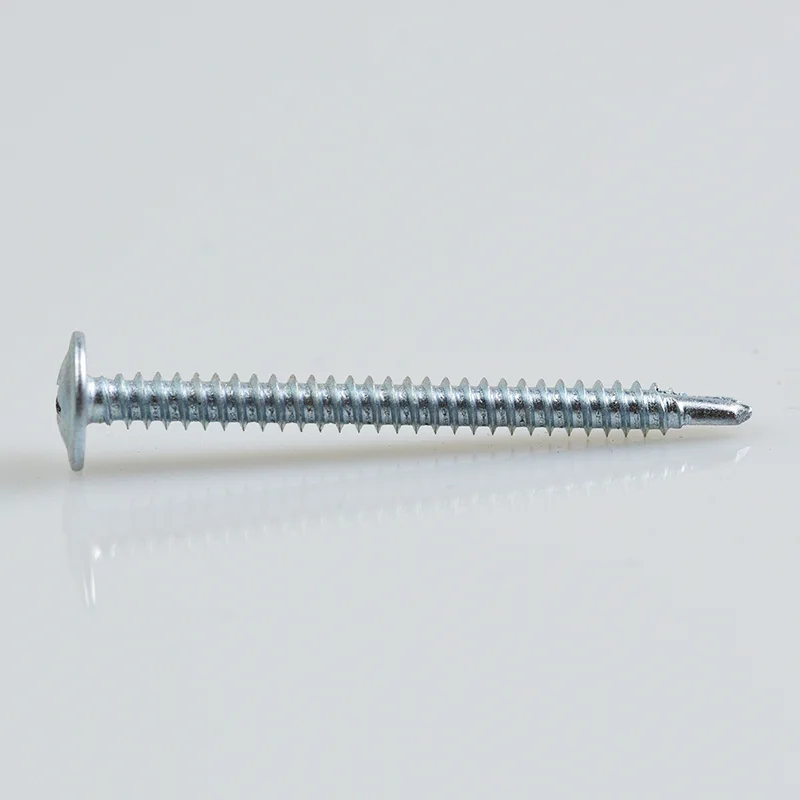
Milwaukee Wood Drill Bits are typically evaluated by drilling application, size requirements, material compatibility, shank type, finish expectations, packaging format, and order quantity. For a product development team, the main goal is to confirm whether the selected items match the intended product line and quality review process.
Before requesting pricing, prepare target specifications, inspection concerns, sample requirements, and any custom packaging or labeling needs. Clear RFQ details help suppliers respond with more relevant options and reduce repeated clarification during sourcing.
Start with the application profile. Define the wood type, drilling depth, hole diameter range, tool compatibility, and whether the bits are intended for professional, retail, or project-based use. This helps your team check if the proposed Milwaukee Wood Drill Bits fit the product concept before moving into quotation details.
Build a quality review checklist for the RFQ stage. Include dimensions, edge condition, coating or surface finish, shank consistency, packaging integrity, labeling accuracy, and any documentation required for internal approval. If samples are needed, state how they will be checked and who will approve them.
For custom options, explain the expected packaging style, set configuration, branding references, carton requirements, and target market. Drawings, photos, benchmark samples, or specification sheets can make supplier communication more efficient and reduce mismatched proposals.
When comparing supplier replies, look beyond the unit price. Review how clearly each supplier answers technical questions, confirms inspection points, explains sample timing, and supports after-sales communication for bulk order preparation. A detailed response is often more useful than a generic catalog list.