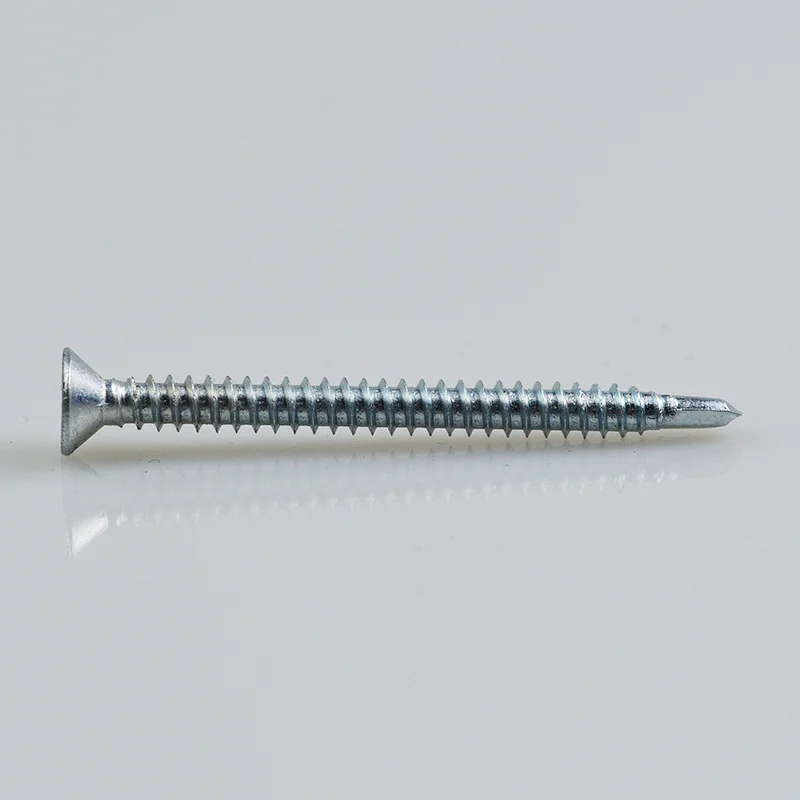
Self Tapping Screws At Home Depot is often searched by buyers who need a quick reference for available screw styles, but B2B projects usually require deeper confirmation. Check the application material, load requirements, corrosion environment, installation method, and any dimensional limits before choosing a product direction.
If you need custom branding, stable packaging, or repeat project supply, send a clear specification checklist to the supplier. Include drawings, photos, target finish, quantity range, inspection needs, and sample requirements so the response is practical and comparable.
Begin with the application. Confirm whether the screws will be used in metal, plastic, wood, sheet panels, equipment assembly, or another substrate. Share the installation conditions, pilot hole expectations, and any failure risks you want to avoid. This helps the supplier assess whether a standard item or a custom specification is more suitable.
Build a checklist before requesting prices. Include diameter, length, thread type, point type, head style, drive type, material, surface finish, hardness requirement, packaging method, and labeling needs. If brand customization is required, define logo use, carton marks, bag labels, barcode needs, and documentation expectations early.
For sample confirmation, ask what can be checked before mass production. Useful points include dimensions, appearance, coating, drive fit, thread quality, packaging layout, and matching against drawings or reference samples. Clear sample approval reduces the chance of changes after production has started.
When comparing suppliers, do not evaluate only the unit price. Review communication speed, technical follow-up, quality check process, after-sales support, and consistency for repeat orders. A supplier that asks detailed questions can help reduce project risk and improve long-term sourcing control.