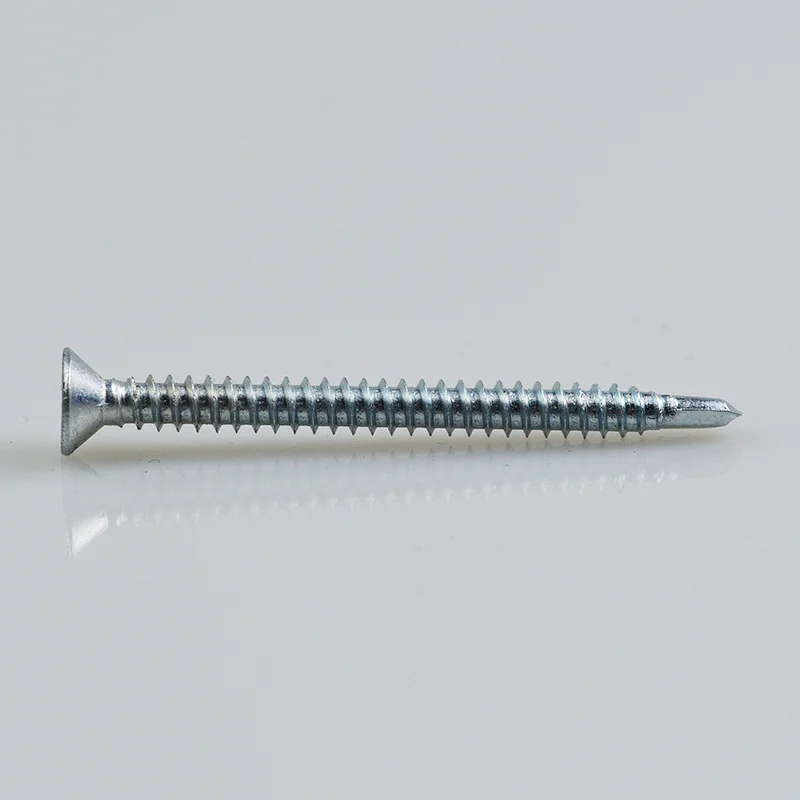
Self-Tapping Screws Meaning refers to screws designed to create or cut their own thread as they are driven into a pre-drilled or suitable base material. In sourcing, the meaning is useful because it separates these screws from standard machine screws that usually require a pre-existing threaded hole.
For replacement purchasing, the key is not only the name. Buyers should confirm the application material, screw dimensions, head and drive type, point style, finish, packaging, and order volume so the supplier can match or recommend the closest product option.
Start your sourcing request by explaining what the screw is replacing. Share the application material, installation method, sample photos, drawings, or an existing specification if available. This helps avoid long back-and-forth communication and gives the supplier a clearer basis for checking suitable self-tapping screw options.
Build a shortlist around the details that affect fit and quotation speed: diameter, length, thread style, head type, drive type, point type, material, surface treatment, and any private-label packaging requirement. If exact specifications are not confirmed, separate must-have details from adjustable details.
For bulk order preparation, include estimated quantity, destination, delivery expectations, carton or inner-box preferences, label requirements, and whether samples are needed before production. If your brand needs consistent replacement supply, ask how specifications, packaging, and inspection notes can be kept aligned across repeat orders.
When comparing suppliers, look at how quickly and clearly they respond to your specification list. A useful reply should confirm what can be supplied, what needs clarification, what affects lead time, and what information is required for an accurate quotation.