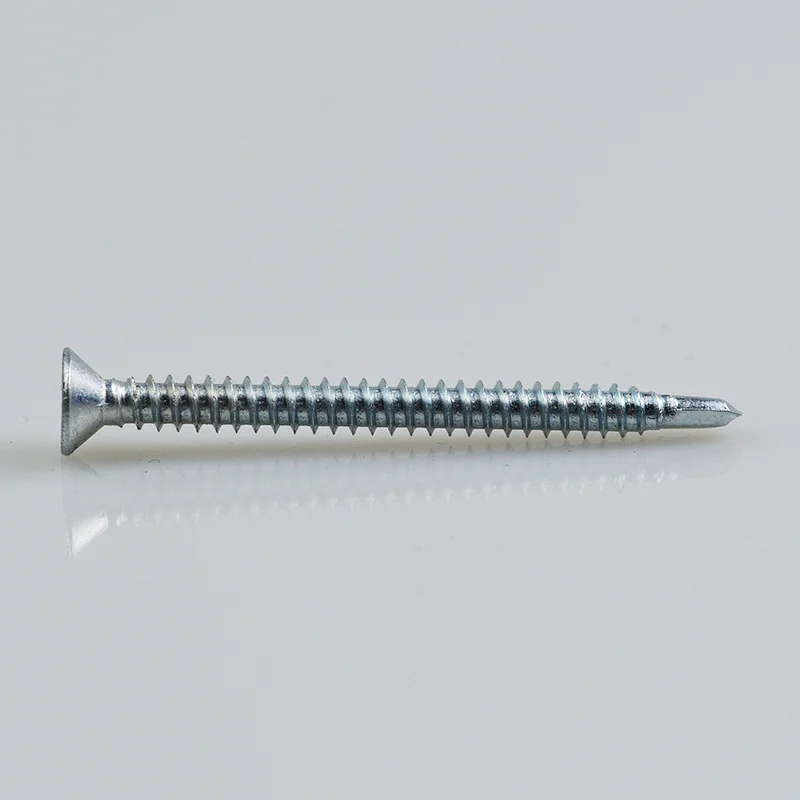
Steel Self-Tapping Screws are used when the screw needs to form or cut its own mating thread during installation. For B2B sourcing, the right choice depends on material, head type, drive type, point style, coating, size range, and the working environment.
If your project needs custom packaging, branding, or consistent repeat supply, share drawings, samples, quantity expectations, destination, and approval requirements. This helps the supplier confirm whether the specification can be matched before pricing is finalized.
Start with the application details. Confirm the base material, installation tool, pilot hole requirement, load expectations, and whether appearance or corrosion resistance is important. These details help prevent choosing a screw that looks correct but does not match the assembly process.
Prepare a specification checklist before requesting a quote. Include diameter, length, head style, drive, thread type, point type, material, finish, tolerance needs, packing method, label requirements, and any logo or brand customization. If you have an existing sample, send photos and key measurements.
For project consistency, ask how samples will be confirmed before bulk production. Clarify whether the quotation is based on drawings, samples, standard specifications, or a modified design. Also confirm carton details, inner packing, pallet requirements, and shipping marks if your warehouse or customer has fixed rules.
When comparing suppliers, do not focus only on unit price. Review whether each response answers your technical questions, states lead-time assumptions, and identifies missing information. Clear communication at the inquiry stage reduces the risk of rework, delays, and mismatched packaging later.