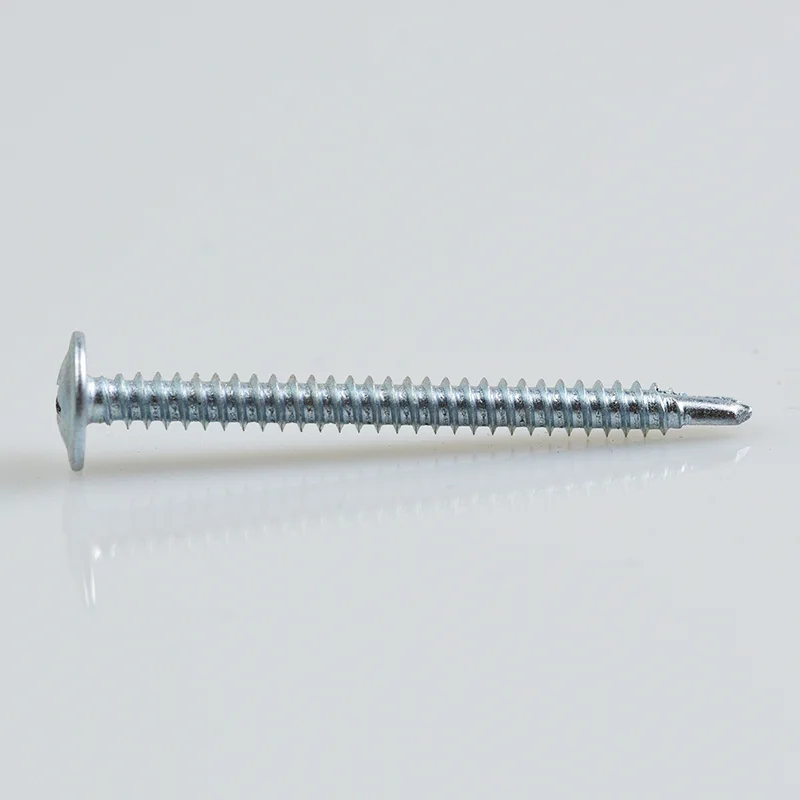
A Wood Countersink Drill is typically sourced by matching the drill style, size range, material needs, shank type, and intended wood application. Buyers should also confirm whether the supplier can support private-label packaging, custom sets, or specification adjustments.
For replacement sourcing, send photos, drawings, previous order details, or sample references if available. The clearer the request, the easier it is to compare quotations, lead-time answers, and follow-up communication between suppliers.
Start with the product you need to replace. Note the countersink angle, drill diameter, shank style, overall length, finish, and any set configuration. If the previous item performed well, include its key specifications. If it caused complaints, explain the issue so the supplier can avoid repeating it.
For a private-label project, confirm custom options early. Ask about logo use, color box or blister card requirements, barcode placement, instruction inserts, assortment layouts, and carton markings. Packaging details can affect quotation structure, sample approval, and production planning.
Prepare quotation information before contacting suppliers. Share estimated order quantity, destination country, preferred trade terms, target delivery window, and whether samples are required before bulk order approval. This helps the supplier respond with fewer delays and makes each quotation easier to compare.
When reviewing replies, look beyond unit price. Compare how quickly each supplier answers technical questions, whether they ask for missing details, and how clearly they explain lead time, packaging preparation, and customization steps. Good communication is important when building a replacement sourcing shortlist.