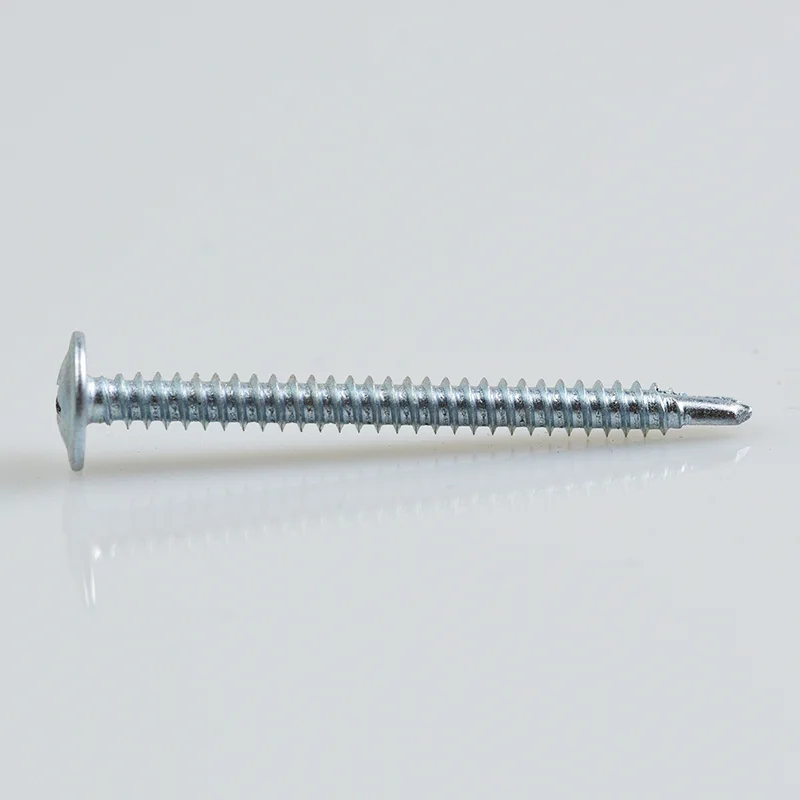
Wood Drill Bit Types are commonly compared by application, cutting structure, size range, shank style, material suitability, and whether the product matches manual tools, electric drills, or production use.
For export order preparation, buyers should confirm samples, technical details, inspection points, packaging, and support questions before final quotation. A useful RFQ should explain the application, quantity range, destination, and any related products being considered.
Start by describing where the drill bits will be used and what type of wood or panel material is involved. Include hole diameter, drilling depth, tool type, and whether the order is for production, installation kits, retail packaging, or maintenance use.
When comparing Wood Drill Bit Types, review the cutting head design, flute form, shank compatibility, size tolerance needs, surface finish, and packaging method. If you are unsure which type is suitable, send photos, drawings, or sample references so the supplier can compare related options.
For sample confirmation, ask how the sample will represent the bulk order, including size, finish, labeling, and packaging. Purchasing teams should also define which quality checks matter, such as visual condition, dimension confirmation, and basic fit with the intended tool.
Before placing an export order, confirm MOQ, lead time, carton information, shipping marks, documentation needs, and after-sales handling. Clear questions at the RFQ stage help reduce repeated communication during quotation, sample approval, and order follow-up.