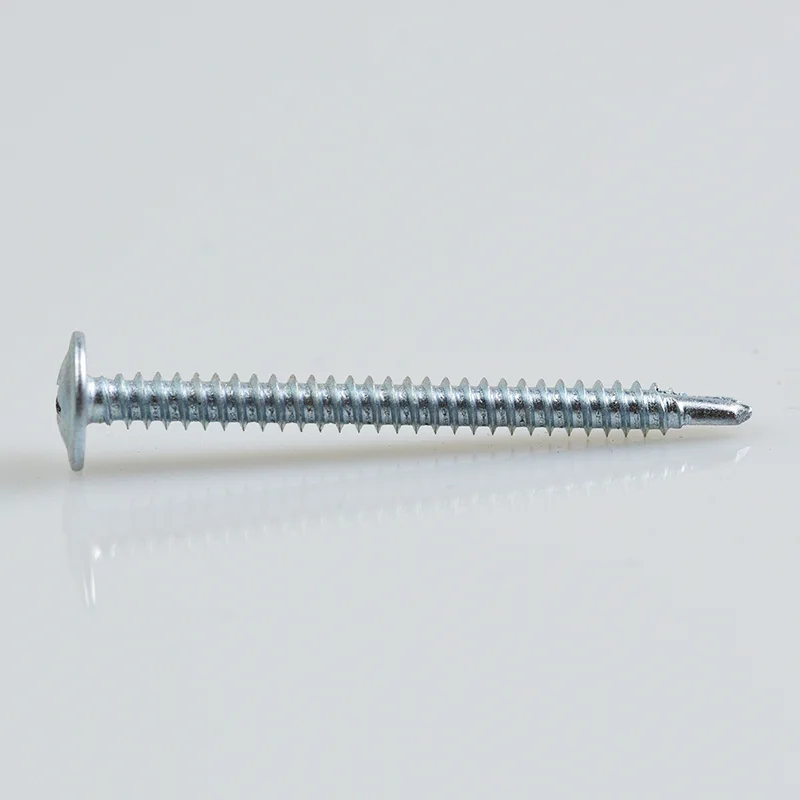
Wood Plug Drill Bits are selected by matching the required plug diameter, drilling depth, shank type, cutting edge design, and compatible wood material. Buyers should also check whether the product is suitable for the intended machine, production volume, and finish expectations.
For bulk purchasing, the best inquiry includes target sizes, quantity range, packaging requirements, sample needs, destination, and any technical details that must be confirmed before approval.
Start with the application details. Confirm the wood type, plug size, required hole appearance, drilling depth, and whether the bit will be used for repair, furniture production, joinery, or general woodworking. These details help the supplier recommend a closer configuration instead of a general catalog item.
Next, list the technical specifications needed for quotation. Include diameter, overall length, shank style, cutting structure, material grade preference, surface treatment if required, and any tolerance or finish expectations. If your team is comparing related products, note how Wood Plug Drill Bits differ from countersink bits, dowel drills, or general wood boring tools in your use case.
Prepare order information before requesting pricing. Share estimated quantity, packaging format, carton marking needs, delivery destination, and expected order schedule. For export orders, ask whether labeling, packing list details, and shipment documentation can align with your internal requirements.
Before confirming a supplier, request samples or detailed photos when needed. Review cutting edge consistency, size accuracy, packaging condition, and communication response quality. A reliable sourcing process should make technical confirmation, sample approval, and repeat order review easy to track.