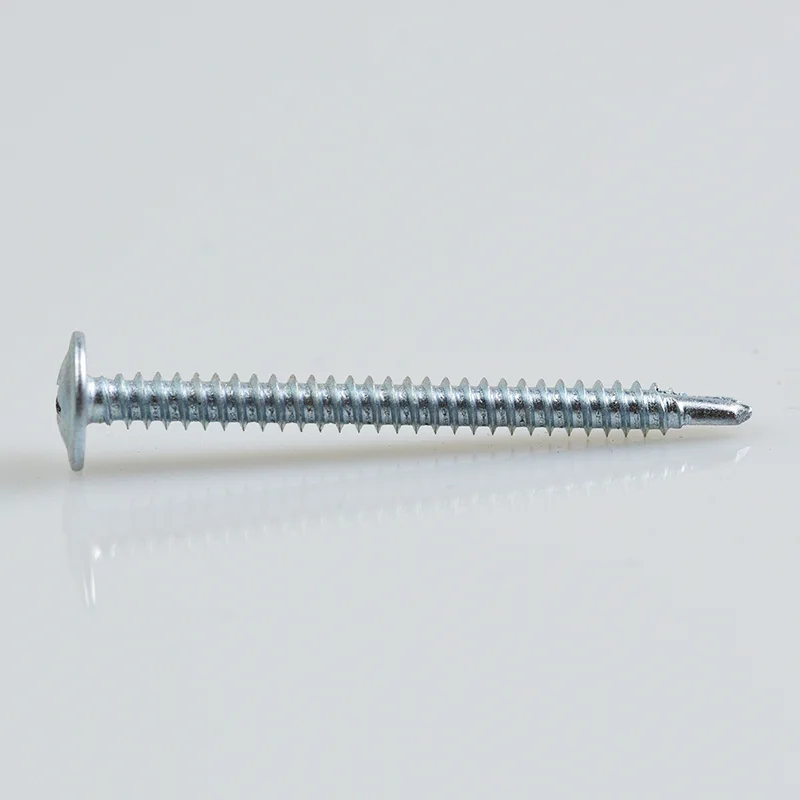
Metal vs Wood Drill Bits are selected according to the material being drilled. Metal drilling usually requires bits designed for harder surfaces and controlled cutting, while wood drilling focuses on clean entry, chip removal, and suitable hole finish.
For RFQ preparation, share the target material, required sizes, expected quantity, packaging needs, and whether samples are needed. This helps the supplier confirm the correct product match and answer installation, usage, and after-sales questions.
Begin with the application details. Confirm whether the bit will be used on steel, aluminum, timber, plywood, composite boards, or mixed materials. Include the drill type, hole depth, working environment, and any finish requirements so the supplier can check whether the selected bit is suitable.
Next, prepare the specification list for export quotation. Useful details include diameter, length, shank type, surface treatment, set composition, packaging format, labeling, carton requirements, and any market-specific documentation. If drawings, photos, or samples are available, provide them early.
For sample confirmation, ask how the supplier will verify size, appearance, packaging, and basic quality checks before mass production. If the order includes several related products, separate the requirements by application to avoid mixing metal-use and wood-use items in one unclear request.
When reviewing supplier replies, look for clear answers to technical details, application fit, inspection steps, delivery schedule, and after-sales support. A useful quotation should help your purchasing team compare more than price; it should also clarify how the order will be produced, checked, packed, and shipped.