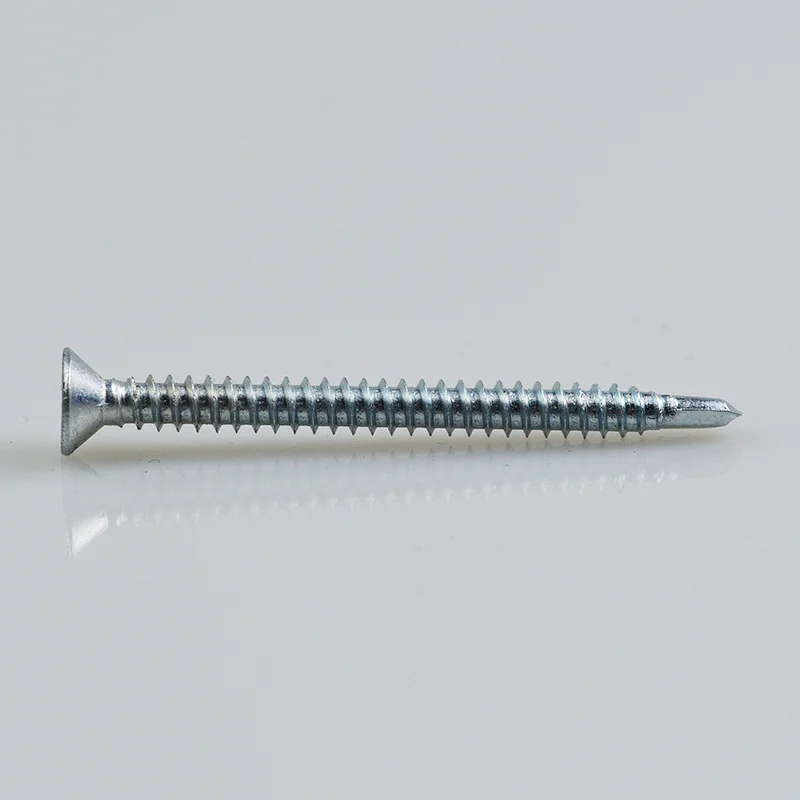
Drilling Jig For Wood is typically sourced by matching the drilling application, workpiece size, hole position needs, and expected usage method with the right jig structure and specification range.
For purchasing teams, the best inquiry includes quantity, destination, sample requirements, drawings or photos if available, customization questions, and after-sales topics such as installation guidance and usage support.
Begin with the application. Explain the wood material, drilling position, hole size requirements, operating environment, and whether the jig is for production, assembly, repair, or project-based use. This helps the supplier check whether standard options are suitable or if adjustment is needed.
Prepare RFQ details before asking for price. Include estimated order quantity, export destination, packaging expectations, sample plan, preferred delivery schedule, and any inspection or documentation requirements. Clear information can reduce repeated clarification during quotation.
Ask practical questions about installation, adjustment, compatible accessories, replacement parts, and daily use. If operators need simple setup or repeatable positioning, describe this in the inquiry so the supplier can respond with more relevant options.
When reviewing supplier replies, compare how well each answer addresses application fit, custom options, lead-time questions, and after-sales communication. A useful response should help your team confirm both product suitability and order process details.