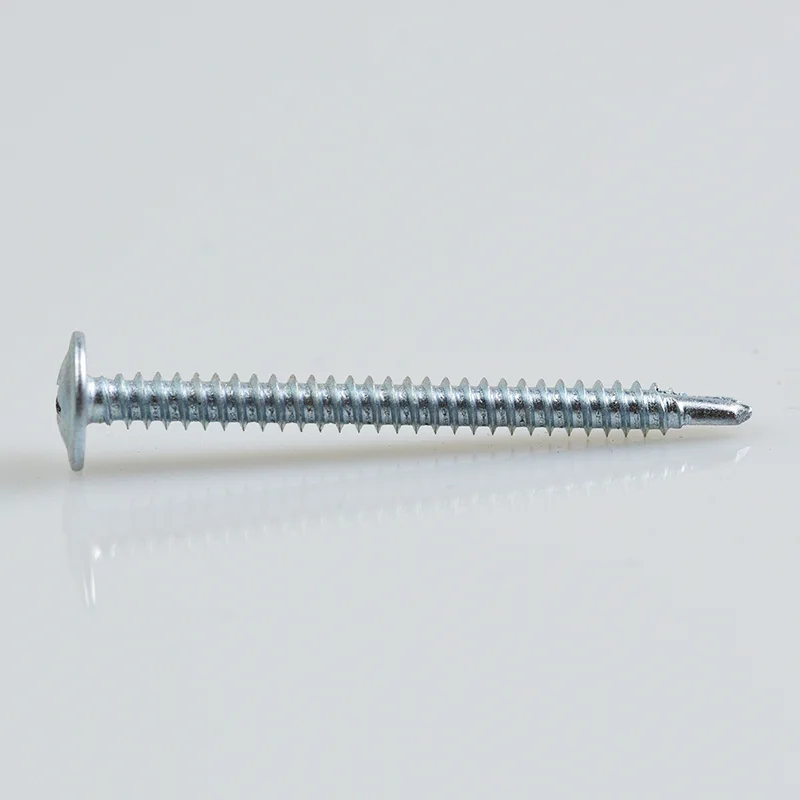
Stuck Drill Bit in Wood usually points to an application or tooling challenge that should be reviewed alongside the fasteners, wood type, pilot hole condition, and installation method. For B2B sourcing, the practical answer is to confirm the use environment, required fastener style, size range, finish, and any custom packaging or branding needs.
Before placing an order, ask the supplier to review samples, drawings, photos, or project notes. This helps align technical details, quality checks, and after-sales expectations before production or bulk purchasing decisions are made.
Start with a specification checklist. Share the wood material, installation process, fastener dimensions, head style, drive type, coating, quantity range, and whether the project requires branded packaging or consistent labeling. These details help the supplier understand the real application behind a Stuck Drill Bit in Wood search.
For custom specification confirmation, prepare reference samples, drawings, photos, or existing product codes if available. A project engineer should also clarify which requirements are fixed and which can be adjusted, such as finish, packing method, carton marks, or accessory combinations.
Request sample confirmation before committing to larger orders, especially when project consistency matters across multiple sites or repeat deliveries. Ask how dimensions, surface finish, packaging, and inspection steps are checked so the approval process is easier to document internally.
When comparing supplier responses, look for practical follow-up questions, not only a price list. Clear communication about application fit, custom options, lead time, and after-sales support helps reduce sourcing risk and improves alignment between engineering, purchasing, and project teams.