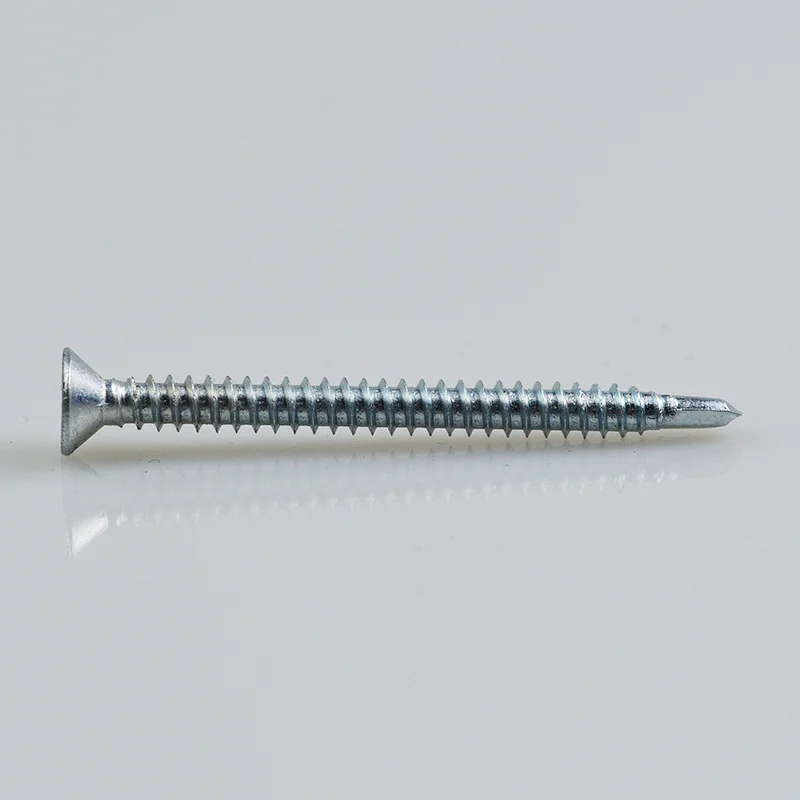
Type B Self-Tapping Screws are commonly sourced by matching the screw specification to the target material, assembly method, finish requirement, and order plan. For custom projects, the key is to confirm dimensions, material, surface treatment, packaging, and any branding details before production.
A clear request should include drawings or samples, usage details, quantity range, destination, and inspection expectations. This gives the supplier enough information to review application fit, prepare samples, and support consistent project delivery.
Start with the application. Confirm the base material, installation method, load or fastening purpose, working environment, and whether the screw must match an existing part. These details help narrow the specification and reduce the risk of choosing a product that looks correct but does not fit the assembly.
Prepare a specification checklist before asking for a quote. Include diameter, length, head style, drive type, thread details, material, coating, color, packaging, label needs, and any brand customization requirements. If available, send drawings, photos, samples, or a current part number for reference.
For sample confirmation, ask how samples are prepared, what details can be checked, and what changes are possible before mass production. Project engineers should also clarify inspection points, packing consistency, carton marking, and documentation needs for internal approval.
When comparing suppliers, look for practical communication. A useful supplier response should confirm technical details, ask relevant follow-up questions, and explain available custom options. This supports project consistency from first sample through repeat orders.