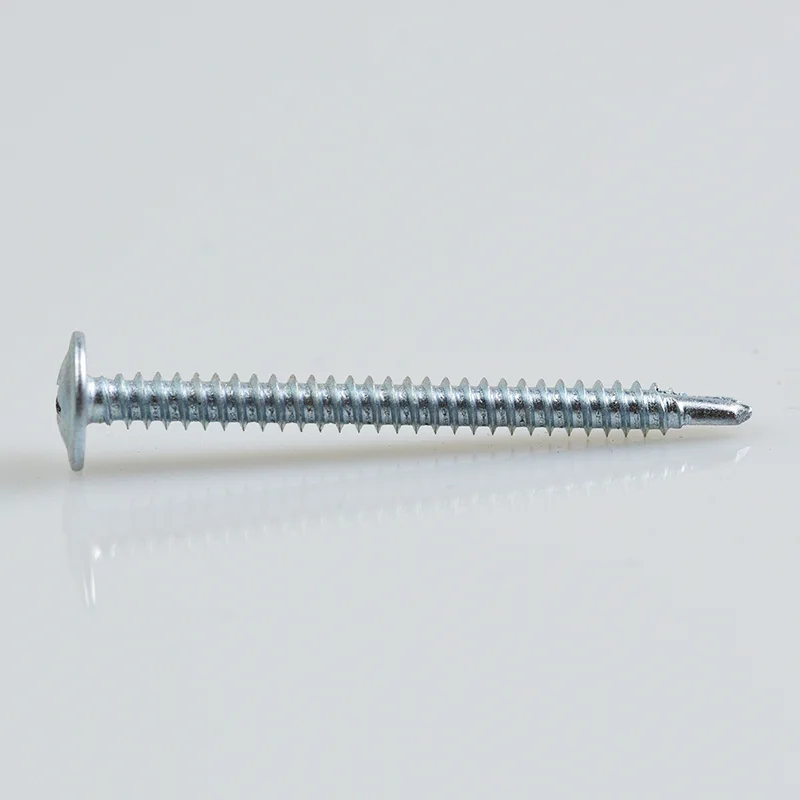
A Wood Auger Drill Bit should be sourced by matching the drilling application, required dimensions, material details, shank type, finish, packaging, and any brand customization needs.
For B2B purchasing, a strong inquiry should include project use, quantity range, target market, sample expectations, and approval requirements so the supplier can confirm fit instead of sending only a general product list.
Start with the application. Confirm the wood type, drilling depth, required hole size, equipment compatibility, and any jobsite or production requirements. These details help narrow the specification before discussing price.
Prepare a checklist for technical confirmation, including diameter, length, flute design, point style, shank type, surface treatment, labeling, packaging, and carton requirements. If the project needs brand customization, share artwork, packing references, or market standards early.
Use samples to reduce project risk. Ask what can be confirmed through a sample, such as dimensions, finish, packaging layout, marking, or general workmanship. Clarify whether the sample is for technical approval, customer presentation, or internal comparison.
When comparing suppliers, review how clearly they answer follow-up questions, how they handle specification changes, and what inspection or after-sales communication process they can support. Consistent communication is important when the order depends on repeatable custom details.