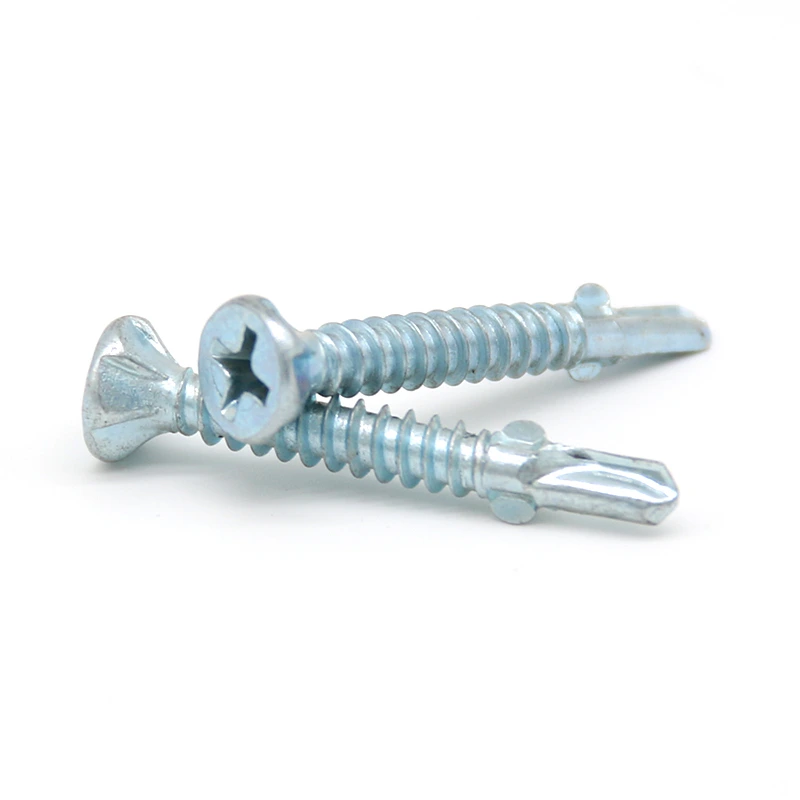
A Wood Drilling Bit should be selected by drilling application, bit material, diameter, length, shank configuration, and compatibility with the intended tool or production process.
For B2B sourcing, the best inquiry includes quantity range, required specifications, packaging expectations, destination, sample needs, and any custom requirements so the supplier can respond with a practical quotation.
Begin with a specification checklist. Confirm the wood type, drilling depth, hole diameter, required finish, tool connection, and whether the bit will be used for manual work, workshop use, or repeated production tasks.
Compare material and structure carefully. Ask about steel grade or coating options when relevant, cutting edge design, shank style, flute configuration, and available size range. These details help avoid mismatches between the Wood Drilling Bit and the actual application.
For bulk purchasing evaluation, prepare the RFQ with order quantity, sample request, target packaging, shipping destination, and inspection expectations. If export orders are involved, also clarify labeling, carton details, and document requirements early.
When reviewing suppliers, check whether their answers address your technical details instead of only sending a price list. Clear communication, sample support, custom option discussion, and after-sales response are useful indicators for long-term purchasing decisions.