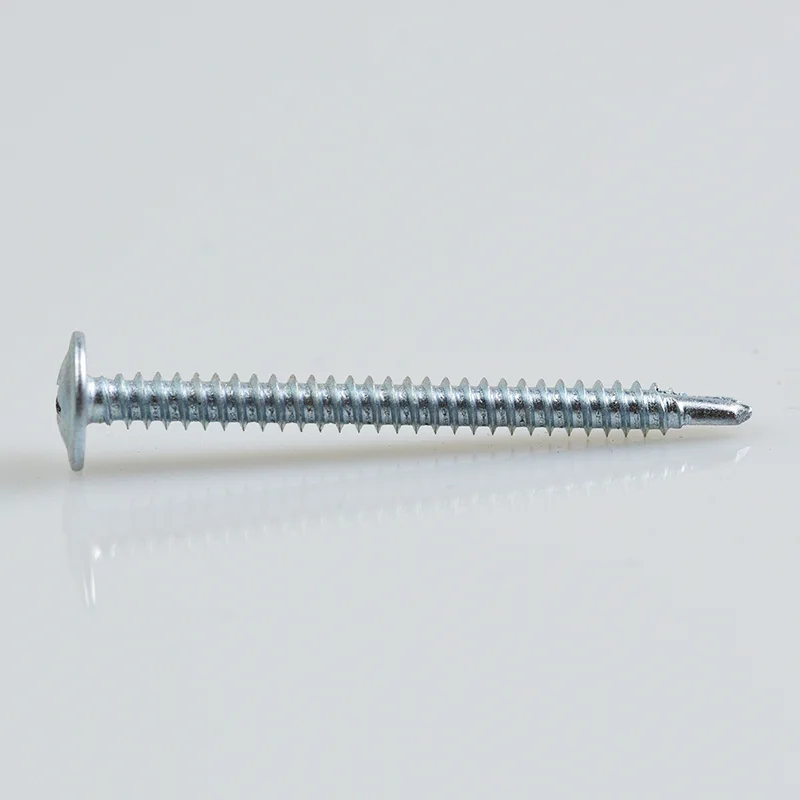
A Wood Splitter Drill Bit should be selected by matching the drill bit configuration to the intended wood-splitting application, equipment type, and order requirements. Key details include material, size range, shank style, head design, and whether custom packaging or labeling is needed.
For bulk sourcing, buyers should prepare quantity, destination, target specifications, sample questions, and any inspection or packing requirements before requesting a quotation. This helps suppliers provide more relevant pricing, lead-time, and customization information.
Start with a specification checklist. Confirm the required Wood Splitter Drill Bit diameter, length, shank configuration, thread pattern, material grade, and surface finish. If your team is comparing several supplier options, keep the same specification format for every inquiry.
Next, review order conditions. Share estimated quantity, packing preference, export destination, labeling needs, and whether samples are required before mass production. For operations managers, these details help clarify cost structure, carton planning, and communication priorities.
Ask direct questions about custom options, available sizes, packaging methods, and lead-time factors. If drawings, photos, or reference samples are available, include them with the RFQ so the supplier can check feasibility and recommend a matching configuration.
When comparing quotations, look beyond unit price. Review whether the supplier answered your technical questions, confirmed packaging requirements, and identified any missing information. A complete reply is often more useful for bulk order preparation than a simple product list.