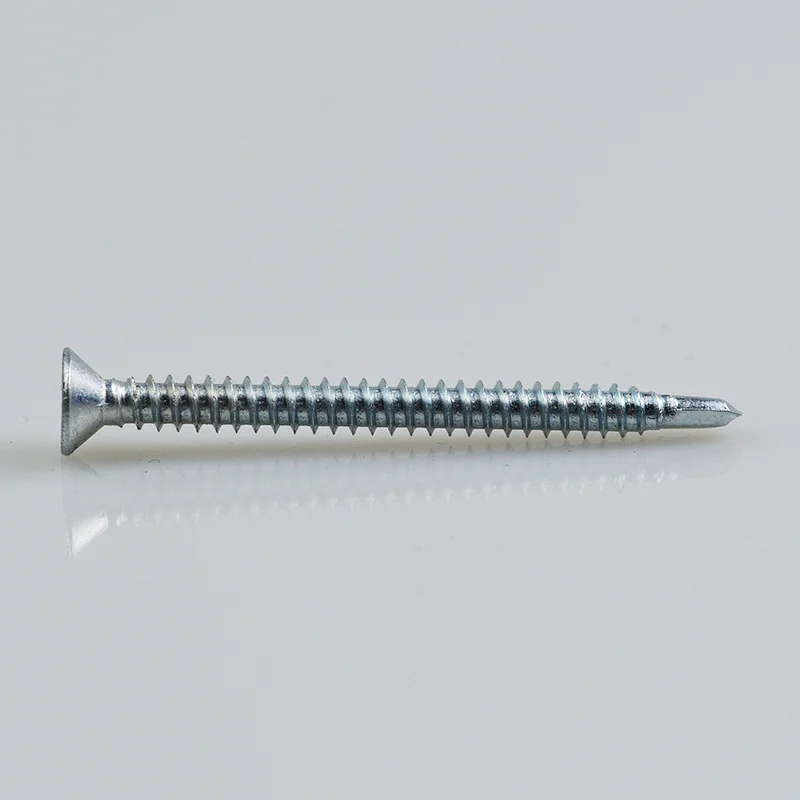
The Difference Between Self Tapping Screws And Self Drilling Screws is mainly about how the screw enters the material. Self tapping screws form or cut threads in a prepared hole, while self drilling screws include a drill point that can create the hole and threads in one operation, depending on the material and application.
For sourcing, compare the base material, point type, thread design, head style, finish, size range, and packaging needs. These details help a supplier confirm suitable options and provide a faster, more accurate quotation.
Start by defining the replacement purpose. Share the current screw size, material, finish, head type, drive type, point style, and application surface. If you are replacing an existing product for a private-label range, provide photos, samples, drawings, or packaging references where available.
When comparing self tapping and self drilling options, focus on installation conditions. Note whether a pilot hole is used, what material the screw enters, whether speed or holding performance is more important, and whether the screw must match an existing retail or industrial pack.
Prepare quotation details before contacting suppliers. Include estimated order quantity, target packaging, labeling needs, destination, preferred trade terms, sample requirements, and expected lead-time questions. This reduces back-and-forth and helps suppliers respond with practical options.
For supplier comparison, look at how clearly each response addresses your application, custom options, bulk order preparation, and specification checks. Fast communication is useful, but the best shortlist should also confirm the technical details needed for consistent replacement sourcing.