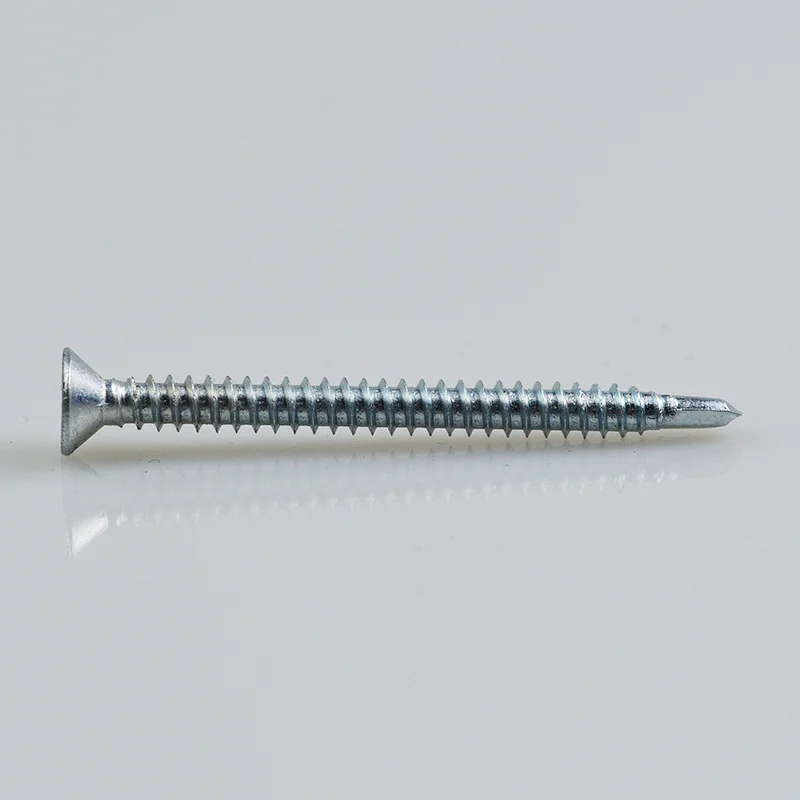
The Difference Between Wood and Metal Drill Bits is mainly in application design. Wood drill bits are typically shaped to start cleanly in timber or panel materials and remove chips efficiently. Metal drill bits are generally designed for harder surfaces, heat control, and stable cutting in steel, aluminum, or similar materials.
For B2B sourcing, the practical difference is how you verify fit. Ask for material, coating or finish, size range, point style, tolerance details, packaging, and inspection documents so the supplier can match the bit to your product line and end-use requirements.
Begin with the application environment. Tell the supplier whether the drill bits will be used for wood, metal, mixed material kits, assembly work, resale packs, or support tools for fastener products. This helps avoid selecting only by appearance or diameter.
For quality review, request specification sheets, material details, surface treatment information, sample availability, and inspection points. Product development teams should also check labeling, packaging consistency, batch identification, and whether the supplier can document key measurements before bulk production.
When preparing an RFQ, include target sizes, expected order quantity, packaging format, destination, timeline, and any custom branding needs. If the project is still under development, share drawings, photos, sample references, or target retail and industrial use cases.
Compare supplier replies by how clearly they answer technical and after-sales questions. A useful response should confirm application fit, explain available options, note limitations, and provide a path for samples, inspection, and bulk order review.