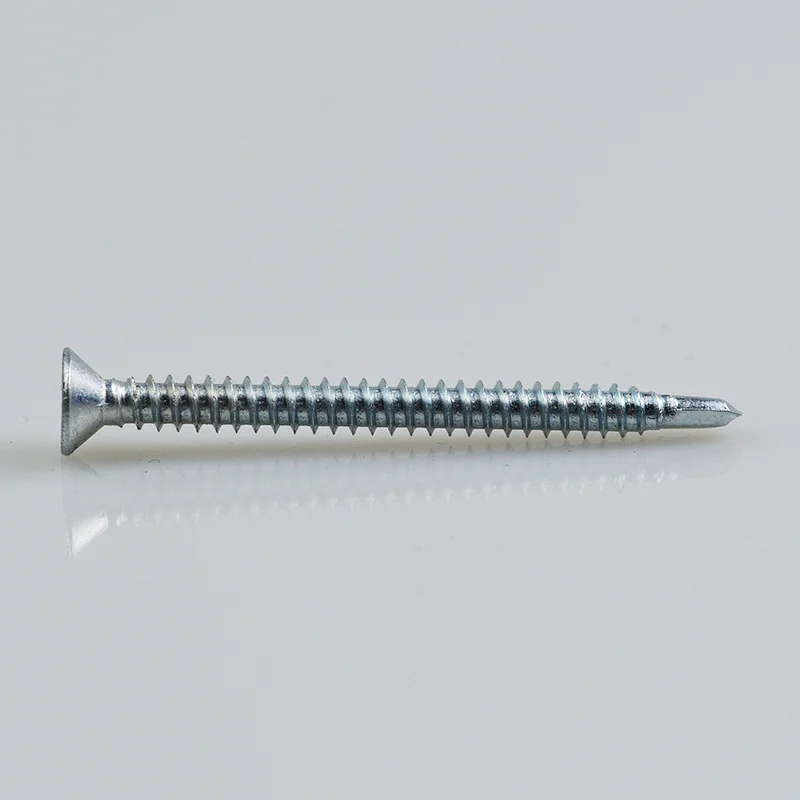
A Drill Bit For Wood Holes should be selected by matching the bit style, diameter, length, material, and shank type to the intended wood application. For B2B purchasing, the best starting point is not only price, but whether the supplier can confirm the right specification for your usage.
When preparing an inquiry, share target hole size, wood material, sample needs, quantity range, packaging requirements, and export destination. This helps the supplier provide a clearer quotation and makes it easier to compare responses from different factories.
Begin with the application. Confirm whether the drill bit will be used for softwood, hardwood, panels, furniture production, installation work, or general workshop use. Different hole requirements may affect the suitable cutting design, diameter range, working length, and durability expectations.
For sample approval, prepare a short specification sheet before contacting suppliers. Include size requirements, preferred material, finish, shank type, packaging style, labeling needs, and any reference sample or drawing. If customization is needed, state which details are fixed and which can be adjusted.
When comparing suppliers, review how clearly they answer technical questions. A useful reply should confirm available specifications, sample arrangement, bulk order lead time, inspection approach, packing method, and after-sales communication process. This is especially important when preparing an RFQ for repeat wholesale purchasing.
Before placing a bulk order, align on sample confirmation, approved packaging, export carton details, order quantity, delivery schedule, and documentation needs. Clear communication at this stage can reduce misunderstandings between sample approval and mass production.