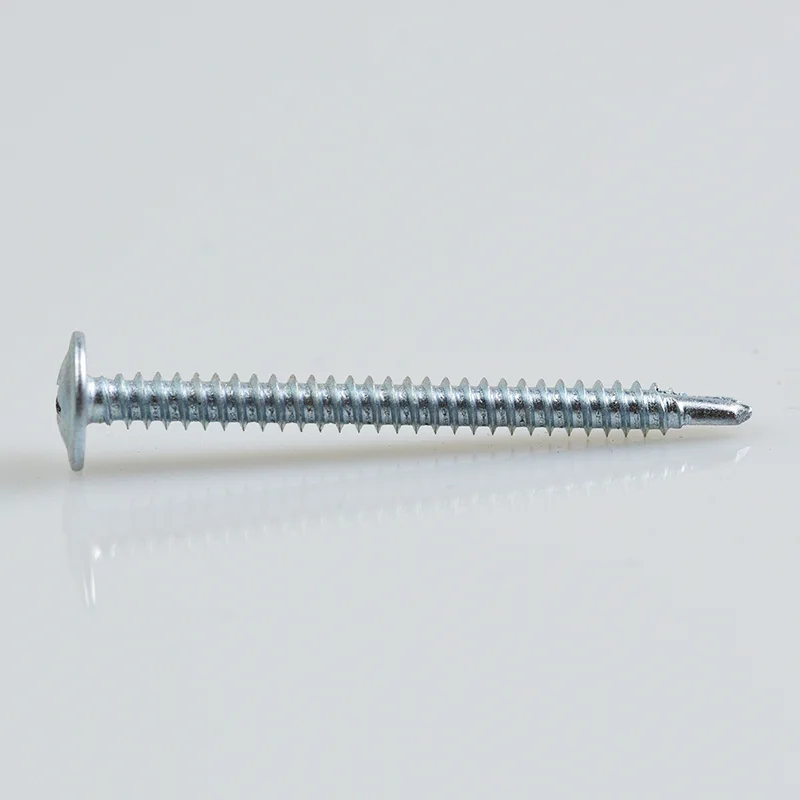
A Drill Bit To Make Hole In Wood is selected according to the wood material, required hole size, drilling depth, tool compatibility, and expected finish. For B2B sourcing, the RFQ should explain the application instead of only asking for a price.
Before ordering in bulk, confirm specifications, sample availability, packaging needs, lead-time expectations, and after-sales communication. These details help the supplier recommend a suitable option and reduce back-and-forth during export order preparation.
Start by describing where the Drill Bit To Make Hole In Wood will be used, such as furniture production, timber processing, assembly work, or installation projects. Include the wood type, hole diameter, drilling depth, and whether the buyer needs clean entry, fast drilling, or repeated use in production.
For RFQ preparation, list the required sizes, quantity range, packaging method, destination port or country, and target delivery schedule. If your team is comparing several options, ask whether samples, drawings, or specification sheets can be provided before confirming a bulk order.
Application matching is important when different materials, tools, or working conditions are involved. Share photos, existing product references, or usage notes so the supplier can check whether standard items are enough or whether custom size, finish, shank type, or packaging should be discussed.
When reviewing supplier replies, look beyond unit price. Check whether the response answers installation, usage, lead-time, and after-sales questions clearly. Good communication at the inquiry stage can help your purchasing team shortlist related products and prepare more accurate order documents.