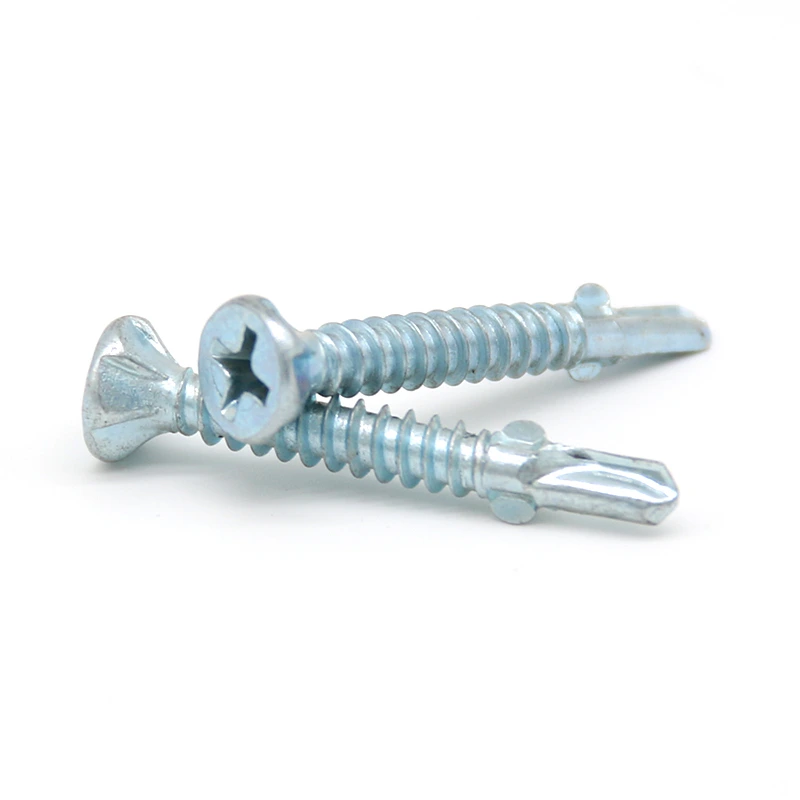
Drill Tools for Wood are best sourced by matching the tool type, working material, size range, surface requirements, and intended use case. For B2B buyers, the right choice depends on application fit as much as price, especially when products will support a new product line.
Before requesting a quote, prepare drawings, sample references, quality checkpoints, packaging needs, target quantity, and delivery expectations. This gives the supplier enough context to confirm specifications, discuss custom options, and provide useful documentation for review.
Begin with the use environment. Define the wood type, drilling depth, hole size, expected finish quality, and whether the tool will be sold alone, packed in a kit, or paired with related fasteners or accessories. These details help narrow the product range quickly.
For quality review, ask about key inspection points such as dimensions, edge condition, coating or finish, packaging condition, and batch consistency. If your team requires documentation, mention it early so the supplier can confirm what records, photos, or sample checks may be available.
When preparing an RFQ, include order quantity ranges, destination, required packaging format, labeling needs, and any custom design or branding requests. If your project is still in development, explain which specifications are fixed and which are open to supplier recommendations.
Compare supplier responses by how clearly they address your application, not only by unit price. Useful communication should include specification confirmation, sample or bulk order steps, after-sales contact method, and practical feedback on whether the requested Drill Tools for Wood fit the intended project.