Hex Screws for Fastening Applications | Hebei Wotu Fastener Manufacturing Co., Ltd.

Hex screws for fastening applications

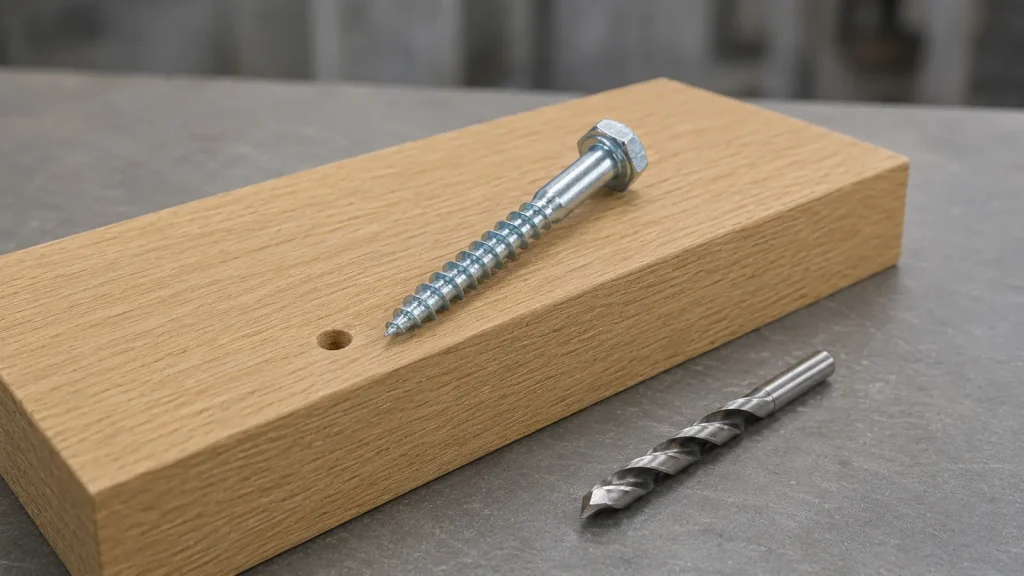
A hex screw uses a six-sided head or drive to give a wrench or socket positive access during assembly. The right choice depends on the joint: metal-to-metal fastening may need a machine-thread screw, timber may need a wood screw, and thin sheet or panels may call for a self-drilling point.

Before ordering, define the mating materials, required thread, head style, screw length, corrosion exposure and installation tool. These details affect holding power, access in the joint and the risk of damaging the screw or workpiece.

Related Products

Dacromet Hex Head Self-Drilling Screw

Dacromet Hex Head Self-Drilling Screw

Brand: Hengzuan Surface: Dacromet anti-corrosion coating Specifications: in stock ST5.5/ST6.3 mainstream caliber, rod length 50mm~150mm, extended full range of specifications, supports nonstandard extra long customized, suitable for drilling steel sheet thickness 2~6mm Packaging: 25kg export cartons, full pallets wrapped with film, supports neutral export packaging, private-label customization

Read More
Painted Hex Head Self-Drilling Screw

Painted Hex Head Self-Drilling Screw

Brand: Hengzuan Surface: screw color zinc plated + hex head outdoor paint Specifications: ST5.5, ST6.3, rod length 25mm~120mm in stock, supports nonstandard customization, suitable for drilling steel sheets 2~5mm Packaging: 25kg cartons, whole wooden pallets

Read More
Color Zinc Plated Hex Flange Wood Screw With Washer

Color Zinc Plated Hex Flange Wood Screw With Washer

Brand: Hengzuan Surface: color zinc plated, can be customizedblue-white zinc plated Specifications: in stock 4.8/5.5 common wire diameter, rod length 16~125mm full range of specifications, supports nonstandard customized Packaging: 25kg cartons, whole wooden pallets, support neutral packaging, private-label customization

Read More
Chinese-standard Color Nylon Head Hex Self-Drilling Screw

Chinese-standard Color Nylon Head Hex Self-Drilling Screw

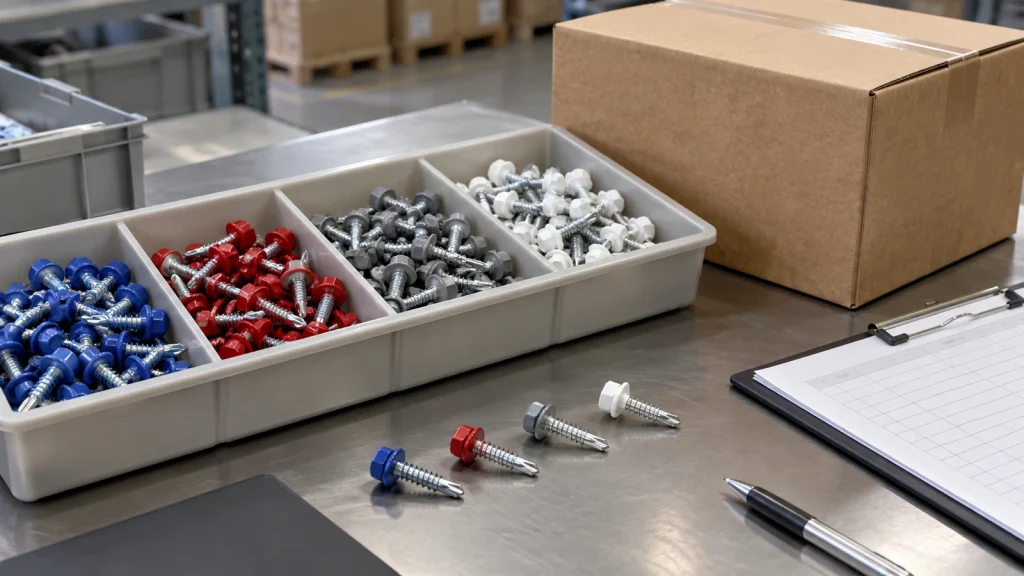
Brand: Hengzuan Surface: screw color zinc plated, head color nylon protective cap, multiple colors available Specifications: Chinese national standard ST5.5, ST6.3 mainstream caliber, rod length 25mm~125mm full range of specifications in stock, supports nonstandard length customization, suitable for drilling steel sheet thickness 2~6mm Packaging: 25kg cartons, full pallets packed on wooden pallets, support neutral packaging, private-label customization

Read More
Hex Head No. 5 Point Self-Drilling Screw

Hex Head No. 5 Point Self-Drilling Screw

Brand: Wotu Surface: blue and white zinc plated, customized color zinc plated, Dacromet anti-corrosion coating available Specifications: ST5.5, ST6.3 mainstream specifications, rod length 20mm~125mm, full size range in stock, support nonstandard customization, drilling to adapt to steel sheet 2-6mm Packaging: 25kg cartons, whole wooden pallets

Read More
Hexagonal Wood Screws

Hexagonal Wood Screws

Brand: Wotu Surface: blue and white zinc plated Specifications: Chinese national standard 6#/8#/10#/12#/16#/20#, rod length 35mm~250mm full range of specifications in stock, supports nonstandard length customization Packaging: 25kg cartons, full pallets packed on wooden pallets, support neutral packaging, private-label customization

Read More

Match the hex screw to the joint

Selection criteria

Compare hex screws by application first, then by head and drive access, thread and point style, dimensions, material, coating, washer compatibility and required documentation. A drawing or sample is useful when the head profile, thread engagement or finish must match an existing assembly.

Criterion What To Check Why It Matters Buyer Tip
Head style and driver fit Confirm whether the hex screw uses an external hex head, hex washer head, or an internal hex socket, and match it to the installation tool. The head style affects torque transfer, tool access, bearing area, and how easily installers can drive or remove the screw without damaging the head. What tool will be used on site, and is there enough clearance around the screw head for that tool?
Thread type for the base material Match the thread form to the material being fastened, such as wood, sheet metal, steel sections, or pre-tapped holes. A thread that works in one material may strip, loosen, or fail to bite in another. Self-drilling, self-tapping, wood, and machine screw threads serve different fastening jobs. What exact materials and thicknesses will the screw pass through and clamp together?
Point type and hole preparation Specify whether the screw needs a self-drilling point, sharp point, blunt end, or use with a pre-drilled or tapped hole. The point determines how the screw starts, whether drilling is needed, and how much installation time or tool load the job requires. Will installers drill pilot holes first, or should the screw create its own hole during installation?
Material and surface finish Ask for the base material and coating or finish suited to the service environment, especially for outdoor, humid, or contact-with-metal use. Corrosion resistance, appearance, and compatibility with connected materials depend on the material and finish, not just the screw size. Where will the hex screw be used: indoors, outdoors, exposed to moisture, or in contact with treated wood or dissimilar metals?
Dimensions that control fit and clamping Freeze the diameter, length, thread length, head dimensions, washer requirement, and any standard to be followed before production or ordering. Small changes in length, thread coverage, or head size can affect clamp load, protrusion, sealing, and whether the screw fits the existing hole or fixture. Can you provide a drawing, sample, or part number showing the required size and any tolerance-critical areas?

Specify the head, thread and finish before ordering

The main distinction is between a hex-head screw and a socket-head screw. A hex-head screw is tightened around the outside of its head with a wrench or socket, while a socket-head screw is tightened through an internal drive. External hex heads suit applications with open tool access; socket heads can work better where the joint has limited side clearance.

Thread and point style matter just as much. A self-drilling screw can form its own hole in suitable sheet materials, while a conventional machine, wood or tapping screw normally depends on a prepared hole or a different installation method. Choosing the wrong type can lead to poor engagement, excessive installation torque or damage to the assembly.

Match the screw to the materials. Identify whether the fastener will join steel, aluminium, timber, plastic or a mixed-material assembly. Select the thread form and point for that material rather than treating every hex screw as interchangeable. For timber, confirm the head and thread are intended for wood; for sheet metal, check whether a self-drilling point is actually suitable.

Fix the head and drive before comparing prices. Decide whether the joint can accept a socket or wrench around the head, and check clearance for installation and later maintenance. A flanged head may spread contact over a wider area, while a smaller head or internal drive may suit a recessed joint. Confirm the required washer arrangement instead of assuming the screw head alone will provide the needed bearing surface.

Choose material and finish for the environment. Consider moisture, outdoor exposure, chemicals, temperature and contact with dissimilar metals. A coating may improve corrosion resistance but can change appearance, friction or compatibility with the mating material. Ask for the applicable material, finish and testing information rather than accepting a general description such as “rust resistant.”

Send a clear specification before requesting a quotation. Include the application, mating materials, head and drive type, thread description, length, finish, quantity, packaging needs and any drawing or reference sample. If the screw will be used in a self-drilling application, include the sheet or panel type and installation method. The relevant enquiry can also distinguish requirements for a Dacromet hex-head self-drilling screw, as outlined in this RFQ guide.

Criteria Importance Description Example Options
Joint material and thread form Critical because incorrect thread engagement can reduce holding power or damage the mating material. Match the thread to steel, aluminium, timber, plastic or a mixed-material joint. Confirm whether the hole is tapped, prepared or formed during installation. A machine-thread option for a tapped metal hole is a different choice from a wood-thread screw for a timber connection.
External hex head versus socket head Important where tool access, maintenance space and head clearance affect installation. An external hex head accepts a wrench or socket around the head. A socket head uses an internal drive and may suit a recessed or narrow joint, but the required tool and drive engagement must be available. Choose the head style based on whether the installer can approach the fastener from the side or only along the screw axis.
Self-drilling point versus conventional tip Critical for sheet and panel work because the point determines whether a separate pilot hole is needed and how the material is entered. A self-drilling point may suit compatible thin sheet or panels, while a conventional screw may require a prepared hole or a different installation process. Verify the material and thickness range rather than assuming every pointed screw drills its own hole. A sheet-metal enclosure may call for a suitable self-drilling point; a tapped bracket may instead require a conventional machine-thread screw.
Material and corrosion-protection finish Important when the joint faces moisture, chemicals, outdoor exposure or dissimilar-metal contact. Compare the screw material and finish with the service environment and the mating materials. A coating can affect appearance, friction and compatibility, so request the applicable finish information. An indoor dry assembly and an exposed exterior joint may require different finish considerations even when their dimensions are similar.
Dimensions, bearing surface and washer fit Critical for seating, clearance and load transfer in the completed joint. Confirm diameter, length, head profile, thread engagement and the available bearing area. Check whether the head is intended to work with a washer and whether the assembled fastener clears nearby parts. A flanged head or a separate washer may be considered where a narrow head would not provide the required contact area.

Product Selection

Related Options

For a sheet-metal enclosure, the priority may be a compatible self-drilling point, accessible hex head and finish suited to the exposure. For a timber connection, thread geometry and head seating matter more. Treat each option as an application-specific choice rather than selecting a screw solely because its head is hexagonal.

Blog Articles / Reviews

What Should an RFQ Include When Sourcing Dacromet Hex Head Self-Drilling Screw?

What Should an RFQ Include When Sourcing Dacromet Hex Head Self-Drilling Screw?

When sourcing dacromet hex head self drilling screw, a complete RFQ should define the application, screw configuration, coating requirement, dimensions, and supplier confirmation requirements. Buyers often receive different quotations because suppliers may interpret coating, size, drilling capability, or packaging scope differently. Before preparing a project inquiry, buyers can review the available fastener product categories to […]

Which Hexagonal Wood Screw Specifications Should Buyers Freeze Before Production?

Which Hexagonal Wood Screw Specifications Should Buyers Freeze Before Production?

A hexagonal wood screw order should not be released from a gauge number and length alone. Before production, the buyer and supplier need one approved specification that fixes the screw diameter, length basis, thread geometry, point, hex-head dimensions, material, finish, installation method, substrate and acceptance evidence. The pilot hole belongs in the application specification as […]

What Should Buyers Confirm When Ordering Color Nylon Head Hex Self-Drilling Screws?

What Should Buyers Confirm When Ordering Color Nylon Head Hex Self-Drilling Screws?

When ordering a chinese standard color nylon head hex self drilling screw, the RFQ should define more than a color name. Buyers should confirm the exact color reference, nylon head or cap configuration, base screw diameter and length, steel-sheet condition, metallic screw finish, visible-face requirement, color approval method, batch-consistency check and packaging or SKU separation. […]

The Concept of Hexagonal Self-Drilling Screws and High-Pressure Standard Parts

The Concept of Hexagonal Self-Drilling Screws and High-Pressure Standard Parts

Hexagonal self-drilling screws, manufactured by Hebei Wotu Fastener Manufacturing Co., Ltd., operate under a modern enterprise system and strictly manage according to the ISO9001:2015 quality system. The company uses “Wotu” as its registered trademark. The term “standard parts” in China is a shorthand for “standard fasteners,” a narrow definition. High- and medium-pressure standard parts refer […]

A manufacturer of hexagonal self-drilling screws discusses their performance standards.

A manufacturer of hexagonal self-drilling screws discusses their performance standards.

Hebei Wotu Fastener Manufacturing Co., Ltd., founded in the 1990s, is located in Yongnian District, Handan City, Hebei Province, known as the “Hometown of Fasteners.” 1. Core Hardness: Standard: HRC32-40. Our products are measured at HRC31.7-39.0. 2. Surface Hardness: Standard: HV600-700. Our products are measured at approximately HV620. 3. Hardened Layer: 4#-6#: 0.05-0.18mm; 8#-12#: 0.10-0.23mm; […]

Frequently Asked Questions

Can a hex-head screw join any two materials?

No. The thread and point must suit the materials being joined. A machine-thread screw may suit a tapped metal hole, while timber, thin sheet and mixed-material joints may require different thread forms or a self-drilling point.

When is a socket-head screw a better alternative?

A socket-head screw can be useful where the joint has limited side clearance because the tool engages inside the head. An external hex head is often more practical where a wrench or socket can approach from the side, so compare access before choosing the head style.

Does a six-sided head mean the screw is self-drilling?

No. The hexagon describes the head or drive shape, not the point or drilling function. Check separately whether the screw has a self-drilling point, a tapping point or a conventional tip intended for a prepared hole.

What should be confirmed before requesting a quotation?

State the mating materials, head and drive style, thread or point type, diameter and length, finish, quantity and packaging needs. A drawing, sample or installation description is useful when the screw must fit an existing assembly or work with a particular washer and tool.

How should the finish be selected for outdoor or damp use?

Consider moisture, chemicals, temperature and contact with dissimilar metals rather than relying on a general claim such as rust resistant. Ask which material and finish are available, whether the finish is compatible with the assembly, and what relevant documentation can be provided.

Leave Your Message

Please share the application and mating materials, the required head or drive, thread and size details, and the finish or quantity needed. A drawing or sample can also help confirm compatibility.