Hexagon Socket Screws | Hebei Wotu Fastener Manufacturing Co., Ltd.

Choose the Right Hexagon Socket Screw

Hexagon socket screws are chosen when the joint needs a clean head profile, strong tool engagement and reliable tightening in a confined space. The main purchase decision is not only the diameter and length; head style, strength grade, thread form, material and surface finish all affect assembly speed and service life.

For machinery, fixtures, furniture hardware and equipment housings, the right socket screw should match the mating thread, clearance around the head and the load on the joint. A small mismatch in drive size, head height or coating can create installation problems even when the nominal size looks correct.

Related Products

Hexagonal Wood Screws

Hexagonal Wood Screws

Brand: Wotu Surface: blue and white zinc plated Specifications: Chinese national standard 6#/8#/10#/12#/16#/20#, rod length 35mm~250mm full range of specifications in stock, supports nonstandard length customization Packaging: 25kg cartons, full pallets packed on wooden pallets, support neutral packaging, private-label customization

Read More
Dacromet Hex Head Self-Drilling Screw

Dacromet Hex Head Self-Drilling Screw

Brand: Hengzuan Surface: Dacromet anti-corrosion coating Specifications: in stock ST5.5/ST6.3 mainstream caliber, rod length 50mm~150mm, extended full range of specifications, supports nonstandard extra long customized, suitable for drilling steel sheet thickness 2~6mm Packaging: 25kg export cartons, full pallets wrapped with film, supports neutral export packaging, private-label customization

Read More
Wafer Head Self-Drilling Screw

Wafer Head Self-Drilling Screw

Brand: Hengzuan Surface: blue and white zinc plated, can be customized color zinc plated, black oxide plated Specifications: Comply with GB/T15856.2 Chinese national standard, in stock ST3.5/ST4.2/ST4.8/ST5.5 mainstream wire diameter, rod length 13mm~50mm full range of specifications, nonstandard length customization on demand, drilling applicable plate thickness 2~5mm Packaging: 25kg export cartons, full pallets wrapped with film, supports neutral export packaging, private-label customization

Read More
Hex Head No. 5 Point Self-Drilling Screw

Hex Head No. 5 Point Self-Drilling Screw

Brand: Wotu Surface: blue and white zinc plated, customized color zinc plated, Dacromet anti-corrosion coating available Specifications: ST5.5, ST6.3 mainstream specifications, rod length 20mm~125mm, full size range in stock, support nonstandard customization, drilling to adapt to steel sheet 2-6mm Packaging: 25kg cartons, whole wooden pallets

Read More

Select the right hexagon socket screw for the joint

Socket screw selection criteria

Relevant selection criteria for a hexagon socket screw include head type, thread size, length measurement method, socket drive size, material, grade, finish and the standard used on the drawing. If the part is non-standard, confirm tolerances and any inspection requirements before production discussion.

Criterion What To Check Why It Matters Buyer Tip
Head style and clearance around the socket Confirm whether the joint needs a socket head cap screw, low head, button head, or countersunk socket screw, and compare the head diameter and height against the available space. The head shape changes how the screw sits in the assembly, how much clamp area it provides, and whether tools can reach the socket without fouling nearby parts. Ask: Which head style matches the drawing, and is there enough tool clearance around the hex socket after assembly?
Thread size, pitch, and engaged length Match the screw diameter, thread pitch, and length to the mating thread or tapped hole, rather than selecting by overall length alone. A wrong pitch can damage the mating part, while too little thread engagement can reduce holding strength and too much length can bottom out in a blind hole. Ask: Is the mating thread metric or inch, coarse or fine, and what usable thread depth is available?
Material and strength grade Specify the required material and mechanical grade shown on the drawing or application requirement, and confirm it is suitable for the load and mating material. Hexagon socket screws are often used where higher tightening force or compact heads are needed, so strength grade and material compatibility affect joint reliability. Ask: What strength class or material is required, and will the screw be used with steel, aluminum, stainless parts, or another base material?
Surface finish and service environment Choose the coating or finish based on indoor use, moisture exposure, chemical contact, appearance needs, and compatibility with the assembled parts. A finish can improve corrosion resistance or appearance, but it may also affect fit, friction during tightening, and suitability with certain materials. Ask: Will the screw face humidity, outdoor exposure, cleaning chemicals, or a visible finished surface?
Socket fit and installation method Confirm the hex key size, socket depth, and whether the screw will be installed by hand tools, torque tools, or automated drivers. Poor socket engagement can lead to cam-out, rounded sockets, or inconsistent tightening, especially in repeated assembly work. Ask: What tool will install the screw, and is a torque value or assembly process already defined?

Key choices before confirming a socket screw order

The practical distinction is between socket head cap screws, button head socket screws, flat countersunk socket screws and set screws. A socket head cap screw gives a tall cylindrical head and strong wrench engagement, so it suits clamping joints where head height is acceptable. A button head gives a lower, rounded appearance but usually offers less wrench depth. A countersunk socket screw sits flush in a prepared countersink, which helps with surface clearance but requires accurate hole preparation.

This matters because the head style changes both installation and joint behavior. If the assembly has limited vertical clearance, a standard socket head may interfere. If the screw must carry higher tightening torque, a shallow decorative head may not be the best fit. If the surface must remain flat, the countersink angle and head diameter must be checked before production rather than adjusted after parts arrive.

Start with the joint, not the screw name. Confirm the mating material, internal thread type, through-hole or tapped-hole design, and whether the screw is mainly clamping, positioning or adjusting. A machine joint with repeated maintenance usually needs different priorities from a concealed furniture or enclosure screw.

Match the head and drive to the available tool access. Socket screws work well where an external wrench cannot fit around a hex head, but the hex socket still needs enough depth and clearance for the driver. Avoid selecting a low-profile head only for appearance if the installer needs higher tightening force or repeated removal.

Choose material and finish for the service environment. Carbon steel, alloy steel and stainless steel serve different needs for strength, corrosion resistance and cost. Plating or blackening may improve appearance or corrosion behavior, but coating thickness can affect thread fit, so confirm the finish before approving drawings or samples.

Before asking for a quotation, prepare the standard or drawing, diameter, pitch, length, head style, material, strength grade if required, surface finish and packaging preference. If the screw must fit an existing part, share the mating component details or a sample reference so the supplier can check head clearance, thread engagement and drive compatibility.

Criteria Importance Description Example Options
Head style Usually one of the first decisions because it affects clearance, appearance and tightening access. Socket head cap, button head, flat countersunk and set screw designs solve different assembly problems. The wrong head can interfere with nearby parts or fail to seat correctly. A machine fixture may use a socket head cap screw for clamping, while a visible cover may use a button head for a lower rounded profile.
Thread size and length Critical for fit and joint performance. Diameter, pitch and length must match the tapped hole or nut. Buyers should also confirm whether length is measured from under the head or from the top of a countersunk head. A countersunk screw is commonly measured differently from a standard socket head cap screw, so the drawing should remove any ambiguity.
Material and strength grade Important when the screw carries clamp load, sees repeated removal or works in a demanding environment. Carbon steel, alloy steel and stainless steel each involve trade-offs in strength, corrosion resistance, cost and installation behavior. The application should drive the choice rather than appearance alone. An indoor equipment housing may prioritize finish and appearance, while a loaded machine joint may prioritize a specified strength grade.
Surface finish Important for corrosion behavior, appearance and thread fit. Plating, blackening or other finishes can change the look and service suitability of the screw. Coating thickness can also matter in close-fitting threads or recessed holes. A plated screw may suit a visible assembly, but the buyer should confirm that the finish will not create fit issues in the mating thread.
Tool access and socket engagement Practical for production speed and maintenance. Socket screws are useful where an external wrench cannot fit, but the internal hex still needs enough driver clearance and depth. Low-profile heads may look better but can reduce tool engagement. A recessed assembly may need a long hex key or bit access path to be checked before the screw specification is finalized.

Blog Articles / Reviews

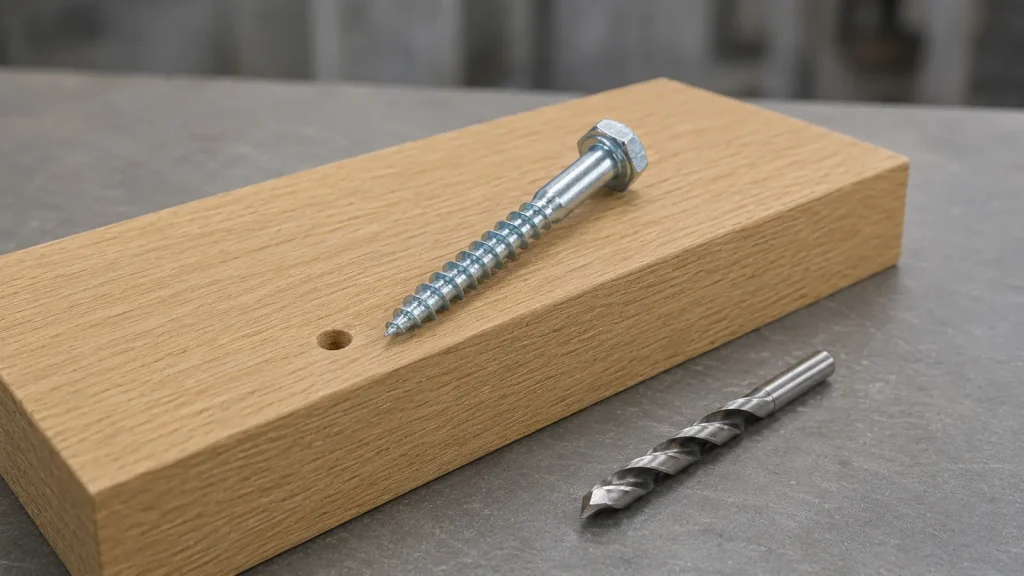
Which Hexagonal Wood Screw Specifications Should Buyers Freeze Before Production?

Which Hexagonal Wood Screw Specifications Should Buyers Freeze Before Production?

A hexagonal wood screw order should not be released from a gauge number and length alone. Before production, the buyer and supplier need one approved specification that fixes the screw diameter, length basis, thread geometry, point, hex-head dimensions, material, finish, installation method, substrate and acceptance evidence. The pilot hole belongs in the application specification as […]

The Concept of Hexagonal Self-Drilling Screws and High-Pressure Standard Parts

The Concept of Hexagonal Self-Drilling Screws and High-Pressure Standard Parts

Hexagonal self-drilling screws, manufactured by Hebei Wotu Fastener Manufacturing Co., Ltd., operate under a modern enterprise system and strictly manage according to the ISO9001:2015 quality system. The company uses “Wotu” as its registered trademark. The term “standard parts” in China is a shorthand for “standard fasteners,” a narrow definition. High- and medium-pressure standard parts refer […]

A manufacturer of hexagonal self-drilling screws discusses their performance standards.

A manufacturer of hexagonal self-drilling screws discusses their performance standards.

Hebei Wotu Fastener Manufacturing Co., Ltd., founded in the 1990s, is located in Yongnian District, Handan City, Hebei Province, known as the “Hometown of Fasteners.” 1. Core Hardness: Standard: HRC32-40. Our products are measured at HRC31.7-39.0. 2. Surface Hardness: Standard: HV600-700. Our products are measured at approximately HV620. 3. Hardened Layer: 4#-6#: 0.05-0.18mm; 8#-12#: 0.10-0.23mm; […]

What are the standard dimensions of a universal hexagonal self-drilling screw?

What are the standard dimensions of a universal hexagonal self-drilling screw?

Self-drilling screws, also known as “drill screws,” “self-drilling screws,” or “dovetail screws,” are classified into different types based on their application, material, and shape. A standard 6mm self-drilling screw has a flatness of 9.38mm or 9.8mm. A hexagonal self-drilling screw with dimensions 4.5*14*25 means the screw size is 4.5mm, the screw length is 25mm, and […]

How to Specify Countersunk Head Cross Thick Thread Fiberboard Screws for Furniture Assembly Projects

How to Specify Countersunk Head Cross Thick Thread Fiberboard Screws for Furniture Assembly Projects

Fiberboard screws are selected based on more than screw size alone. For furniture assembly and board-based applications, buyers need to match the screw structure with the characteristics of fiberboard, MDF, and similar engineered wood materials. A suitable specification should consider thread design, head style, screw length, diameter, installation method, and application requirements. For buyers sourcing […]

Frequently Asked Questions

Which head style should I choose if the screw must sit flush with the surface?

Use a countersunk socket screw only if the part has a matching countersink angle and enough material thickness around the hole. A flush head depends on the prepared hole as much as the screw, so confirm the head diameter, angle and length measurement method before ordering.

Is a socket screw always stronger than a hex head screw?

Not automatically. Strength depends on the material, grade, thread size and engaged thread length, while the head and drive style mainly affect access and tightening. A socket screw is often chosen for compact tool access, but the joint still needs the correct strength class and assembly design.

What is the trade-off between button head and socket head cap screws?

A button head gives a lower, smoother appearance and can reduce snagging, but the socket depth and tightening capacity are usually more limited. A socket head cap screw has a taller head and stronger tool engagement, which is better for many clamping applications where clearance allows it.

What information should be fixed before production?

Confirm the standard or drawing, diameter, pitch, length, head type, socket size, material, strength grade if needed, finish and packaging. If the screw fits an existing tapped hole or recessed seat, provide the mating part details so the head clearance and thread engagement can be checked.

Can the same screw be used in carbon steel, stainless steel and aluminum assemblies?

The same size may physically fit, but the best material and finish can change with the mating material and environment. Consider corrosion exposure, risk of galling, required clamp load and thread strength before assuming one specification will work across different assemblies.

Leave Your Message

Send the screw diameter, pitch and length, plus the head style, material or finish required. If the screw must match an existing assembly, include the drawing, standard or sample details.