| Socket drive size and recess fit |
Match the hex socket size to the specified screw diameter and confirm it fits the intended hex key or bit without looseness. |
A poor recess fit can round out during installation, especially where higher torque is needed or access is limited. |
Ask: What hex socket size and recess tolerance will be supplied for each screw size? |
| Thread type for the base material |
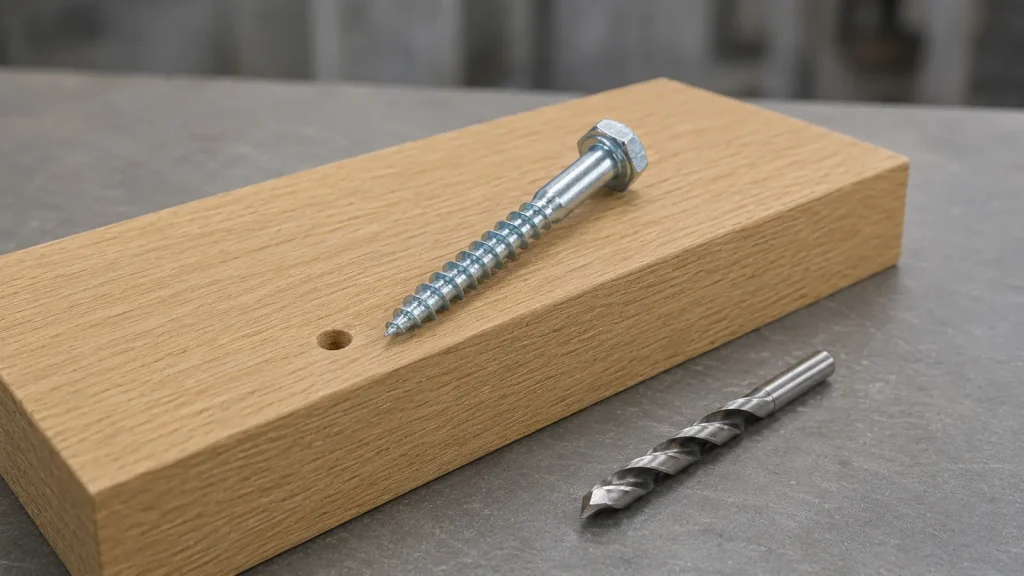
Confirm whether the screw is for metal, wood, plastic, or another substrate, then compare thread pitch, point style, and engagement length. |
The wrong thread can strip the material, reduce pull-out strength, or make installation slower and less consistent. |
Ask: What material and thickness range is this hex socket screw intended to fasten? |
| Head style and clearance |
Compare socket head, button head, countersunk, or flange-style options against the available space and finished surface requirement. |
Head geometry affects tool access, clamp area, surface height, and whether the screw sits flush or proud. |
Ask: Should the installed screw be flush, low-profile, or provide a larger bearing surface? |
| Material and surface finish |
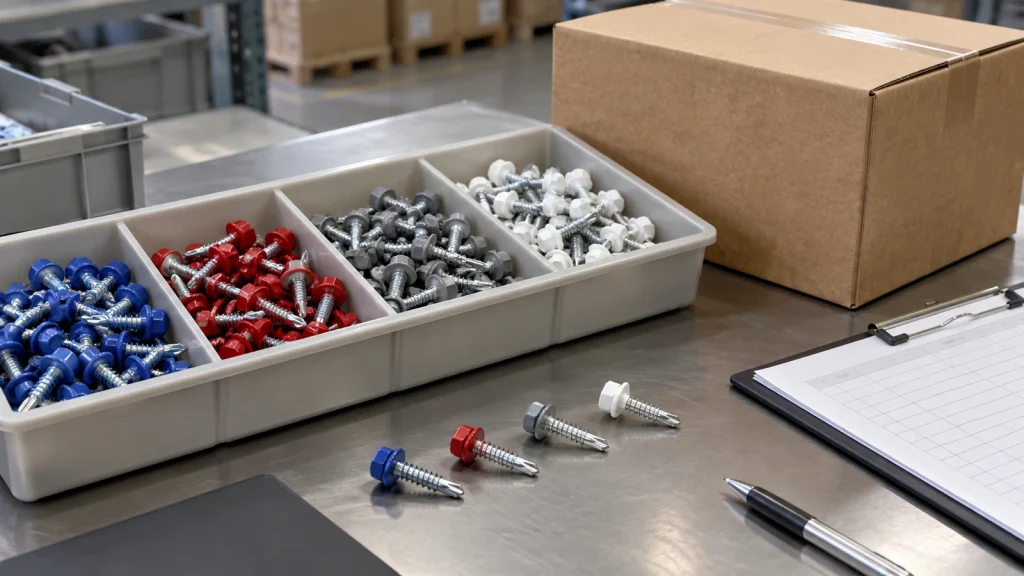
Confirm the base material and coating or finish required for the application environment, such as indoor use, outdoor exposure, or contact with dissimilar metals. |
Material and finish affect corrosion resistance, appearance, and compatibility with the parts being assembled. |
Ask: What finish is recommended for the operating environment, and can a sample be checked before production? |
| Length, thread coverage, and clamp stack |
Measure the total stack thickness and confirm whether the screw needs full thread, partial thread, or a specific unthreaded shank length. |
Incorrect length can bottom out, fail to engage enough thread, or clamp the joint unevenly. |
Ask: What screw length and thread length should be used for the exact parts being joined? |