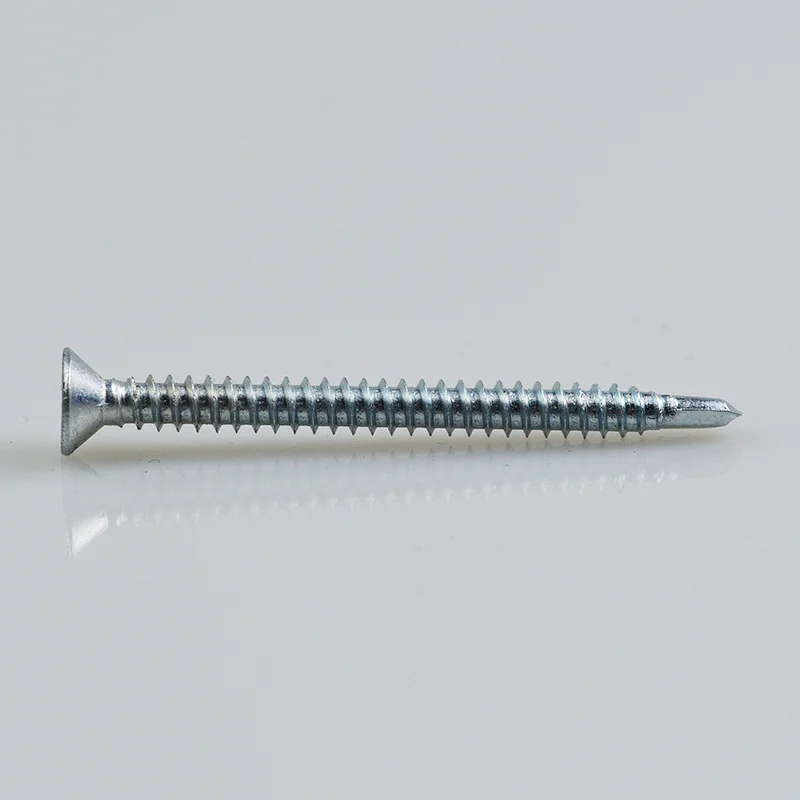
Self Tapping Screws For Grounding are selected for projects where fastening and grounding requirements must be considered together. Buyers should confirm size, material, thread form, finish, installation surface, and any electrical or assembly requirements relevant to the final product.
For sourcing, the best next step is to share drawings, samples, usage conditions, quantity range, and required inspection documents. This helps the supplier respond with suitable options rather than a general catalog only.
Start by defining the grounding application clearly. Product development teams should note the base material, installation method, torque expectations, coating requirements, and whether the screw must work with terminals, washers, brackets, or other connected parts.
Check quality inspection points before confirming a quotation. Useful review items include dimensions, thread consistency, surface finish, material grade, plating appearance, packaging condition, and sample approval process. If documentation is required, ask what inspection records or certificates can be provided for the order.
For custom or new product line projects, prepare drawings, reference samples, photos, target specifications, and expected order quantities. Clear RFQ details help reduce back-and-forth and make it easier to compare supplier responses.
When reviewing supplier communication, look for practical questions about application fit, tolerances, packaging, lead time, and after-sales handling. A reliable sourcing discussion should help your team confirm both product suitability and order execution details.