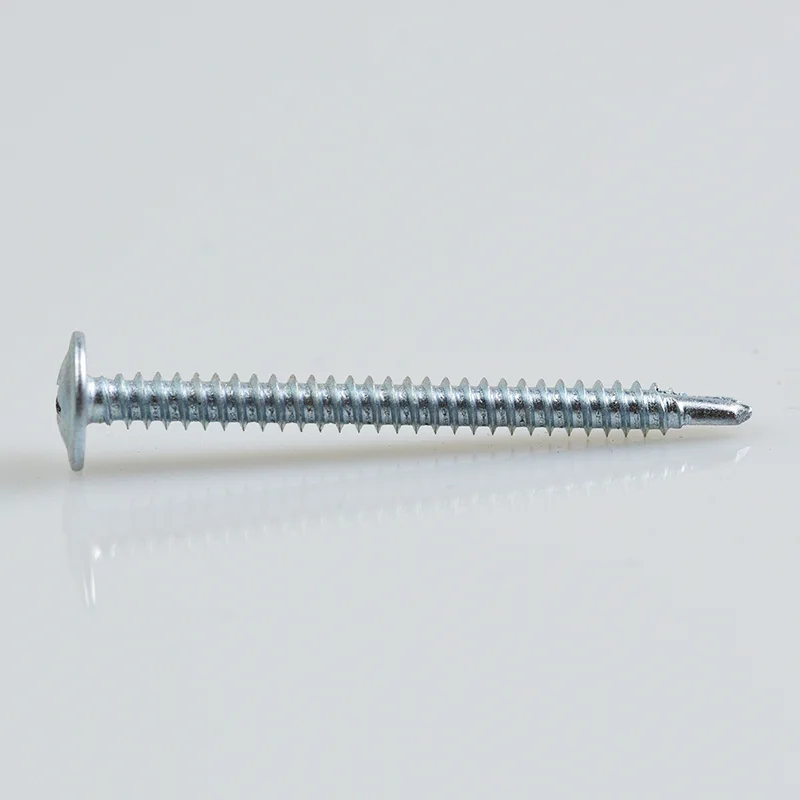
A Tool To Drill A Hole In Wood is selected according to the hole size, wood type, drilling depth, finish requirement, and the equipment used on site or in production. For B2B sourcing, the right choice also depends on how the item fits the full project specification.
Before contacting a supplier, prepare drawings, sample photos, quantity estimates, packaging requests, and any branding details. This helps the supplier confirm whether standard items are suitable or whether custom options should be discussed.
Start with the application details. Confirm the wood material, target hole diameter, drilling depth, expected finish quality, and whether the work is for assembly, installation, repair, or production. These points help prevent a general product match from becoming a poor project fit.
Next, prepare a specification checklist. Include size range, material preference, surface treatment, compatible tools or machines, usage environment, and any related fasteners or accessories. If brand customization is required, note logo, label, color, carton, or instruction requirements early.
For bulk order preparation, share estimated quantity, destination, delivery schedule, sample approval process, and inspection expectations. This allows the supplier to answer lead-time and packaging questions with fewer assumptions.
When comparing suppliers, look beyond the first price. A useful response should address application fit, custom options, packaging requirements, and follow-up questions. Consistent communication reduces risk when the project moves from inquiry to sample, order, and repeat purchase.