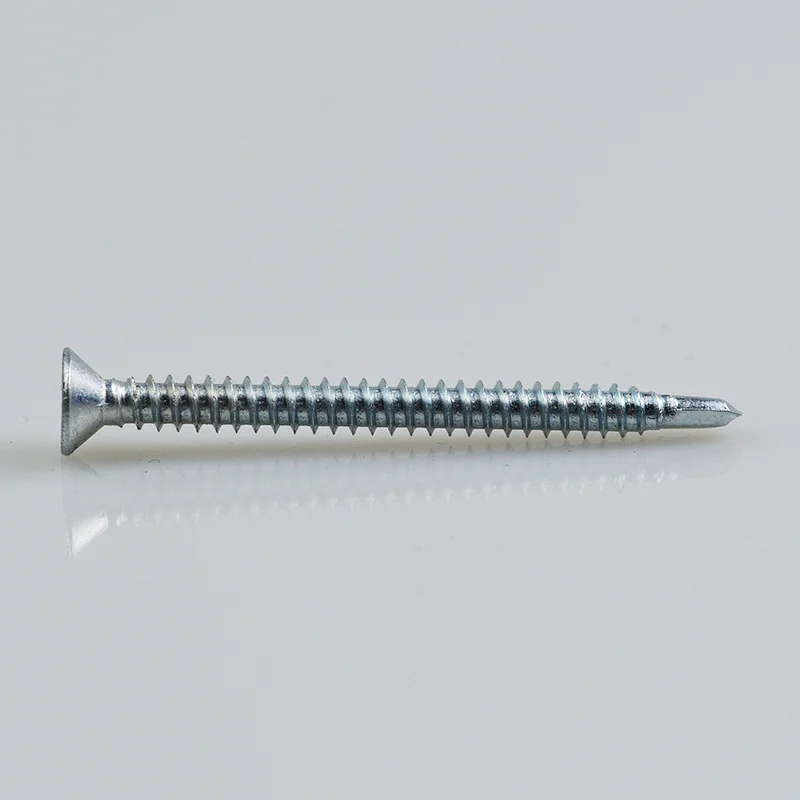
A Twist Drill Bit For Wood is selected by matching the bit material, diameter, length, shank configuration, and drilling use with the wood type and production process. For B2B sourcing, the best starting point is a clear specification sheet.
Buyers should ask about available sizes, sample options, packaging, inspection steps, export order details, and custom requirements. This helps the supplier respond with relevant options instead of a general catalog only.
Start with the working requirement. Confirm the wood material, hole diameter, drilling depth, machine type, and whether the order is for assembly, installation, repair, or resale. These details help determine the suitable Twist Drill Bit For Wood configuration.
Next, prepare a specification checklist. Include bit diameter, total length, working length, shank style, surface treatment if required, packaging format, label needs, and expected order volume. If you have drawings, photos, or current samples, share them with the inquiry.
For quality review, ask how dimensions are checked, how samples can be evaluated, and how batch consistency is managed. You can also ask what information is needed for custom sizing, private packaging, or export documentation.
When comparing suppliers, look beyond the unit price. Clear communication, practical technical feedback, and complete quotation details are important for avoiding mismatched material, size, or configuration in bulk orders.