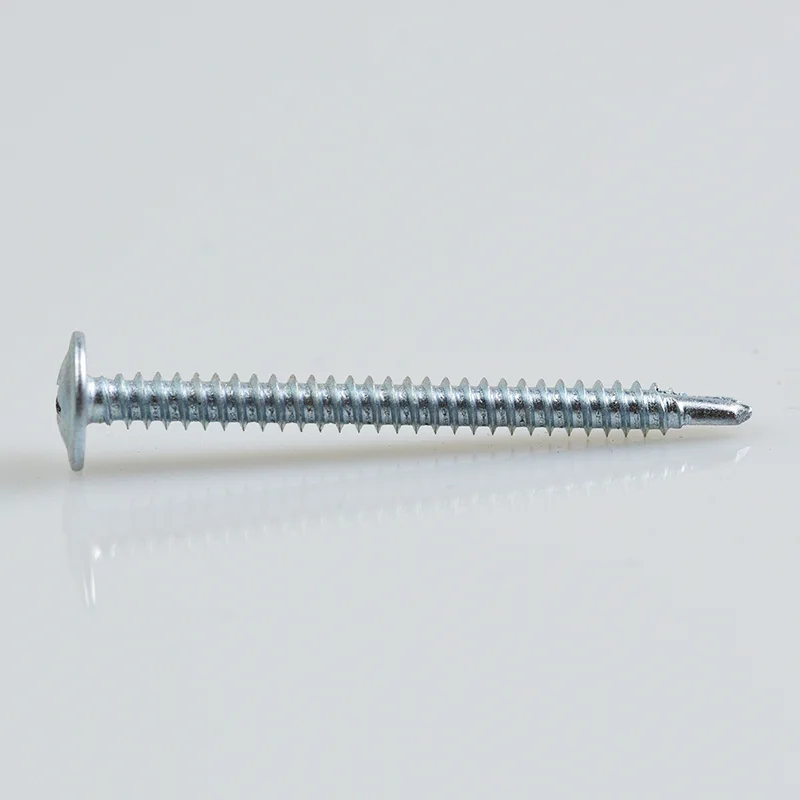
Wood vs Metal Drill Bits differ mainly by intended material, cutting geometry, and usage conditions. Wood drill bits are selected for clean entry, chip removal, and wood-specific hole quality, while metal drill bits are selected for hardness, heat resistance, and stable cutting on metal surfaces.
For B2B sourcing, the right choice depends on the workpiece, size range, material grade, coating, shank type, packaging, and sample requirements. A clear RFQ should explain the application and approval process so the supplier can recommend the correct specification.
Start by defining the material to be drilled, expected hole size, depth, tolerance needs, and whether the order is for resale, assembly, repair, or project use. This helps separate wood-focused products from metal-focused products and avoids comparing items that are not built for the same application.
When preparing a quotation request, include diameter range, length, shank style, surface finish or coating, packaging format, quantity range, destination, and any labeling requirements. If you are comparing suppliers, ask each one to respond against the same specification list so pricing and lead time can be reviewed fairly.
For a sample approval workflow, request confirmation on sample size, available specifications, inspection points, and whether the sample will match bulk order packaging or only product performance. Photos, drawings, existing sample references, or target market requirements can reduce repeated clarification.
During supplier comparison, pay attention to how clearly technical questions are answered. A useful supplier response should explain product fit, note specification limits, and confirm what can be customized before mass order planning begins.